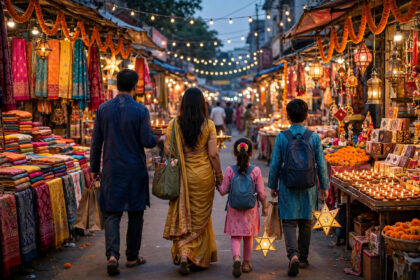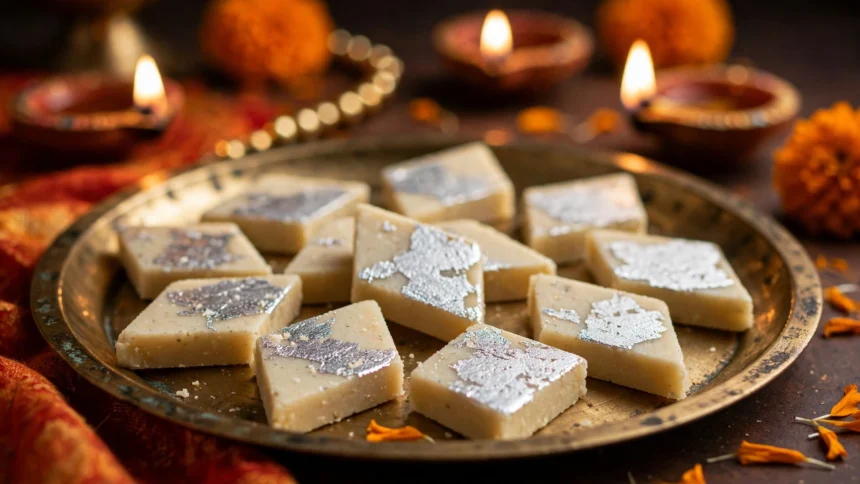
Diwali is here, and the mithai box looks a little different this year. The kaju katli is still there and the gulab jamuns have not gone anywhere, but read the label and you will spot the change: sugar free, no added sugar, high protein, date sweetened. India’s most traditional treat is getting a health makeover, and shoppers are buying into it in a big way.
It is not a small niche anymore: Haldiram’s, Bikanervala and Amul now keep a guilt free range next to the regular counter. Online, the shift is even clearer: jaggery and date based mithais accounted for close to half of all festive mithai sales on Amazon India this season.
The numbers behind the healthy mithai rush
Demand for healthier sweets is growing 20 percent every year, according to Firoz H Naqvi, director general of the Federation of Sweets and Namkeen Manufacturers. That is a steady climb, not a one season blip, and it has now reached the biggest festival of the year.
Amul’s numbers tell the story best. Its mindful indulgence sweets portfolio, which includes Gur Kaju Katli, Dry Fruit Burfi, Sugar Free Peda and Sugar Free Gulab Jamun, grew 62 percent year on year this festive season. Its sugar free segment alone grew 80 percent, led by peda, gulab jamun and rasmalai. Amul’s protein ice cream sales rose 200 percent too, with volumes up more than five times over last year.
The online platforms are seeing the same rush. Healthier mithai sales grew 1.5 times on Amazon India during its Great Indian Festival, and Flipkart Minutes reported a threefold jump in orders for healthier snacks, sweets and ice creams compared with last festive season.
What is actually on the shelves this Diwali
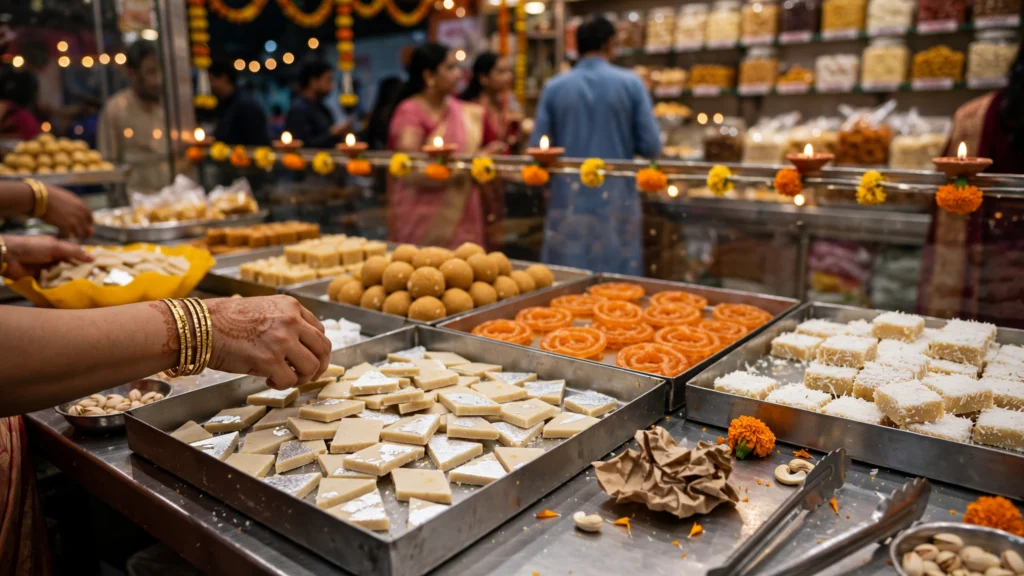
Walk into a sweet shop this week and the healthy shelf is hard to miss. Traditional recipes are being reworked: kaju katli in a high protein version, gulab jamun without added sugar, laddoos built around millets, dry fruits and dates. Packs now carry low sugar, no added sugar and high protein labels on the front.
New age brands are pushing the idea further. Origin Nutrition has introduced a high protein kaju katli, while Supr has launched protein mithai. Sweeteners like monk fruit and jaggery are replacing white sugar in many recipes. The idea is not to make sweets taste like health food, it is to keep the taste and cut the guilt.
Shoppers are asking sharper questions too. “People now ask how many calories a sweet has, what kind of sugar has been used and whether additional sugar or jaggery has been added,” Naqvi told The Economic Times. Calories and sweeteners are now part of the buying decision, not an afterthought.
Diwali parties are changing their menus too
The shift is not limited to the sweet box. Across Delhi, hosts aged 25 to 40 are swapping deep fried party snacks for protein rich dishes, salads and grilled chicken. Home chef platform COOX added a dedicated healthy mode feature on its app after demand for clean food rose. Only around 10 percent of customers currently opt for healthier party food, but the share is growing steadily.
The catch: healthy sweets cost more
There is one hurdle, and it is the price tag. Healthier products cost around 25 percent more than conventional alternatives, according to Suresh Goel, chief executive of Bikanervala. Better ingredients, from dry fruits and dates to protein isolates, simply cost more. Bikanervala, which has sold sugar free sweets for years, is now exploring a separate vertical for high protein sweets, energy bars and powders.
A protein Diwali could be around the corner
Industry watchers think this is only the beginning. Protein and fibre rich variants are the next big opportunity, and Naqvi believes the festival itself could soon be defined by them. “I think in the next two years, we will be celebrating a protein Diwali or a fibre Diwali,” he said.
The wider market agrees. Euromonitor International estimates that India’s weight management and wellbeing category will reach about Rs 94,524 million in value sales in 2026, while a NielsenIQ study found that one in five snacks in India now carries a health association. The Diwali sweet box is still full of the old favourites, but the fastest growing corner of it is the one with less sugar and more protein.
FAQs
What are sugar free sweets made with instead of sugar?
Most use jaggery, dates or natural sweeteners like monk fruit and stevia, which keep the taste close to the original.
Are protein mithais actually healthy?
They are a better choice than regular mithai because they add protein and cut refined sugar, but they are still calorie dense. Treat them as a smarter indulgence.
Which brands sell healthy Diwali sweets this year?
Haldiram’s, Bikanervala, Amul and Anand Sweets all have sugar free or mindful ranges this festive season. Origin Nutrition and Supr sell high protein kaju katli and protein mithai online.
How much more do healthy sweets cost?
Around 25 percent more than conventional sweets, according to Bikanervala, because dry fruits, dates and protein cost more than refined sugar.
Where can I buy sugar free mithai online?
Amazon India and Flipkart Minutes both stock sugar free, date sweetened and millet based mithais, with sales growing sharply this festive season on both platforms.
Happy Diwali. This year, the sweetest choice might just be the one with a little less sugar in it.