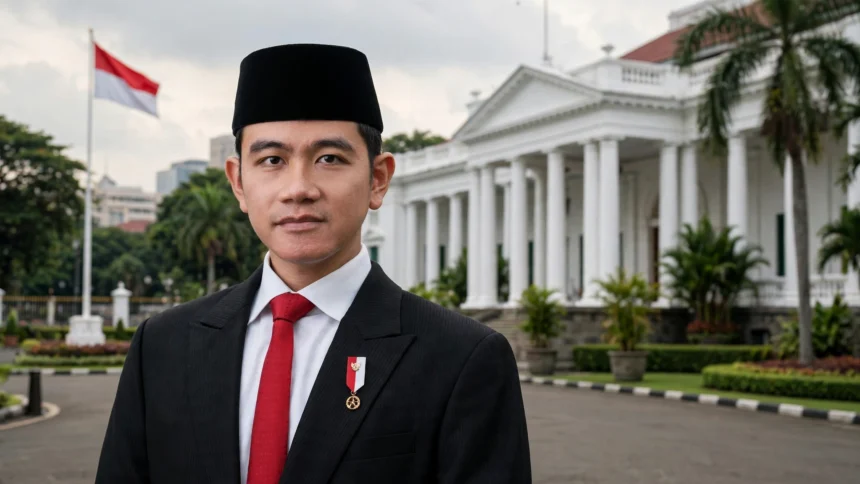
Indonesia’s Vice President Gibran Rakabuming Raka has resigned, his aide confirmed on Wednesday, November 11, ending a vice presidency dogged by controversy from the day it began. The 39-year-old, the eldest son of former president Joko Widodo, handed his resignation letter to President Prabowo Subianto earlier in the day, hours after 120 lawmakers from all eight parties in parliament filed a motion that set impeachment proceedings in motion.
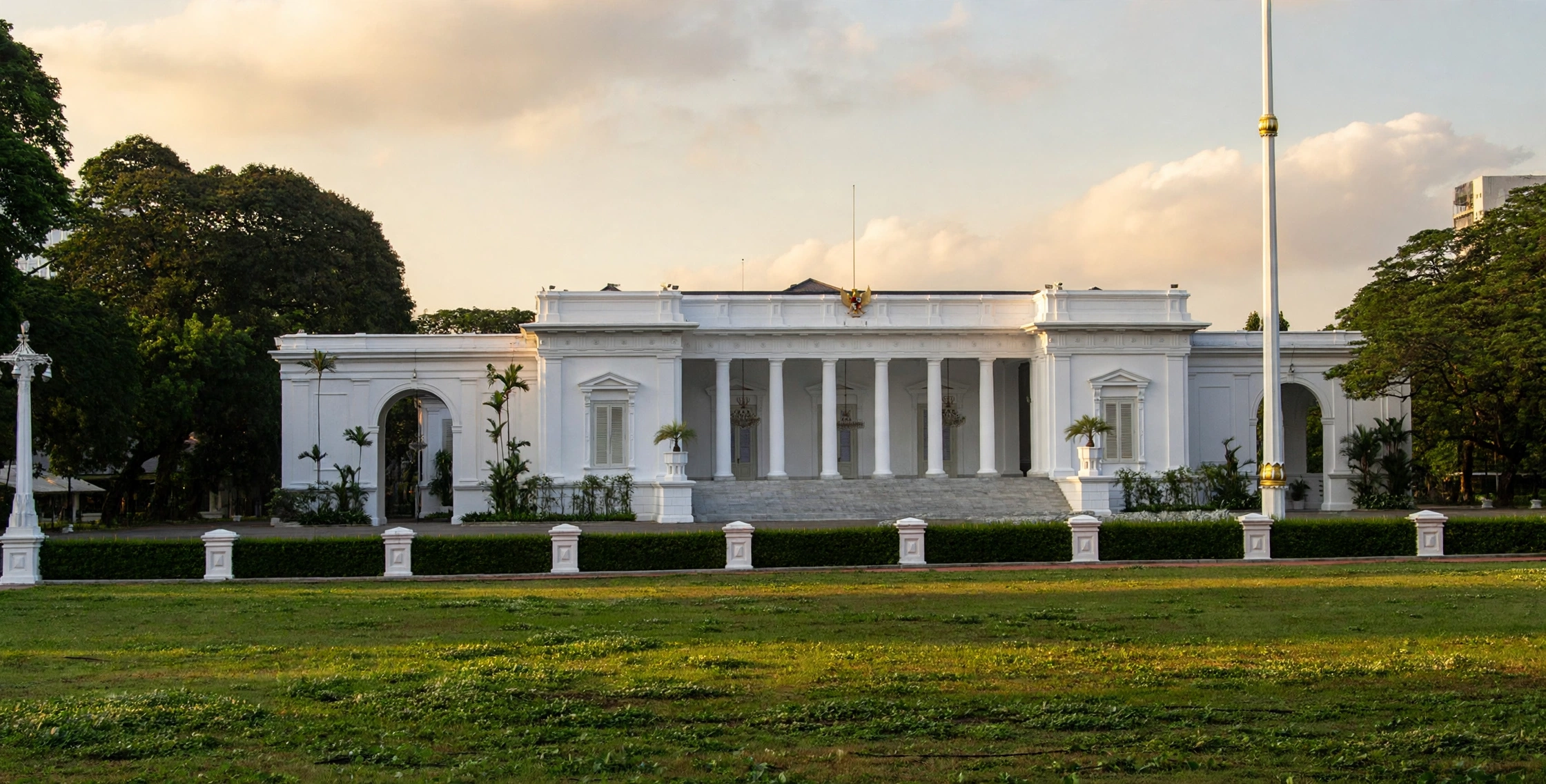
The resignation caps a rapid collapse. Just a day earlier, Gibran had met Prabowo for two and a half hours at the Presidential Palace in Jakarta, where, according to State Secretary Prasetyo Hadi, he told the president of his intention to step down. Later that same afternoon, he told reporters that Prabowo had advised him to keep fighting his case. By Wednesday, the fight was over.
How the day unfolded
The trigger came from parliament. On Wednesday morning, 120 lawmakers from all eight parties in the House of Representatives submitted a motion of opinion against Gibran, the first formal step towards impeachment. The motion was due to be approved at a plenary session on Thursday, but events moved faster than the timetable.
By Wednesday afternoon, Gibran’s aide Budi Arie Setiadi confirmed to Reuters and The Straits Times that the resignation letter had been submitted. Two sources in the parliamentary upper house told Reuters that Gibran will submit his letter to the chamber on Thursday morning. One caution remains: Gibran himself has not publicly confirmed the resignation, and it was not immediately clear whether it had been formally accepted.
The diploma dispute that brought him down
At the heart of the crisis was a single question: did Gibran hold the education credentials required to stand for vice president? The dispute centred on an overseas high-school equivalency certificate he had submitted when he ran for office in 2024.
On October 6 this year, Indonesia’s Constitutional Court found there was insufficient documentary evidence that his foreign schooling met the requirements for a high-school-equivalent diploma. The court rejected the petition against him for lack of legal standing, so it did not disqualify him, but its finding was damaging. Then, on October 30, the Supreme Court accepted an appeal and invalidated the equivalency certificate outright.
The legal challenges had been building for more than a year, including an earlier suit that was dismissed and a September 2026 petition asking the Constitutional Court to invalidate Gibran’s candidacy. Coordinating Minister for Law Yusril Ihza Mahendra later said there was no legal path left to pursue, since rulings from the Constitutional Court and the Supreme Court are final.
A candidacy questioned from the start
Gibran’s path to the vice presidency was controversial long before the diploma row. He was 36 when candidate registration opened in 2023, while election law required candidates to be at least 40. On October 16, 2023, the Constitutional Court ruled, by five votes to four, that candidates under 40 could run if they had previously been elected as a regional head. Gibran, elected mayor of Surakarta in 2020, qualified.
The ruling drew sharp criticism because the court was then led by Anwar Usman, the brother-in-law of then president Joko Widodo and Gibran’s uncle by marriage. Usman was later removed as chief justice for failing to recuse himself. Gibran went on to win the 2024 election on Prabowo’s ticket and was sworn in as Indonesia’s 14th vice president on October 20, 2024, the youngest person ever to hold the office.
What happens next
Indonesia’s constitution sets out a clear process for filling a vice-presidential vacancy. The People’s Consultative Assembly, the country’s highest legislative body, will oversee the approval of the resignation and choose a replacement from two candidates nominated by the president. Until that process runs its course, the office stands effectively vacant, just over two years into a five-year term.
Why it matters
Indonesia is Southeast Asia’s largest economy and the world’s fourth most populous country, a G20 member whose stability matters well beyond its borders. A vice president resigning under the threat of impeachment, barely two years into office, is the kind of political shock that unsettles markets, allies and investors alike.
Frequently asked questions
Why did Gibran Rakabuming Raka resign?
He stepped down after court rulings found his education documents did not meet the requirements for office, and after 120 lawmakers from all eight parties in parliament filed a motion to begin impeachment proceedings.
Has Gibran confirmed the resignation himself?
Not publicly. The resignation was confirmed by his aide Budi Arie Setiadi and by parliamentary sources.
Who will replace him as vice president?
The People’s Consultative Assembly will choose a replacement from two candidates nominated by President Prabowo Subianto.
What did the courts actually rule?
On October 6, 2026, the Constitutional Court found insufficient evidence that Gibran’s foreign schooling met high-school-equivalent requirements. On October 30, the Supreme Court invalidated his overseas high-school equivalency certificate.
Was his candidacy controversial before the diploma row?
Yes. He was 36 when he registered as a candidate in 2023, below the legal minimum age of 40. A 2023 Constitutional Court ruling allowed him to run because he had previously been elected mayor of Surakarta.
Indonesia now waits for the formal process to run its course, and for President Prabowo to name the two candidates who will compete to become the country’s next vice president.