Mumbai has recorded 12,574 malaria cases in the first ten months of 2026, the highest number in at least five years, according to data from the Brihanmumbai Municipal Corporation (BMC). The figures, released on Monday, show the city has already crossed its full-year total for 2025, when 10,163 cases were reported, with two months of the year still to go.
The data comes from the BMC’s Public Health Department and was obtained through a Right to Information (RTI) query filed by activist Chetan Kothari. While malaria cases have climbed sharply, the same data shows that chikungunya, dengue and leptospirosis have all fallen to multi-year lows in the city.
What the numbers show
The rise has been building all year. Between January 1 and September 15, Mumbai recorded 8,723 malaria cases, up 39 per cent from 6,277 in the same period last year. The monsoon months were the worst stretch: 7,422 cases were reported between June and August, a 44 per cent jump over the 5,144 cases in the corresponding period of 2025.
October brought some relief, with the BMC reporting a dip in the first half of the month compared with September. But the ten-month total of 12,574 still stands as the highest since at least 2021, and it is already well past the full-year figure for 2025.
Doctors say the numbers on paper may not tell the full story. Several private practitioners have pointed out that many clinics do not report every case to the civic body, which means the real count could be higher than the official tally.
Other mosquito-borne diseases are falling
Malaria is the exception in an otherwise improving picture. Dengue cases fell slightly, from 2,724 to 2,656, between January 1 and September 15. Chikungunya dropped sharply, from 542 cases to just 80, and leptospirosis declined from 558 to 390 over the same period.
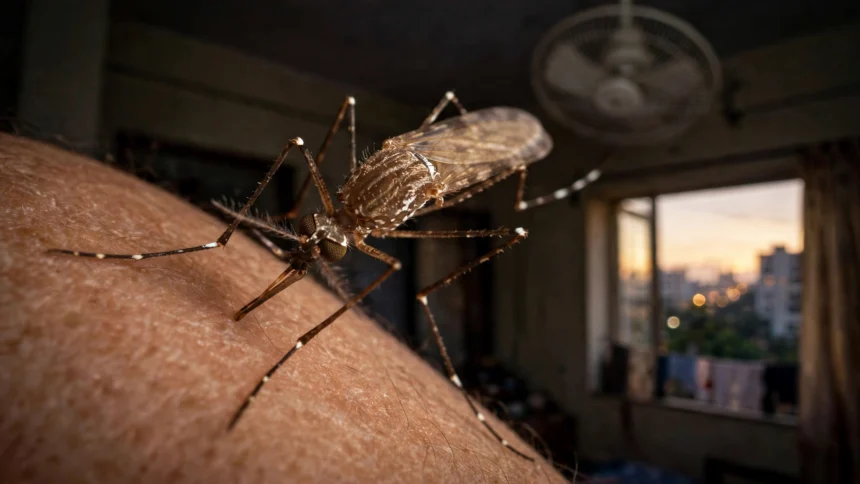
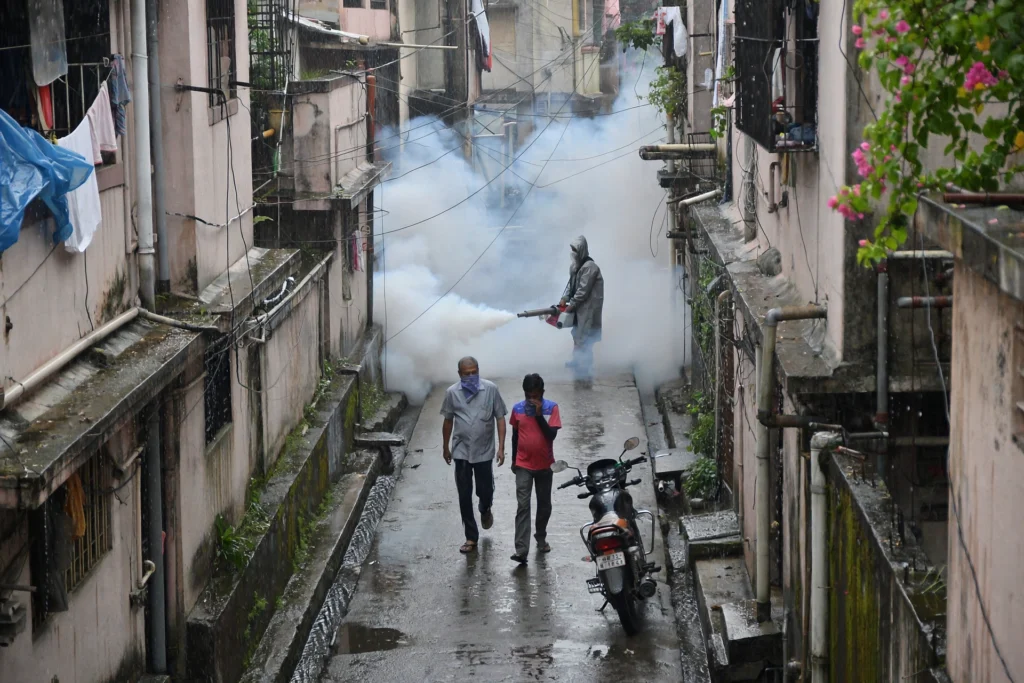
Health officials credit sustained fogging, drain cleaning and surveillance for keeping the other diseases in check. But the same measures have not stopped malaria, which spreads through the Anopheles mosquito and thrives in the stagnant water that collects at construction sites and in open drains across the city.
A more dangerous mix of cases
Doctors are also worried about the kind of malaria Mumbai is seeing, not just the count. The share of Plasmodium falciparum, the deadliest malaria parasite, has more than doubled in recent years, from 12 per cent of cases in 2023 to 25 per cent in 2025. In absolute terms, falciparum cases rose from 924 in 2023 to 2,572 in 2025.
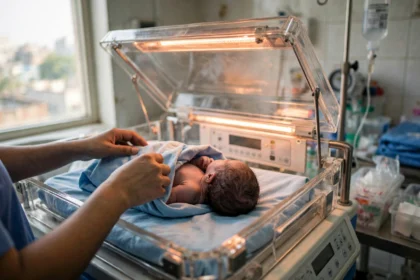
Even vivax malaria, long considered the milder form, is turning severe this year. Doctors at major hospitals have reported patients developing complications in the kidneys and liver, with some needing intensive care. Mumbai has recorded two malaria deaths this year, in addition to the death of a nursing student at JJ Hospital on October 4.
State entomologist Dr Mahendra Jagtap has linked part of the rise to labour migration from eastern India and Chhattisgarh since the pandemic, along with the high prevalence of Anopheles mosquitoes in the city.
Questions over the data
The figures have also drawn scrutiny. Kothari, who filed the RTI query, has questioned whether gaps in confirmatory testing could explain some of the decline in the other diseases. The civic body has maintained that its data is accurate.
The debate matters because the numbers shape where the BMC sends its fogging teams and health workers. If cases are undercounted, the response may be aimed at the wrong places.
What residents can do
With mosquito breeding continuing into the cooler months, health officials advise residents to keep it simple: do not let water collect in pots, trays, tyres or open containers; use mosquito nets or repellent at night; and get a blood test quickly if a fever lasts more than two days, since early treatment prevents most complications.
For the BMC, the challenge is clear. The city has managed to push down dengue and chikungunya, but malaria is moving the other way, and the 12,574 cases recorded so far this year are a reminder that the fight is far from over.
Frequently asked questions
How many malaria cases has Mumbai recorded in 2026?
Mumbai recorded 12,574 malaria cases between January and October 2026, the highest in at least five years, according to BMC data obtained through an RTI query.
How does this compare with last year?
The city recorded 10,163 malaria cases in the whole of 2025. The January to October 2026 figure of 12,574 has already crossed that full-year total.
Are other mosquito-borne diseases also rising?
No. Dengue, chikungunya and leptospirosis have all fallen. Chikungunya dropped from 542 cases to 80 between January 1 and September 15, while dengue fell from 2,724 to 2,656.
Why is malaria rising when other diseases are falling?
Health experts point to stagnant water at construction sites, the spread of Anopheles mosquitoes, and labour migration. Doctors also warn that the deadlier falciparum strain now makes up a quarter of cases.
What should I do if I get a fever?
Get a blood test for malaria promptly if a fever lasts more than two days. Early diagnosis and treatment prevent most severe complications.
Source: BMC Public Health Department data via RTI, as reported by mid-day on 16 November 2026; supporting figures from the Free Press Journal and Hindustan Times.