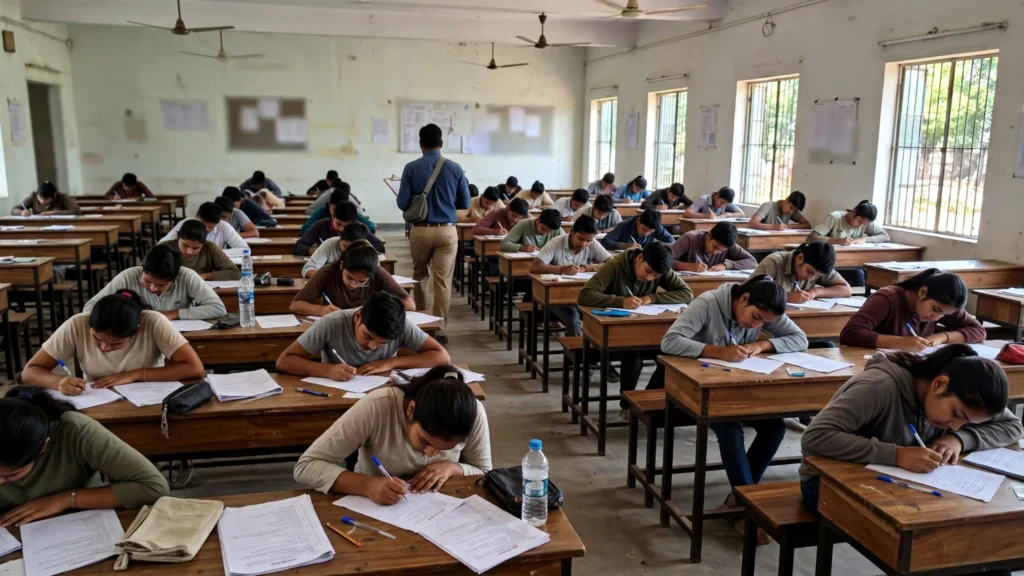
Class 12 board exam marks could soon count towards medical admissions in India. In consultations with the high-powered task force on exam reforms, a majority of states have pressed for weightage to board marks in NEET-UG, arguing that a single entrance test has pushed school exams to the margins and handed coaching institutes too much power over a student’s future.
The demand, reported by The Indian Express on Tuesday, cuts across political lines. It is one of the clearest signals yet that the National Eligibility cum Entrance Test, the gateway to MBBS and other undergraduate medical courses, could look very different in the coming years.
What the states have asked for
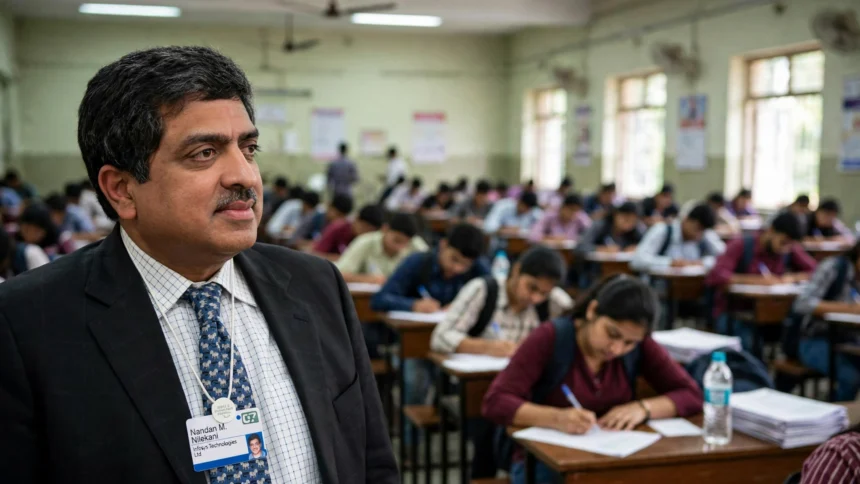
According to the report, state after state told the panel, headed by Infosys co-founder Nandan Nilekani, that board marks deserve a formal place in the NEET-UG rank. The argument is straightforward: when one test decides everything, students stop taking their board exams seriously and spend their crucial Class 11 and 12 years in coaching centres instead of classrooms.
The states also want the exam to be held more than once a year, so that a bad day does not cost a student an entire year. A shift to computer-based testing is on the table too, with most southern states backing the move, Tamil Nadu being the exception.
Why board exams are back in the conversation
The push did not come out of nowhere. For years, teachers and state governments have complained that NEET, which largely follows the CBSE syllabus, puts state-board students at a disadvantage. The demand for board weightage comes with a rider: states want a fair system of normalisation, so that marks from different boards can be compared honestly.
Tamil Nadu has gone further than the rest. Chief Minister Vijay told the Nilekani panel in a meeting on November 4 that NEET should be scrapped altogether and medical admissions should rest on Class 12 marks. The state assembly passed a unanimous resolution against NEET on August 11, 2026. Tamil Nadu has also cited the 2021 Justice A.K. Rajan Committee report, which found the exam worked against Tamil-medium students, government school students and candidates from disadvantaged backgrounds.
The numbers behind that argument are stark. Official data cited this week showed that of the 650 government school students admitted to medical colleges under Tamil Nadu’s 7.5 per cent quota in 2025-26, only 33 cleared NEET in their first attempt. The rest needed two or more attempts, with 235 succeeding on the second try and 283 on the third.
What else is on the reform table
- More than one NEET attempt a year, to reduce pressure on students
- A move to computer-based testing, with a hybrid model likely for 2027
- Weightage for Class 12 board marks, with normalisation across boards
- Stronger safeguards against paper leaks and tighter conduct of exams
Reports earlier this month had suggested the panel was leaning towards a hybrid arrangement for NEET UG 2027, with candidates getting a choice between pen-and-paper and computer-based modes. The bigger, structural changes are expected to take effect from the 2028-29 exam cycle.
Where the task force stands
The six-member High Powered Task Force was set up in 2025 after the NEET paper-leak controversy and protests by students at Jantar Mantar, with a mandate to make the country’s examination system more secure and leakproof. It has received more than 54,000 suggestions from students, parents and other stakeholders.
Consultations with the southern states, Jammu and Kashmir and Odisha are complete, and meetings with northern states are scheduled in the coming days. The panel was earlier expected to submit its report by October, but its tenure has been extended to January 2027.
What this means for aspirants
For the more than 20 lakh students who appear for NEET-UG every year, nothing changes overnight. NEET UG 2027 is expected to continue largely in its current form, possibly with a hybrid exam mode. Any change to the weightage of board marks would need the panel’s final report, the Centre’s approval and a workable normalisation formula, none of which exists yet.
Even so, the direction of travel is clear. Students preparing for the exam would do well to take their board exams seriously, because the day may not be far when those marks carry real weight in the medical admission race.
FAQs
Will Class 12 marks count in NEET UG 2027?
Not yet decided. The proposal is before the Nilekani task force, which reports by January 2027. Any change would apply only after the Centre accepts it.
What is the Nilekani task force?
A six-member High Powered Task Force headed by Infosys co-founder Nandan Nilekani, set up to recommend reforms to India’s public examination system after the NEET paper-leak controversy.
Why do states want board marks to count?
They argue that a single test promotes coaching institutes, sidelines board exams and disadvantages state-board students.
Will NEET move to computer-based testing?
Most southern states back the shift, Tamil Nadu being the exception. A hybrid model with both pen-and-paper and computer modes is likely for 2027, with a fuller shift later.
When will the task force submit its report?
By January 2027, after completing consultations with all states. Its tenure was extended from October.
For now, aspirants should keep an eye on the official NTA website and the task force’s January report, which will decide whether board exams make a comeback in medical admissions.