

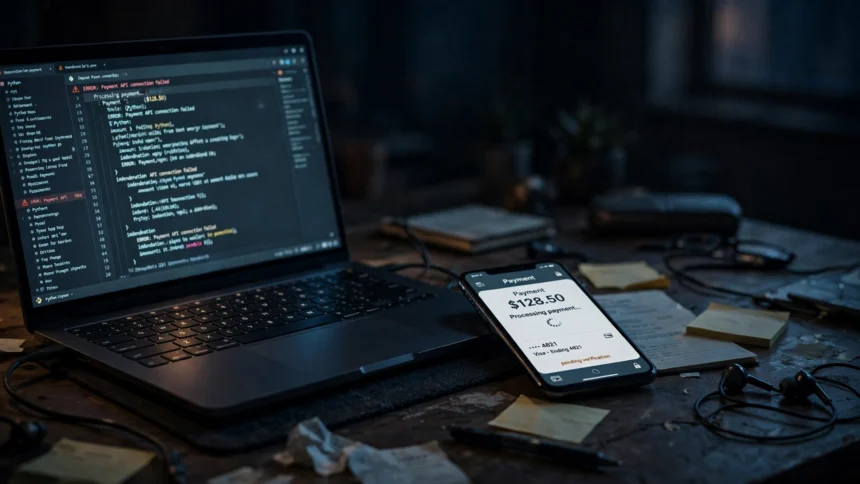
Some of the biggest websites on the internet served malware to their own visitors on Monday, and none of them had been hacked directly. The attack came through Optimizely, a website optimisation platform, after attackers exploited a flaw in its account signup flow and planted malicious code in the scripts customer websites load on every page.
Security researcher Scott Helme and his team at Report URI uncovered the campaign. They checked 1,611 Optimizely snippets and found malicious code in 188 of them, belonging to 178 organisations, including the BBC, CNN, Zoom, Fox News, HSBC, Equifax, Salesforce, GitLab, IKEA, Air France-KLM, wallet maker Ledger and streaming service Peacock. Banking and financial services were the worst hit, with 32 organisations affected.
The first injection was spotted at 04:21 UTC on Monday, 16 November 2026, in the BBC’s snippet. The code stayed live for roughly 17 hours. Optimizely confirmed the incident in a notice posted at 01:02 UTC on Tuesday, 17 November, saying it had blocked the vulnerable path, deployed a fix and removed the injected code.
What the malware actually did
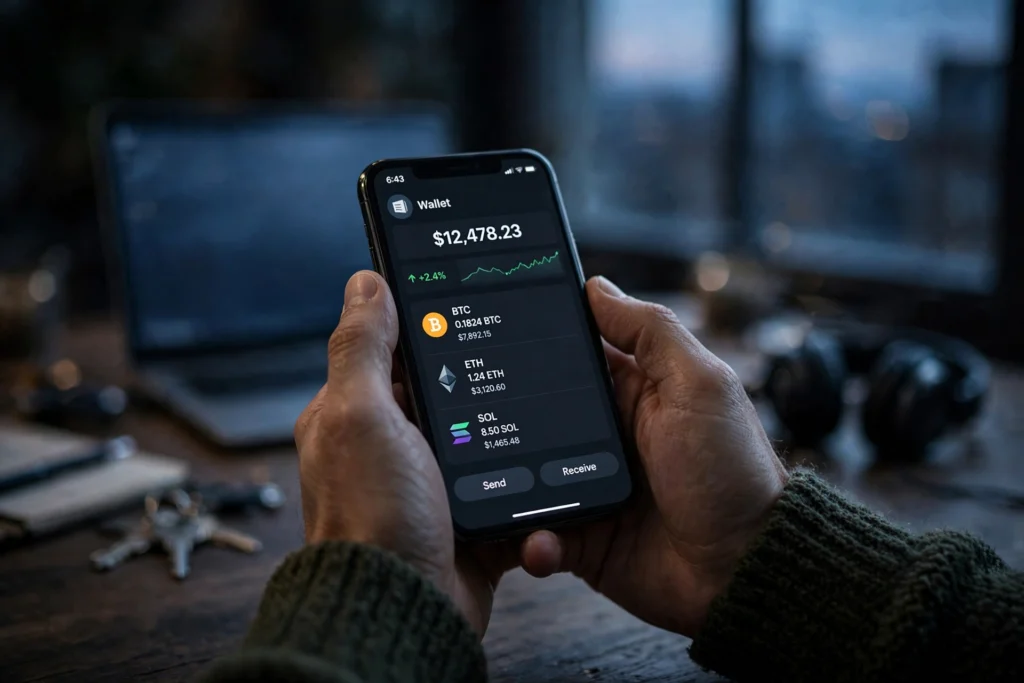
The injected code was a multi-purpose kit, and it went after money in three ways at once. First, it swapped cryptocurrency wallet addresses. When a visitor copied or viewed a wallet address on an affected page, the script quietly replaced it with one controlled by the attackers. It worked across Bitcoin, Ethereum, TRON, Solana, TON, Litecoin, Bitcoin Cash and Dogecoin. Anyone who sent funds without double-checking could have sent their crypto to the wrong wallet.
Second, a card skimmer was added at 13:43 UTC on Monday. It watched form submissions for card numbers, expiry dates and CVVs typed into a site’s own payment fields, then sent the details to an attacker-controlled server. Cards typed into hosted payment frames such as Stripe were out of reach, but cards entered into a site’s own forms were not.
Third, on iPhones and iPads the script tried to load exploit kits known as Coruna and DarkSword, which target older iOS versions. Researchers reported no iPhones actually being taken over.
How much was stolen
The financial damage is still being measured, and the numbers need careful reading. Report URI traced about $7,040 in cryptocurrency reaching the attackers’ wallets by 19:25 UTC on Monday. StepSecurity put the figure at roughly $6,600, while Alex Thorn of Galaxy Digital estimated only around $2,300 was actually sent by victims caught in the campaign.
What matters more than the dollar figure is the scale of the exposure. Millions of people visit these sites every day, and for hours on Monday their browsers ran code that none of the site owners had written. By 21:52 UTC, researchers found malicious code remaining in only one of the 188 infected snippets.
Why it matters
This attack is a textbook supply chain breach, and that is exactly what makes it worrying. The BBC, CNN and Zoom did not suffer a security failure in their own systems. They trusted a third-party script, and that trust was turned against their visitors. One compromised vendor became a doorway into 178 organisations.
For Indian readers, the lesson is direct. Optimizely and similar tools are used by companies across the world, including in India, and the same pattern has played out before with other vendors. The security of a website you trust is only as strong as the weakest script it loads. That is why security teams are pushing for stricter checks on third-party code, including integrity checks that stop a tampered script from running at all.
The incident, which some researchers have nicknamed OPTIMJACK, also shows how quickly attackers now move. The payload was rebuilt 26 times during the day, with new versions hiding the attacker’s server address and carrying a backup copy of the code.
What you should do now
- Check recent card statements. If you entered card details on any major website on Monday, watch your statements and report anything unfamiliar to your bank.
- Verify wallet addresses before sending crypto. Always compare the full address before confirming a transaction.
- Update your iPhone or iPad. The exploit kits targeted older iOS versions, so installing the latest update closes that door.
- Change passwords if you logged in anywhere unusual. The code also targeted cookies, which can hijack logged-in sessions.
Timeline: how the attack unfolded
- Monday, 04:21 UTC: first injection spotted in the BBC’s Optimizely snippet.
- Monday, 13:43 UTC: card skimmer added to the payload.
- Monday, 19:25 UTC: about $7,040 traced to attacker-controlled wallets.
- Monday, 21:52 UTC: only one of 188 infected snippets still carrying the code.
- Tuesday, 01:02 UTC: Optimizely posts its incident notice, saying the flaw is fixed and the code removed.
FAQs
Was my data stolen if I visited the BBC or CNN on Monday?
Not necessarily. Whether the code captured anything depends on what you did on the page. If you entered card details or copied a crypto address, check your accounts.
Is the attack over now?
Optimizely says the flaw is fixed and the code removed, and researchers confirmed nearly all snippets were clean by late Monday night.
Why did so many big sites get hit at once?
Because they all load the same Optimizely script. Attackers only had to compromise one vendor to reach visitors across 178 organisations.
The Optimizely incident is a reminder that the modern web runs on shared infrastructure, and a single weak link can expose millions.