
Procter & Gamble, the company behind Tide, Gillette and Pampers, plans to cut between a fifth and nearly a third of its factory and logistics workforce by 2030. The move, announced at the company’s investor day in Cincinnati on Thursday, is one of the clearest signs yet that automation is now reshaping shop-floor jobs at the world’s biggest consumer goods makers, not just office work.
Chief Product Supply Officer Luc Reynaert told investors that P&G will reduce its product supply workforce, including contractors, by 20% to 30% by the end of the decade. The product supply organisation, which covers manufacturing, planning, purchasing, engineering and logistics, employs nearly 65,000 people across 110 plants and 200 distribution centres. On that base, the cut would cover roughly 13,000 to 19,500 roles, though the company has not put out a specific headcount figure of its own.
What P&G actually announced
The workforce target sits inside a much larger productivity programme. Chief Financial Officer Andre Schulten told investors that P&G is aiming for up to $10 billion in cumulative productivity savings across fiscal years 2027 to 2030, with up to $1.8 billion a year coming from the cost of making its products.
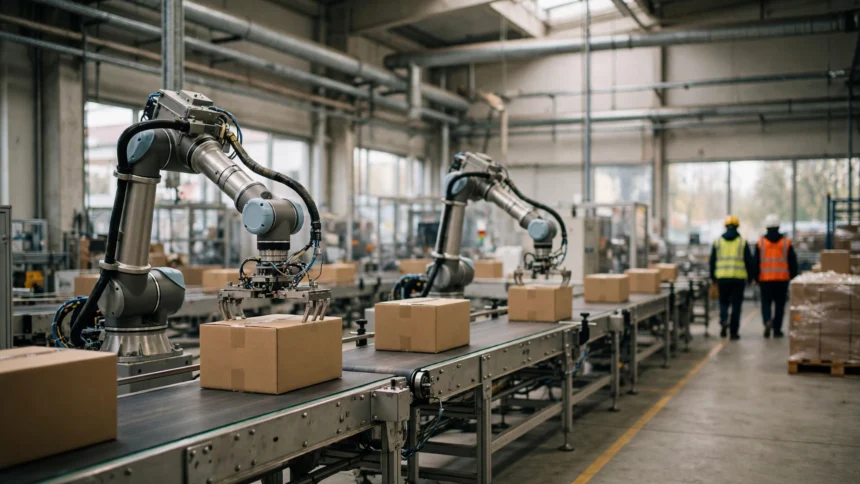
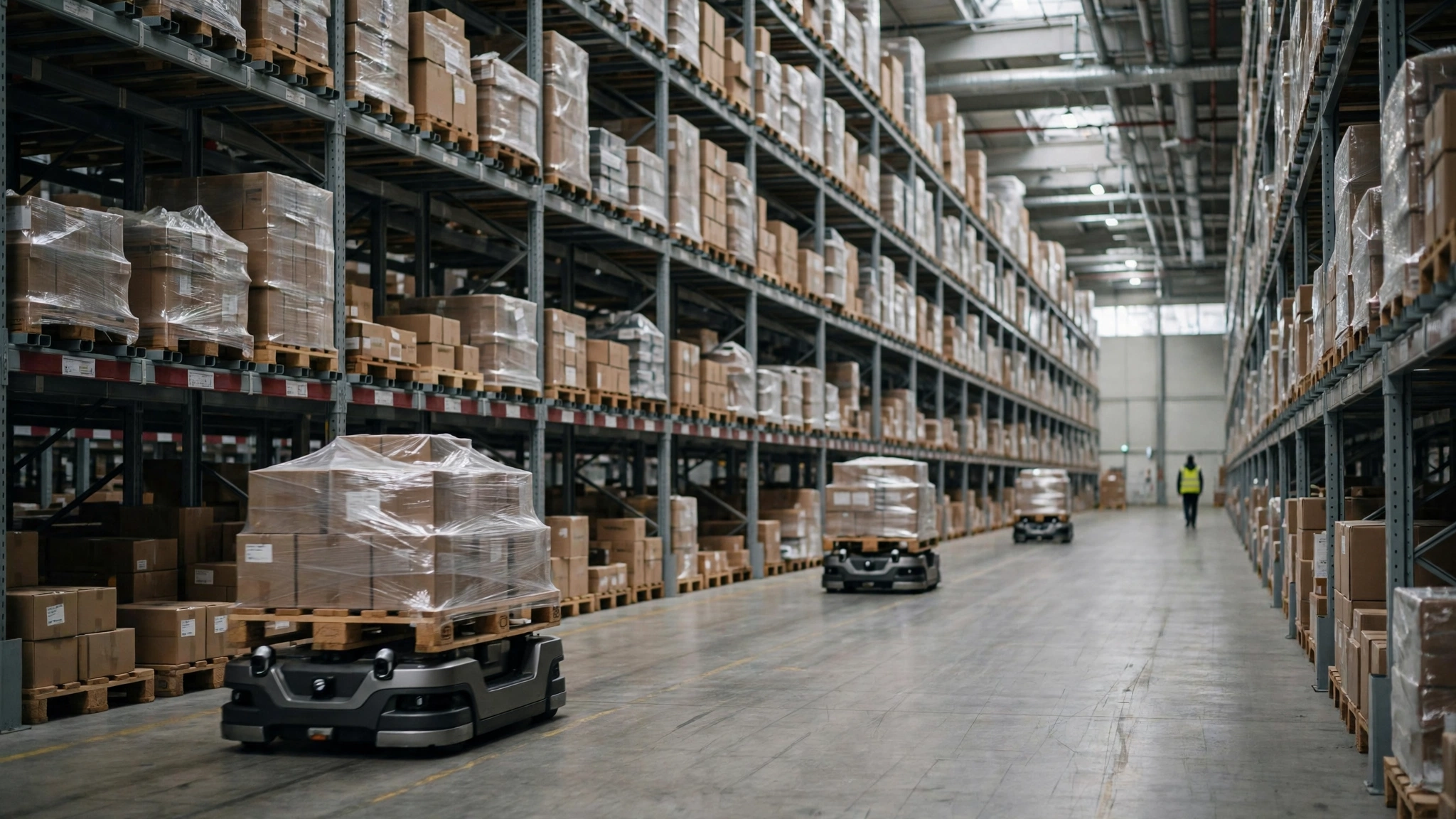
Automation is the centrepiece. Reynaert said 15 of P&G’s logistics facilities already run without on-site staff, and more such sites are planned. The automated locations are expected to lift productivity by 20% by 2030, freeing employees for higher-value work, he said. The company is also leaning on artificial intelligence to speed up forecasting and execution across its supply chain.
The announcement comes as P&G faces rising input costs. The company expects higher commodity, energy and freight costs to add about $1.4 billion to its bill in the current fiscal year. P&G, which employs around 104,000 people in total as of June 30, 2026, said the supply-chain cuts come on top of a separate plan announced in June 2025 to eliminate up to 7,000 non-manufacturing roles over two years.
What is still not clear
For all the detail on savings targets, P&G has not said which plants or countries will be affected, which job types are in scope, or how the cuts will be phased between now and 2030. The company has not disclosed a geographic break-up of the reduction, and it has not said how contractor roles, which are included in the target, will be counted against the total.
That matters because the headline percentage hides a wide range of outcomes. A 20% cut and a 30% cut are very different numbers, and the difference between them is several thousand jobs. Until P&G publishes plant-level plans, workers and unions can only read the direction of travel, not the destination.
It is also worth noting what the plan is not. This is not a one-off layoff round tied to a bad quarter. It is a four-year restructuring of how the company makes and moves its goods, with automation doing work that people used to do. That makes it harder to reverse, and harder for affected workers to wait out.
Why it matters
This announcement is a marker for every manufacturing and logistics worker, in India and elsewhere. For years, the automation debate focused on offices, software and customer service. P&G is now saying plainly that the factory floor and the warehouse are next, and that the change will be measured in tens of thousands of roles at a single company.
For Indian workers, the signal is direct. India is one of P&G’s biggest markets, and the company runs a large manufacturing and distribution footprint here. No India-specific job numbers have been announced, but global supply-chain decisions of this size eventually reach every plant network, and Indian factory and logistics staff will be watching for local details in the months ahead.
The practical takeaway is about skills. The roles P&G says it wants to keep, and the ones it says automation will free people up for, are the ones that involve running, maintaining and improving automated systems rather than repeating manual tasks. Workers in packing, material handling and routine warehouse roles should treat the next two years as the window to pick up the skills that sit alongside automation: machine operation, basic data and inventory systems, quality checks and maintenance. That is not a guarantee of a job, but it is the clearest direction the industry itself is giving.
There is also a wider pattern to watch. P&G is not alone. Across consumer goods, autos and electronics, companies are pairing AI-led planning with lights-out warehouses and robotic lines. The question for policymakers is no longer whether automation will reach manufacturing jobs, but how fast, and what support exists for the people it displaces.
Frequently asked questions
How many jobs is P&G cutting?
P&G has not given an exact number. It plans to cut 20% to 30% of its product supply workforce, which employs nearly 65,000 people. That works out to roughly 13,000 to 19,500 roles, including contractors, but the company has not confirmed a figure.
When will the cuts happen?
By the end of 2030. P&G has not disclosed the timing of the cuts within that window or which plants will be affected first.
Are Indian workers affected?
P&G has not announced any India-specific numbers. The plan covers its global product supply organisation, and India is a major part of its manufacturing and distribution network, so workers here should expect local details to follow.
Why is P&G doing this now?
The company says automation and AI can cut costs and raise productivity. It is targeting up to $10 billion in savings by 2030, with $1.8 billion a year from the cost of making products, at a time when commodity and freight costs are rising.
Is this separate from the 7,000 job cuts announced in 2025?
Yes. The June 2025 plan covered up to 7,000 non-manufacturing roles over two years. The new target covers factory and logistics staff, including contractors, and is additional to that plan.
The coming months will show how quickly P&G moves from targets to plant-level decisions. For now, the message from Cincinnati is unambiguous: the automated factory is no longer a pilot project, it is the plan.