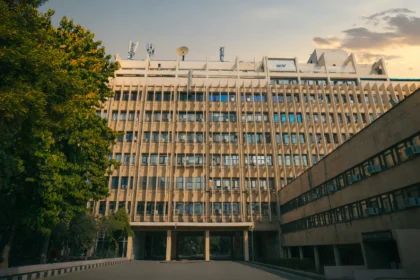
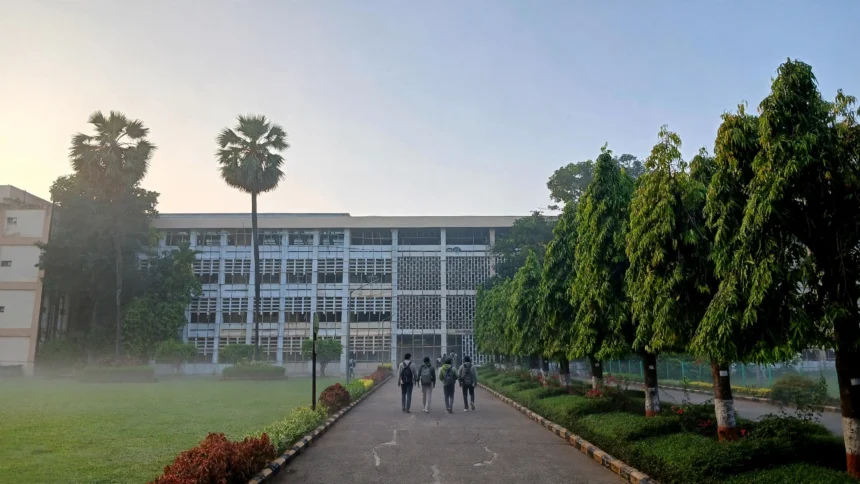
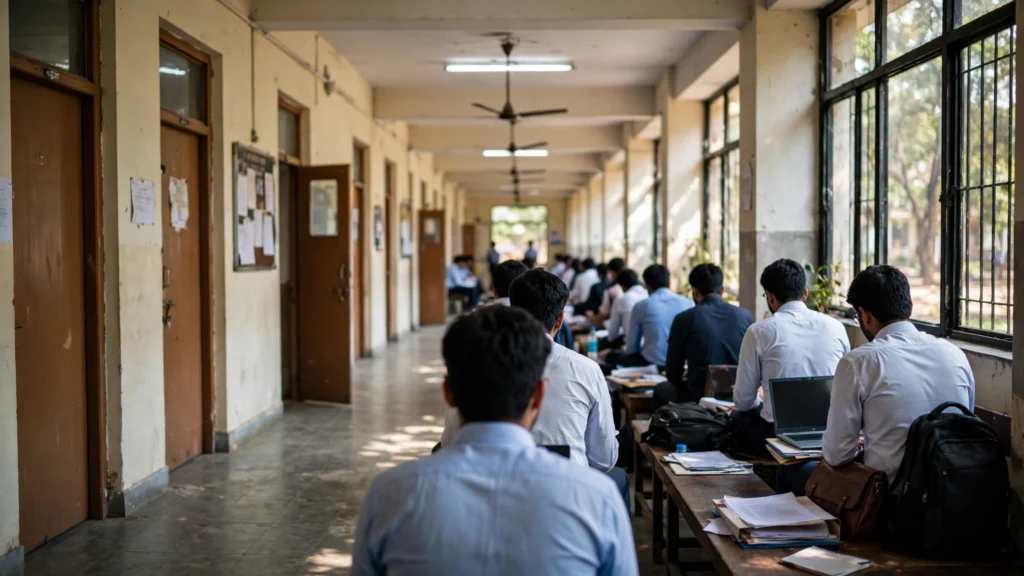
The early morning of Tuesday, 1 December, will look familiar on the seven older IIT campuses, and different at the same time. Students in formal shirts will queue outside interview rooms with laptops and files, just like every year. But this time, at least 17,000 of them will sit for Phase 1 placements in a changed market.
The seven institutes, Delhi, Bombay, Madras, Kharagpur, Kanpur, Roorkee and Guwahati, open Phase 1 together, while the younger IITs have already started. Students and placement teams describe a season of two halves: fewer classic software jobs from the big technology companies, and a sharp rise in demand for artificial intelligence skills.
Big Tech is pulling back
The clearest change this year is who is not coming. Google is not visiting IIT Kanpur or IIT Kharagpur this season, students there have confirmed. At Kharagpur, Apple has also stayed away. Microsoft has tightened its criteria sharply: where it once considered candidates from electrical, chemical and other branches, this year it is looking mainly at top computer science students with a CGPA of around 9 and above.
One student at IIT Kharagpur estimated that companies are hiring around 30 percent fewer candidates this year, and a fourth-year student there said 20 to 30 percent of the usual software recruiters are not taking part at all. At IIT Madras, placement team members said some of the largest multinationals are either staying away or hiring far fewer people.
Salary packages have stayed broadly steady. Mint reported offers ranging from about Rs 10 lakh to Rs 2 crore, and students at several campuses said packages are largely consistent with last year, even as the number of roles shrinks.
AI is the new filter
What is rising, fast, is demand for AI talent. Recruiters are looking hardest for AI, generative AI and machine learning engineers, along with quantitative researchers, according to Mint. A student at IIT Kanpur estimated a 20 to 30 percent increase in AI and data science roles on last year, with far more AI startups on campus this time.
The shift is also changing the interviews, with recruiters putting AI-related questions into tests and interviews even though these skills are not yet part of the regular curriculum in many top IITs. At IIT Madras, placement team members said some AI-heavy companies are openly weighing whether the technology can replace junior developer roles.
Startups and trading firms fill the gap
The gap left by Big Tech is being filled, in part, by startups and high-frequency trading firms. IIT Delhi’s placement cell said classic software jobs have dipped slightly while more high-frequency trading firms visit, a trend also visible at Bombay and Madras.
But even the trading firms are more selective. At IIT Kanpur, one student said Quadeye hired around 18 interns but converted only five into full-time roles, against about 13 interns and nine conversions last year. IIT Guwahati has seen a 10 to 20 percent rise in roles at international companies, and AI talent has drawn offers of Rs 1.5 crore.
The season at a glance
- 1 December: Phase 1 opens at the seven older IITs, Delhi, Bombay, Madras, Kharagpur, Kanpur, Roorkee and Guwahati.
- 17,000-plus students: the number sitting for final placements across the IITs this season, as reported by Mint.
- Early January: Phase 1 runs through the first weeks of the new year, with Phase 2 starting in mid-January.
Why it matters
This is not just a tough year at the IITs. It is a preview of what the wider fresher job market already looks like. Fresher hiring in Indian IT services has fallen from about 6,00,000 in FY22 to about 1,20,000 in FY25, an 80 percent drop, according to hiring data cited this week. The IITs are feeling the same squeeze, only later and from a higher base.
The practical lesson is clear. A degree from a top institute no longer guarantees the old menu of offers. The roles that remain are narrower: AI and machine learning, data science, quantitative research and core engineering, tested with skills the curriculum has not caught up with. Students outside computer science feel it most, as Microsoft’s CSE-only, high-CGPA filter shows. With pre-placement offers converting at lower rates, internships are no longer the safe route they were.
What happens next
Day 1 slots on 1 December will set the tone. Placement teams will watch how many offers come through in the first week, and whether the AI-led demand holds up once the big recruiters have made their picks. The full picture will only emerge over the coming weeks.
FAQs
When do IIT placements 2026 begin?
Tuesday, 1 December 2026, at the seven older IITs. Younger IITs have already started.
How many students are sitting for placements?
At least 17,000 students will sit for final placements across the IITs this season, according to Mint.
Why is this season described as tough?
Big Tech hiring has slowed by around 30 percent by one estimate. Google is skipping IIT Kanpur and Kharagpur, Microsoft has tightened its criteria, and pre-placement conversions have fallen.
Which skills are most in demand?
AI, generative AI and machine learning engineers, data science roles and quantitative researchers.
When does Phase 1 end?
Phase 1 runs through early January 2027, with Phase 2 starting in mid-January.
For the Class of 2027, the wait is nearly over. On Tuesday morning, the season opens, and the market gives its verdict.