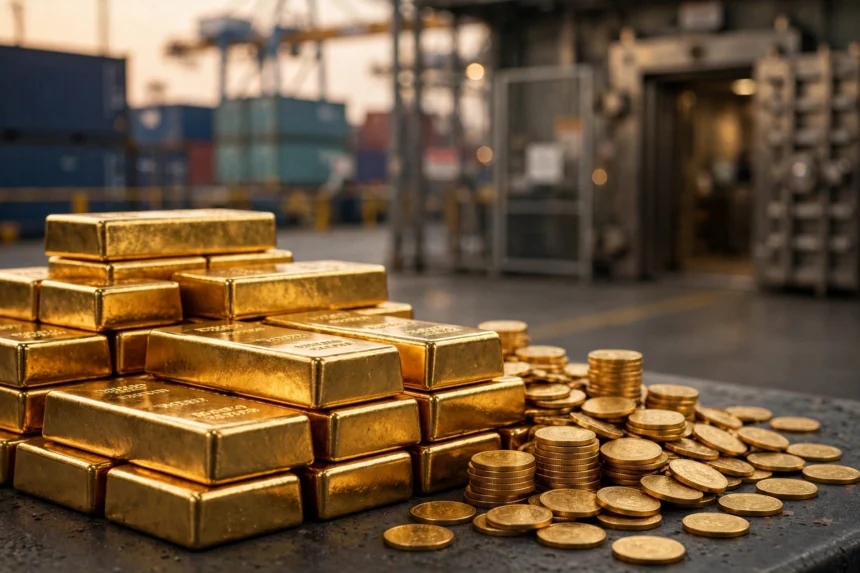
India’s appetite for gold is finally cooling, and the government is claiming credit. Data presented by the Ministry of Commerce and Industry on Thursday shows gold imports fell by more than 27 per cent to USD 19.27 billion during April to September 2026, down from USD 26.51 billion in the same period last year. The sharp drop follows the government’s decision in May to raise the import duty on gold and silver from 6 per cent to 15 per cent.
India is one of the world’s largest gold buyers, and almost all of it is imported. That makes every price swing in the yellow metal a direct line to the country’s trade deficit. The latest numbers suggest the duty hike has done exactly what policymakers intended: it has made importing gold expensive enough to slow the flow, at least for now.
What the numbers say
The Commerce Ministry’s presentation showed that the decline was not a one-off blip. Gold imports fell sharply in September as well, with silver imports also declining both for the month and on a cumulative basis for the April to September period. The duty increase, which took effect on May 13, made imports pricier at a time when global gold prices were already running high.
The broader trade picture is improving too. Merchandise imports rose to USD 74.61 billion in September from USD 69.08 billion a year earlier, but merchandise exports jumped 23.04 per cent to USD 44.40 billion. That helped narrow India’s merchandise trade deficit to USD 30.21 billion from USD 33 billion in the same month last year. Lower gold imports are doing their part in keeping the deficit in check.
Why the government raised the duty
Gold has been a persistent headache for India’s external balance. The government raised the customs duty on gold and silver in May as part of measures to moderate precious metal imports, which were putting pressure on the rupee and on foreign exchange reserves. The World Gold Council had already flagged that higher duties and tighter import regulations would weigh on domestic demand through 2026.
The move was a deliberate policy choice. A strong festive and wedding season usually drives up India’s gold demand sharply in the second half of the year, and the government wanted to lean against that surge. With the rupee under pressure through the year, curbing gold imports became one of the more straightforward levers available.
Gold prices are swinging too
Domestic gold prices have been on a roller coaster this week. On Wednesday, gold prices in New Delhi fell by Rs 1,800 to Rs 1.50 lakh per 10 grams, inclusive of all taxes, according to the All India Sarafa Association, while silver declined by Rs 5,000 to Rs 2.21 lakh per kilogram. Physical gold rates extended their losses for the fourth straight day, though MCX gold futures traded above the Rs 1.47 lakh mark.
Globally, spot gold rose about 1 per cent on Thursday to trade above USD 4,140 per ounce as investors weighed stronger than expected US inflation data. September US consumer price inflation came in at 3.7 per cent, above the street estimate of 3.6 per cent, reviving talk of further interest rate action by the Federal Reserve.
What to watch next
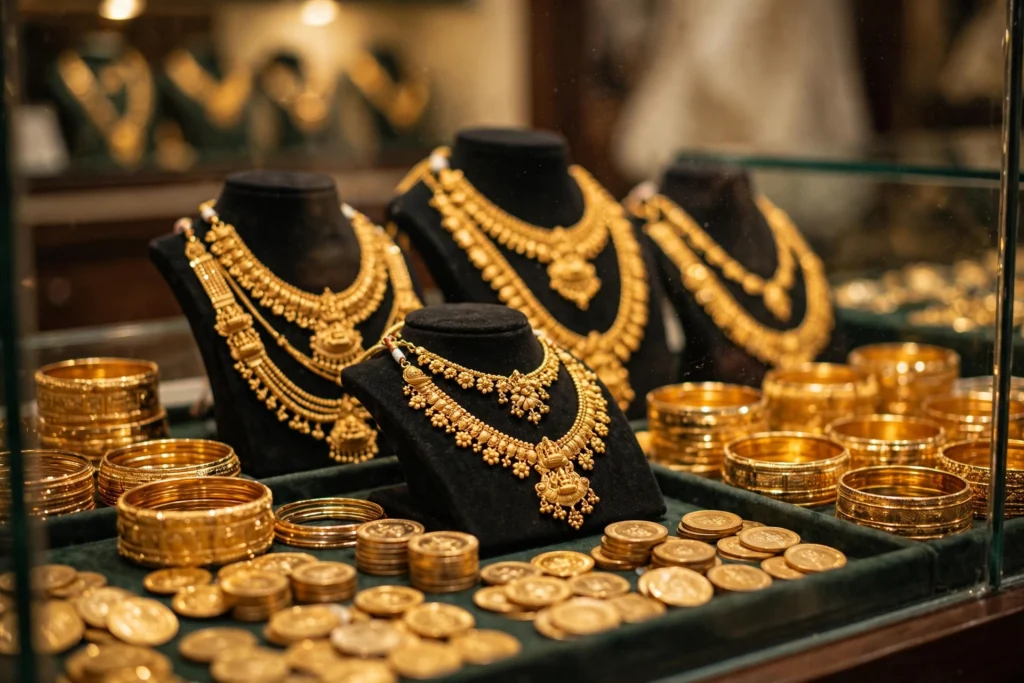
The real test comes now. The festive season is underway and Diwali buying typically lifts gold demand in October and November.
- Festive demand: The coming weeks will show whether high duties and elevated prices keep buyers on the sidelines or if traditional buying holds up.
- Rupee impact: A smaller gold import bill eases pressure on the trade deficit, which is supportive for the rupee at a time of global dollar strength.
- Silver trend: Silver imports also declined, suggesting the duty effect is broad based across precious metals.
- Policy signal: If imports stay low through the wedding season, the government is unlikely to revisit the duty anytime soon.
- Global cues: US inflation and Fed moves will continue to drive international gold prices, which feed straight into Indian retail rates.
FAQs
How much did India’s gold imports fall?
Gold imports fell by more than 27 per cent to USD 19.27 billion in April to September 2026, compared with USD 26.51 billion in the same period last year.
Why did the government raise the import duty on gold?
The duty on gold and silver was raised from 6 per cent to 15 per cent in May 2026 to moderate precious metal imports, which were pressuring the rupee and foreign exchange reserves.
Did silver imports fall too?
Yes. The Commerce Ministry data showed a decline in silver imports as well, both for September and on a cumulative basis for the April to September period.
How does this affect India’s trade deficit?
Lower gold imports ease pressure on the merchandise trade deficit, which narrowed to USD 30.21 billion in September from USD 33 billion a year earlier.
What are current gold prices in India?
On October 14, gold in New Delhi was priced at Rs 1.50 lakh per 10 grams inclusive of taxes, down Rs 1,800 in a single day, while silver was at Rs 2.21 lakh per kilogram.
Stay with Informeia for the latest on gold prices, trade data and every story shaping India’s economy.