For lakhs of Indian families, a cancer diagnosis comes with a second shock: the pharmacy bill. Immunotherapy and targeted therapies can cost lakhs of rupees a year, and a big reason has been the enormous mark-ups added between the manufacturer and the patient. This week, the government moved to cut that gap. On Saturday, October 17, the National Pharmaceutical Pricing Authority (NPPA) issued a Gazette notification capping trade margins on 137 non-scheduled anti-cancer drugs at 30 per cent of the maximum retail price, a step that could bring down the MRPs of several cancer medicines by up to 70 per cent.
The revised prices will take effect on November 9, 2026. The intervention, taken under Paragraph 19 of the Drugs (Prices Control) Order, 2013, covers immunotherapies, targeted therapies, conventional chemotherapy drugs and supportive medicines, including some of the most widely prescribed names in modern oncology.
What the NPPA order says
The cap restricts the trade margin to 30 per cent of the MRP for formulations containing any of the 137 listed drugs, whether sold individually or in combination, regardless of strength, dosage form or route of administration. The list spans immunotherapy drugs used across more than 20 types of cancer, denosumab used by breast and prostate cancer patients, pegfilgrastim used to prevent neutropenia in cancer patients, and bevacizumab, approved for colon, ovarian and cervical cancers. Widely used medicines such as pembrolizumab, durvalumab and osimertinib are also covered.
The 137 drugs were picked on the recommendation of an expert committee under the Directorate General of Health Services, comprising leading oncologists, medical specialists, hospital experts and government officers. The committee deliberated on the list, and the NPPA says it will be updated periodically. Non-scheduled drugs, unlike scheduled formulations, are not subject to the standard ceiling-price mechanism, which is why the regulator had to invoke its extraordinary powers under Paragraph 19.
Why this matters: margins as high as 700 per cent
Officials cited in media reports told Business Standard that the expert committee had found trade margins ranging from 170 to 700 per cent on non-scheduled cancer drugs at various outlets, a gap between procurement costs and MRPs that patients’ groups and civil society have flagged for years. The NPPA noted that cancer treatment in India often results in catastrophic health expenditure, placing a severe financial burden on patients and their families.
The decision builds on a 2019 pilot Trade Margin Rationalisation exercise, in which the regulator capped margins on 42 anti-cancer drugs at 30 per cent. That intervention reduced the MRPs of 526 brands of non-scheduled anti-cancer medicines by up to 90 per cent. Officials have reportedly estimated that the expanded move could generate annual savings of around Rs 2,500 crore.
What manufacturers, retailers and hospitals must do
The compliance burden falls first on manufacturers. The key obligations are:
- Manufacturers must inform the NPPA of revised prices within seven days of the Gazette notification.
- They must display price lists on their own websites and circulate them widely to retailers and hospitals.
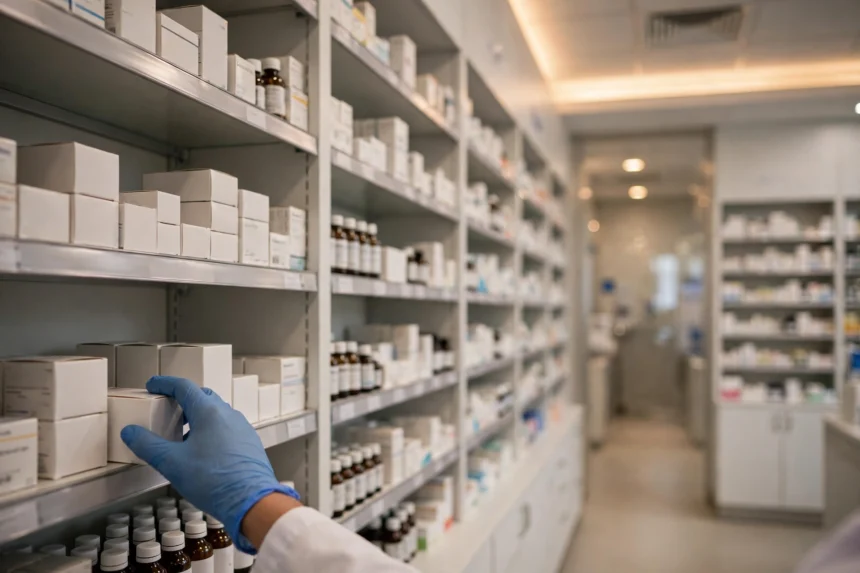
- Retailers and hospitals must charge the reduced prices from November 9 and display revised price lists in their pharmacies.
- Hospitals must also prominently publish the revised prices on their websites, a significant clause given that most anti-cancer drugs are supplied directly to hospitals.
- Consumers can verify revised prices through the NPPA’s Pharma Sahi Daam app and the NPPA website.
State drug controllers have been asked to ensure compliance by manufacturers and dealers, including retailers, hospitals and medical institutions. The notification warns that manufacturers not complying will be liable to deposit the overcharged amount along with interest under the DPCO 2013 read with the Essential Commodities Act, 1955.
What patients should expect
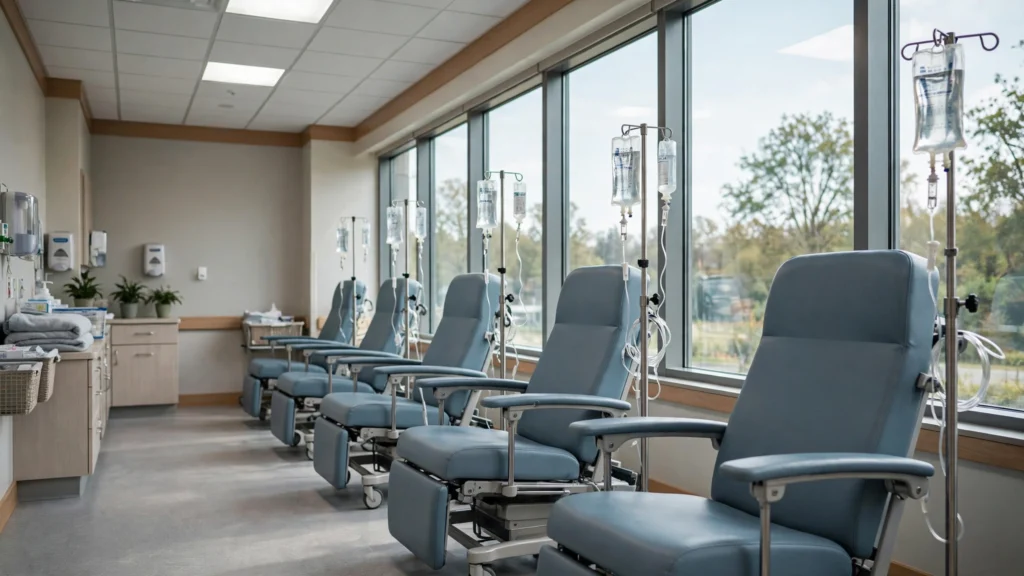
Not every cancer drug will become 70 per cent cheaper. The government expects reductions of up to 70 per cent, but the actual cut will vary with each product’s existing price structure: medicines with the most inflated margins will see the steepest falls, while already lean-priced generics may barely move. Patients should also note the order covers only the 137 specified drugs and their formulations, not every cancer medicine on the market.
There is also a timing caveat. Revised prices are mandatory only from November 9. Patients buying medicines this week may still pay the old MRPs, and pharmacies have until that date to align their billing. From November 9, however, hospitals must both charge and display the reduced prices, giving patients a new lever to question inflated bills.
The intervention follows the Centre’s submission to the Supreme Court on October 12 that it had decided to regulate trade margins on anti-cancer medicines at 30 per cent of MRP, a move the apex court welcomed while calling for a broader review of medicine pricing. If the current exercise delivers, it could set the template for wider price interventions across the pharmaceutical sector.
FAQs
Which drugs are covered by the NPPA order?
137 identified non-scheduled anti-cancer drugs, including immunotherapies, targeted therapies, chemotherapy drugs and supportive medicines such as pembrolizumab, durvalumab, osimertinib, denosumab, pegfilgrastim and bevacizumab. The list will be updated periodically.
From when do the revised prices apply?
The revised MRPs take effect on November 9, 2026. Manufacturers must submit revised prices to the NPPA within seven days of the October 17 Gazette notification.
Will all cancer drugs become 70 per cent cheaper?
No. Reductions of up to 70 per cent are expected, but the actual fall depends on each medicine’s existing price structure. Only the 137 specified drugs and their formulations are covered.
How can I check the revised price of a medicine?
Consumers can verify prices on the NPPA’s Pharma Sahi Daam app and the NPPA website. Retailers must display revised price lists in pharmacies, and hospitals must publish them on their websites.
Does the order cover scheduled cancer drugs?
No. It applies only to non-scheduled formulations, which are not under the standard ceiling-price mechanism. Scheduled drugs already have regulated ceiling prices.
For lakhs of families fighting cancer, this week’s move is a rare piece of good news on the money front. Whether it translates into real savings at the pharmacy counter will be clear after November 9, and that is the date to watch.