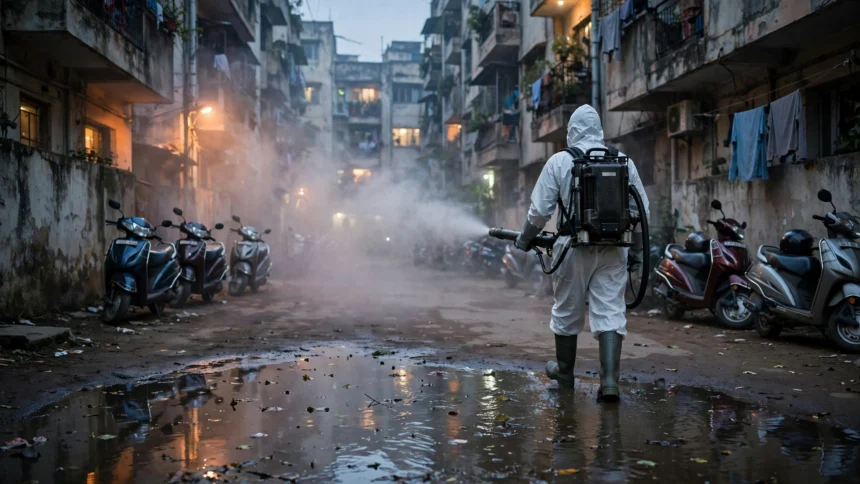
Pune is facing another worrying dengue season, and this time the civic body is moving before the numbers climb further. On Saturday, October 25, Pune Municipal Corporation (PMC) Commissioner Naval Kishore Ram reviewed the city’s dengue response and ordered departments to step up action against mosquito breeding, as the city’s tally for 2026 reached 2,291 cases.
Ram visited the Dr Naidu Infectious Diseases Hospital in Baner to check arrangements for patients. His message was simple: do not panic, but do not ignore symptoms. The 2,291 cases were recorded between January 1 and October 20, 2026, already close to last year’s full total of 2,391, though well below the 4,908 cases reported in 2024.
The numbers behind the crackdown
PMC’s inspection drive this year shows how widespread breeding sites remain. The drive has covered about 14 lakh homes and checked 2,831,386 water storage containers. Aedes larvae turned up in 18,885 of those containers, spread across 13,000 homes.
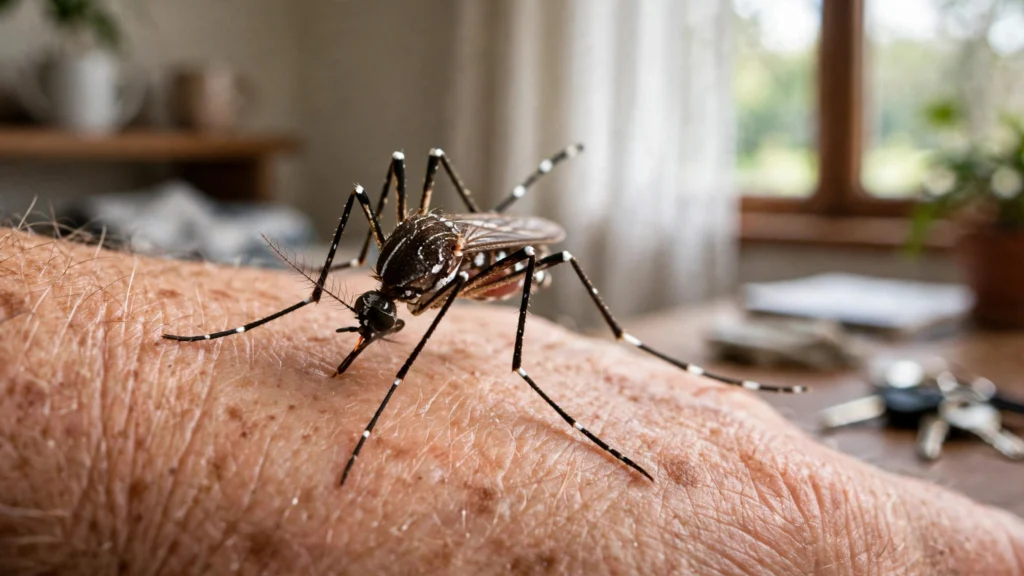
Dengue spreads through the Aedes mosquito, which breeds in clean, stagnant water in flower pot saucers, cooler trays, discarded tyres and uncovered tanks.
The civic body has served notices on 2,664 properties and collected Rs 6.30 lakh in fines.
What PMC has ordered
Ram asked the health, building permission, anti-encroachment and solid waste management departments to coordinate their preventive work instead of working in silos. The focus will be on stagnant water at construction sites, garbage dumps and other breeding spots.
- Priority fogging around patients’ homes and nearby enclosed spaces, rather than blanket spraying in open areas.
- Biological larvicides in stored water to stop larvae before they turn into adult mosquitoes.
- Closer checks on construction sites, where water often collects in pits, drums and debris.
- Awareness drives through digital displays at railway stations, radio messages and announcements on garbage collection vehicles.
Residents have been asked to cover water tanks, clear stagnant water, cooperate with inspection teams and observe a dry day every week, emptying and scrubbing water containers so larvae cannot mature.
The hospital reporting row
The crackdown comes alongside a row over dengue reporting that broke on the same weekend. PMC has issued notices to Ruby Hall Clinic and Noble Hospital in Hadapsar, seeking explanations for alleged lapses in reporting and for discrepancies between test records and entries on the government surveillance portal.
The Ruby Hall notice, issued on October 21, followed the suspected dengue death of a nine-year-old girl who died on October 18. The civic body asked why her case was not reported to its vector-borne disease control department in time. Ruby Hall said it was reviewing the notice and reports.
The Noble notice concerned a mismatch: the hospital used rapid screening tests, while the Integrated Health Information Platform (IHIP) portal recorded the method as ELISA, used for confirmatory diagnosis. Noble said it corrected four patient records and charges Rs 600 for both tests, so patients were not affected financially.
PMC Health Department Chief Dr Nina Borade noted dengue has been a notifiable disease in India since 2016, so hospitals must report every case promptly. Fogging and house checks start from the address on that report, so a late or wrong entry delays the response where it is needed most.
Beds, tests and where to go
Private hospitals have 4,409 beds set aside for dengue patients, including 670 ICU beds, while PMC hospitals have 333 beds, six in the ICU. Officials said about half are vacant. Dr Naidu Hospital has 50 dedicated dengue beds, 35 empty. All tests and treatment at PMC hospitals are free, with free confirmatory tests at Dr Naidu, Dr Kotnis and Kamala Nehru hospitals.
What residents should do this week
Check your home once a week, empty containers that collect rainwater, keep tanks covered, and seek medical advice promptly if fever, severe headache, joint pain or a rash develops. Early testing helps doctors plan treatment, and early reporting helps protect neighbours.
Pune’s message is twofold: chase breeding sites harder, and report cases cleanly and on time. Whether the 2026 tally stays below last year’s total will depend on homes, construction sites and hospital record rooms in the next few weeks.
FAQs
How many dengue cases has Pune recorded in 2026?
Pune recorded 2,291 dengue cases between January 1 and October 20, 2026, according to PMC. That is close to last year’s total of 2,391 and below the 4,908 cases reported in 2024.
Who ordered the tougher dengue action in Pune?
PMC Commissioner Naval Kishore Ram reviewed the city’s dengue response on Saturday, October 25, and asked civic departments to coordinate action against mosquito breeding.
Where are free dengue tests available in Pune?
All tests and treatment at PMC hospitals are free. Free confirmatory tests are available at Dr Naidu, Dr Kotnis and Kamala Nehru hospitals.
Why did PMC issue notices to Ruby Hall and Noble Hospital?
Ruby Hall was asked why a suspected dengue death case was not reported in time. Noble was asked to explain a mismatch between rapid screening tests and ELISA entries on the IHIP portal. Noble said it corrected four patient records.
What can residents do to prevent dengue at home?
Cover water tanks, empty and scrub water containers once a week, clear stagnant water, cooperate with inspection teams and seek medical advice promptly if dengue-like symptoms appear.
Stay alert, keep your surroundings dry, and share this information with neighbours. One cleared container can protect a whole lane.