India is likely to keep cotton imports free of customs duty through December, giving textile mills more breathing room at a time when domestic prices refuse to cool down. Three government and industry sources told Reuters on Monday that the government is expected to extend the duty exemption by two more months once the current window closes on October 31.
- Why prices are staying high
- Who gains from the extension
- The other side of the coin
- FAQs
- Is duty-free cotton import confirmed till December?
- What is the current duty on cotton imports?
- Why are cotton prices still high despite new arrivals?
- Which countries will benefit from the extension?
- Could the extension hurt cotton farmers?
The move, if confirmed, would stretch a relief measure that began on June 1, when New Delhi waived the 11 percent customs duty on cotton imports for five months to shore up supplies during the lean season. Inter-ministerial consultations are complete, the sources said, and a formal order is expected soon. The finance, commerce and textile ministries have not commented publicly yet.
For mills across Tamil Nadu, Gujarat and Maharashtra, the extension cannot come soon enough. New-season arrivals usually push domestic prices down in October, but this year rates have stayed stubbornly firm, and mills say the math on their raw material bill simply does not add up without imported cotton.
Why prices are staying high
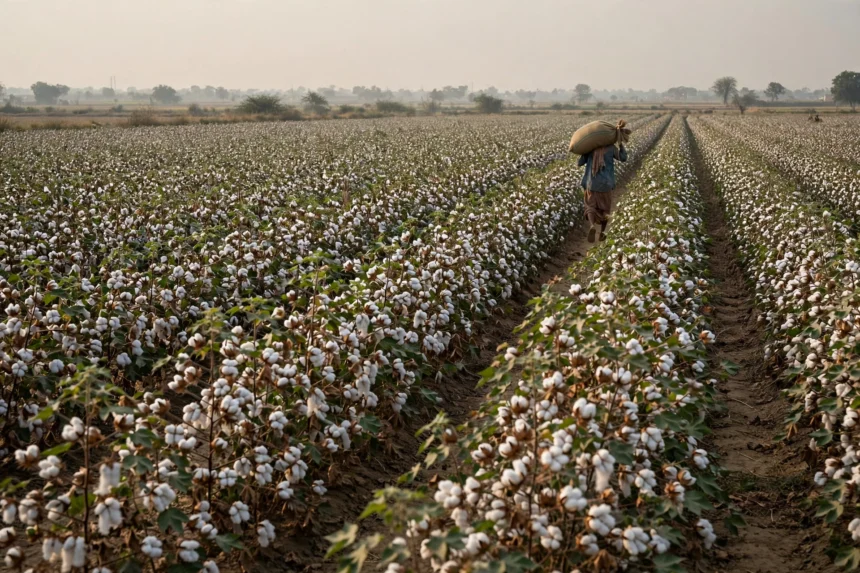
Domestic cotton prices are running above Rs 9,000 per 100 kg, higher than the government-set floor price of Rs 8,717 for the new season. That gap tells its own story: despite fresh arrivals hitting mandis, supply is not keeping pace with demand.
Patchy monsoon rains cut crop prospects in several growing regions, and trade estimates now put India’s cotton output for 2026-27 below 29 million bales, against demand of more than 34 million bales. The stock-to-use ratio, a key gauge of how tight supplies are, sits at about 31 percent, its lowest level in five years, according to S&P Global.
There is a longer-running problem underneath the numbers too. In the absence of newer seed upgrades, many farmers still plant older genetically modified cotton seeds, leaving the crop more vulnerable to pest attacks and lower yields. Until that changes, output is likely to stay under pressure season after season.
Who gains from the extension
The biggest immediate winners are textile mills and garment exporters, who buy cotton as their main raw material. Duty-free imports from the United States, Brazil and Australia would cut their input costs and help them stay competitive in export markets at a time when global buyers are watching every cent.
- Textile mills: Cheaper imported cotton lowers the cost of yarn and fabric, easing margin pressure after months of high domestic prices.
- Garment exporters: Steady raw material supply helps them meet export orders on time and hold prices for overseas buyers.
- Consumers: If mills pass on even part of the saving, clothing prices could stay steadier through the winter shopping season.
- Global suppliers: Analysts say extra Indian buying could support world cotton prices, a plus for growers in the US, Brazil and Australia.
India is the world’s second-biggest cotton producer after China, so a decision to keep importing duty-free is not taken lightly. It signals that the government is prioritising mill viability and price stability over shielding domestic growers from competition for now.
The other side of the coin
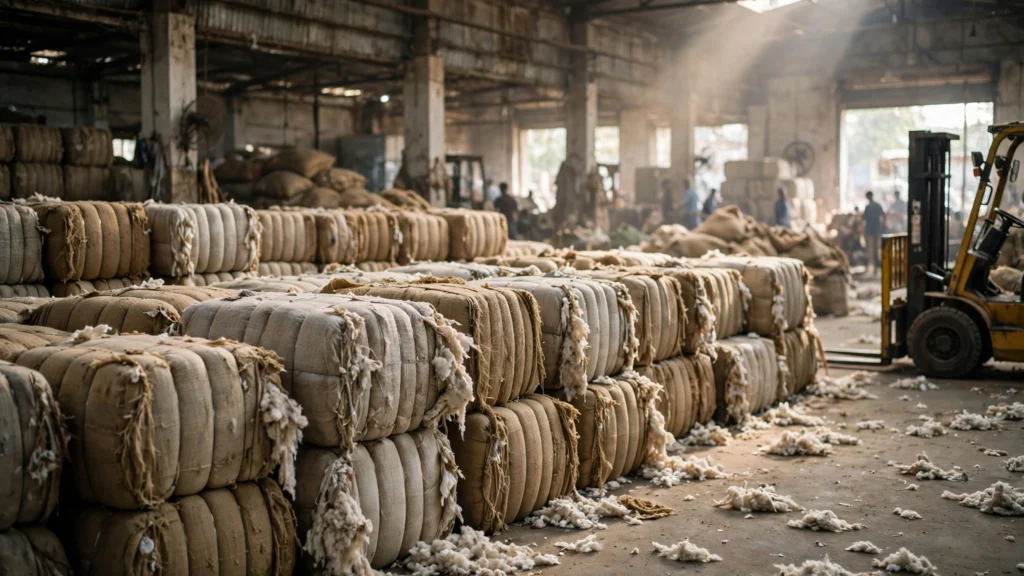
Not everyone cheers cheaper imports. Dipanshi Agarwal, principal analyst at S&P Global, cautioned that additional imports could weigh on domestic prices, which would hurt farmers hoping to sell the new crop at remunerative rates. When imported bales land cheaper than local cotton, mandi prices can slip, and growers feel it first.
That tension is at the heart of the policy. The government is trying to walk a line between keeping mills running and protecting farm incomes, and the December extension leans towards the mills. How farmers respond, and whether arrivals pick up enough to soften prices on their own, will decide whether the exemption needs to go further.
For now, the signal from New Delhi is clear: with supplies tight and the stock-to-use ratio at a five-year low, the duty-free window is set to stay open into the year-end. Mills will be watching for the formal order, and farmers will be watching mandi prices just as closely.
FAQs
Is duty-free cotton import confirmed till December?
Not yet formally. Three government and industry sources have said the government is expected to extend the exemption through December, with inter-ministerial consultations complete and an order expected soon.
What is the current duty on cotton imports?
The 11 percent customs duty on cotton imports was waived from June 1 to October 31, 2026. The proposed extension would keep that waiver in place through December end.
Why are cotton prices still high despite new arrivals?
Lower output prospects after patchy monsoon rains, a tight stock-to-use ratio of about 31 percent, and demand above 34 million bales against output below 29 million bales have kept domestic prices above Rs 9,000 per 100 kg.
Which countries will benefit from the extension?
India mainly imports cotton from the United States, Brazil and Australia, and analysts say additional buying could support global cotton prices.
Could the extension hurt cotton farmers?
Yes, that is the main concern. Extra imports could weigh on domestic prices, which would reduce what farmers earn from the new crop, even as mills benefit from cheaper raw material.
India’s cotton call will be watched closely by mills, farmers and traders alike. The formal order, when it comes, will settle a question the whole textile chain has been asking since October began.