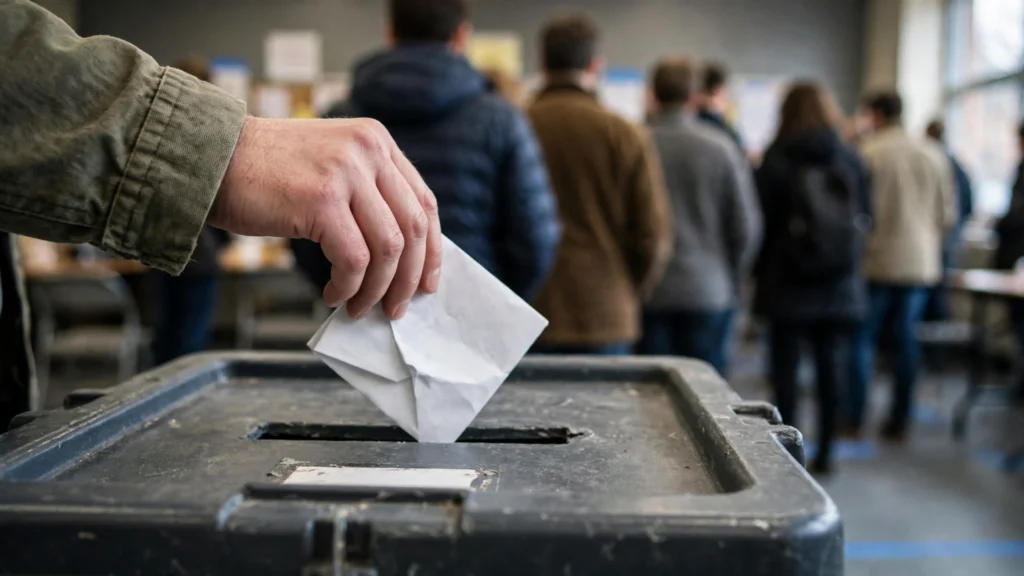
Polling stations opened across Israel at 7am on Tuesday, October 27, for an election many voters here are calling the most important in years. It is the first time Israelis have voted for parliament since the Hamas-led attacks of October 7, 2023, and the wars that followed in Gaza, Lebanon and Iran. By mid-morning, the queues told their own story.
Election officials reported that 16.7 percent of eligible voters had voted in the first three hours, the fastest early pace since 1981.
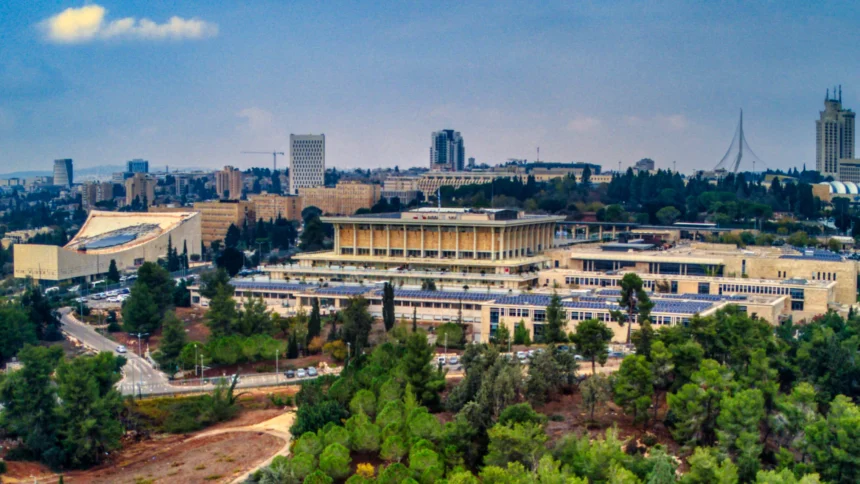
A total of 7,331,981 Israelis are eligible to vote, according to the Central Elections Committee. They are choosing the 120 members of the 26th Knesset, Israel’s parliament. Polls stay open until 10pm local time, when television channels are expected to release exit polls. About 330,000 young Israelis are voting for the first time.
A vote three years in the making
The last general election was held in 2022. The government formed after it served a full four-year term, a rarity in Israeli politics, but the years since were anything but calm. There were mass protests over judicial reforms in 2023, then the October 7 attacks, in which about 1,200 people were killed in Israel, and the long military campaigns that followed. Strains over the military conscription of ultra-Orthodox men added to the pressure before parliament dissolved in July.
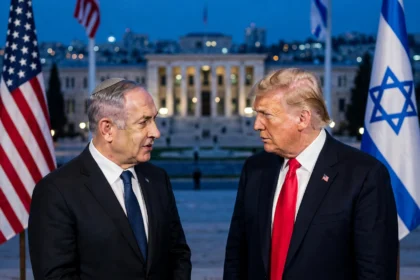
That history hangs over this campaign. Prime Minister Benjamin Netanyahu has campaigned on his security record and his close ties with United States President Donald Trump. His opponents accuse him of failing to take responsibility for the October 7 security failure and of deepening the country’s political divisions. Netanyahu, leader of the right-wing Likud party, has served as prime minister for nearly 19 years in total across three periods since 1996, making him Israel’s longest-serving leader.
Who is in the running
Israel does not vote directly for a prime minister. Voters choose a party list, and seats are shared out in proportion to each party’s vote, provided it clears a 3.25 percent threshold. Dozens of party lists are on the ballot, though only a smaller group is expected to win seats.
The main challengers to Netanyahu are former military chief Gadi Eisenkot, who leads the centrist Yashar party, and former prime minister Naftali Bennett, who heads the Together alliance alongside Yair Lapid’s camp. Eisenkot invoked the October 7 attack in his final appeal to voters, urging them to back Yashar, while Netanyahu projected a strongman image as he sought another term.
Other figures who could shape the result include Yair Golan of the Democrats, Avigdor Lieberman of Yisrael Beiteinu, Itamar Ben-Gvir of Jewish Power, Bezalel Smotrich of Religious Zionism, and Mansour Abbas, leader of the Arab party Ra’am.
How Israel votes
There are 12,018 regular polling stations across the country, including 6,208 accessible stations, staffed by around 100,000 election workers. Election day is a national holiday, with schools, kindergartens and most workplaces closed. Military voting began on October 21 at bases and outposts, including in Gaza, Lebanon and Syria, and voting also took place earlier at diplomatic missions abroad.
- Eligible voters: 7,331,981, up by 543,177 on the previous election four years ago.
- Polling hours: 7am to 10pm local time at most stations, with shorter hours at smaller stations.
- Seats to win: 120 in the Knesset, with 61 needed to form a governing majority.
- Threshold: a party must win at least 3.25 percent of valid votes to enter the Knesset.
- Official results: due by November 4, according to the Central Elections Committee.
What the early numbers show
Final television polls reported before voting began put Netanyahu’s right-wing bloc at around 50 seats, with the main opposition camp led by Eisenkot at 52 to 56. On those numbers, neither side would reach 61 on its own, which points to weeks of coalition talks after the count. Smaller parties sitting close to the threshold could still shift the balance, since a party that falls just short wins no seats at all.
That arithmetic is why Tuesday’s turnout is being watched so closely. After the polls close, the president consults the political factions and appoints a lawmaker to try to form a government. The winning party does not automatically take power. It must secure the support of at least 61 lawmakers.
Counting begins after 10pm, and the first indications will come from the exit polls. The full picture, including special ballots from soldiers, diplomats and patients, will take longer. Whatever the result, Tuesday has already made one thing clear. Three years after October 7, Israelis turned out early, in large numbers, to have their say on what comes next.
FAQs
What election is Israel holding?
Israelis are electing the 120 members of the 26th Knesset, in the first parliamentary election since October 7, 2023.
How many people can vote?
A total of 7,331,981 Israelis are eligible, including about 330,000 young first-time voters.
Who are the main contenders?
Benjamin Netanyahu of Likud, former military chief Gadi Eisenkot of Yashar, and former prime minister Naftali Bennett of the Together alliance.
How many seats are needed to govern?
At least 61 of 120. Voters elect party lists, not a prime minister directly.
When will results be known?
Exit polls are expected at 10pm local time. Official results are due by November 4.
Counting begins after polls close at 10pm. Informeia will update this story as exit polls and official results come in.