New Delhi, October 29: Some of India’s oldest classroom stories are getting a fresh role in modern education. Union Education Minister Pralhad Joshi on Thursday launched the Indian Knowledge System (IKS) Panchatantra Project, a new initiative that uses the ancient animal fables of the Panchatantra to teach young learners leadership, critical thinking, moral values and responsible citizenship.
The launch took place in New Delhi, where Joshi also inaugurated a new academic building at the National Institute of Educational Planning and Administration (NIEPA). The two events, held on the same occasion, underlined a simple message: India’s education system should move forward with new ideas while staying rooted in its own knowledge traditions.
What was launched on October 29
Joshi described the project as a significant step towards integrating India’s rich civilisational heritage into education. Speaking at the event, he said India’s education ecosystem is advancing through the National Education Policy (NEP), blending modern innovation with the timeless wisdom of Bharatiya knowledge traditions.
“The IKS Panchatantra Pariyojana is a significant step towards integrating India’s rich civilisational heritage into education, nurturing values, leadership, critical thinking and responsible citizenship among young learners,” Joshi said, according to the official account of the launch.
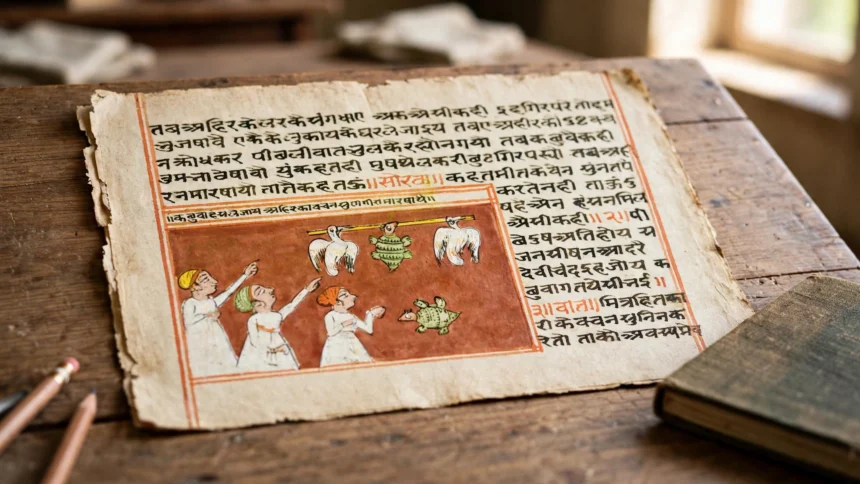
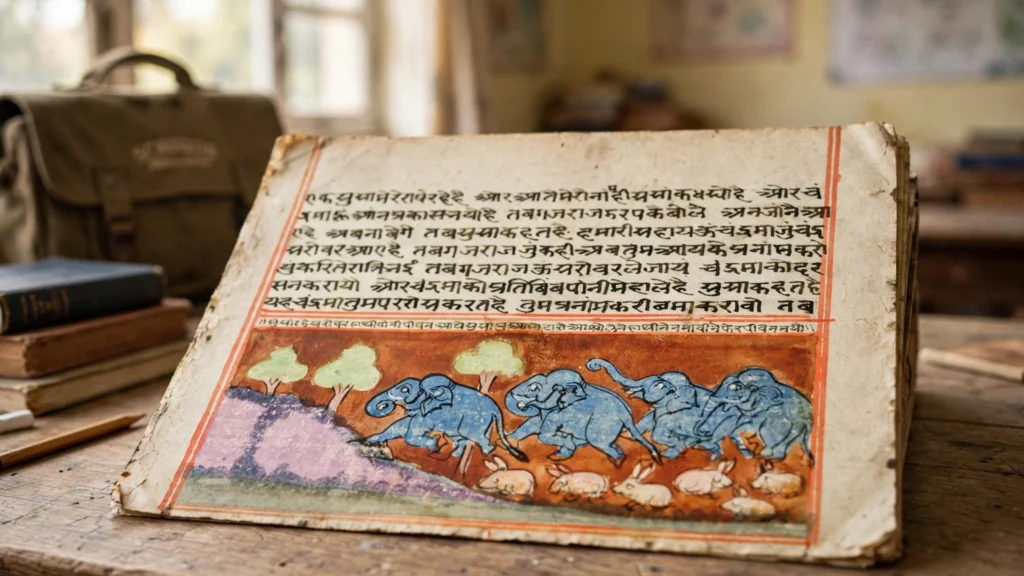
The project sits within the wider Indian Knowledge System effort, which seeks to bring India’s traditional knowledge into contemporary teaching. The Panchatantra is a natural starting point, because it teaches through stories rather than lectures. Each fable sets up a dilemma and leaves the reader to judge what worked.
Why animal fables, and why now
Teachers have long known that a story stays with a child longer than a rule. A child may forget a definition of honesty, but remembers the crow that dropped stones into a pitcher, or the tortoise that kept going. The Panchatantra works in the same way: its animals argue, cooperate and make mistakes, and the lesson arrives through the outcome.
That approach fits the direction of the NEP, which stresses understanding and discussion over rote memorisation. A fable can open a classroom conversation in a way a textbook chapter often cannot. Students can be asked what they would have done and what a better choice might have looked like. In that discussion, leadership and critical thinking are practised, not just described.
What the project aims to build
According to the minister’s remarks at the launch, the project focuses on four linked qualities in young learners:
- Values: an understanding of right and wrong that comes from seeing the consequences of choices in a story.
- Leadership: the confidence to take responsibility, listen to others and decide under pressure, as the animal characters must.
- Critical thinking: the habit of asking why something happened, rather than accepting the first answer.
- Responsible citizenship: a sense of duty to the wider community, learned through stories about cooperation and fairness.
Those are not exam topics in the usual sense. They are habits, and habits are built by repetition. A single story will not change a classroom. A regular diet of stories, discussed properly, might.
The NIEPA building, and the planning behind the policy
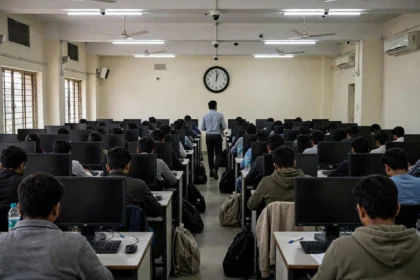
The second part of Thursday’s event deserves attention too. NIEPA works on the planning, research and training behind education policy. Its new academic building will support that work while the NEP is still being rolled out.
Good classroom ideas need good planning to reach every school. Training for teachers and material in different languages will decide whether the project becomes a lasting part of school life or a launch-day announcement.
What teachers and parents should watch next
The launch answers the question of intent. The practical questions will follow. How will the fables reach classrooms, and in which languages? What guidance will teachers receive, so a story becomes a discussion and not just a reading exercise?
None of those answers were spelled out in the launch reports on Thursday, and it would be wrong to guess them here. What is clear is the direction of travel: the government wants Indian Knowledge Systems to be a living part of education, not a separate subject studied in isolation.
For now, the story is simple. On October 29, in New Delhi, the Education Minister put one of India’s oldest teaching tools at the centre of a new project for young learners.
FAQs
What is the IKS Panchatantra Project?
It is a new Indian Knowledge System initiative launched on October 29, 2026, that uses the ancient animal fables of the Panchatantra to nurture values, leadership, critical thinking and responsible citizenship among young learners.
Who launched the project?
Union Education Minister Pralhad Joshi launched the project in New Delhi on Thursday, October 29, 2026.
What else happened at the event?
Joshi also inaugurated a new academic building at the National Institute of Educational Planning and Administration (NIEPA) on the same occasion.
How does the project connect to the National Education Policy?
The minister said India’s education ecosystem is advancing through the NEP, blending modern innovation with the timeless wisdom of Bharatiya knowledge traditions.
What skills will the Panchatantra stories focus on?
Leadership, critical thinking, moral values and responsible citizenship, taught through stories where animal characters face dilemmas and make choices.
Informeia will follow the rollout of the IKS Panchatantra Project and report further details as they are announced.