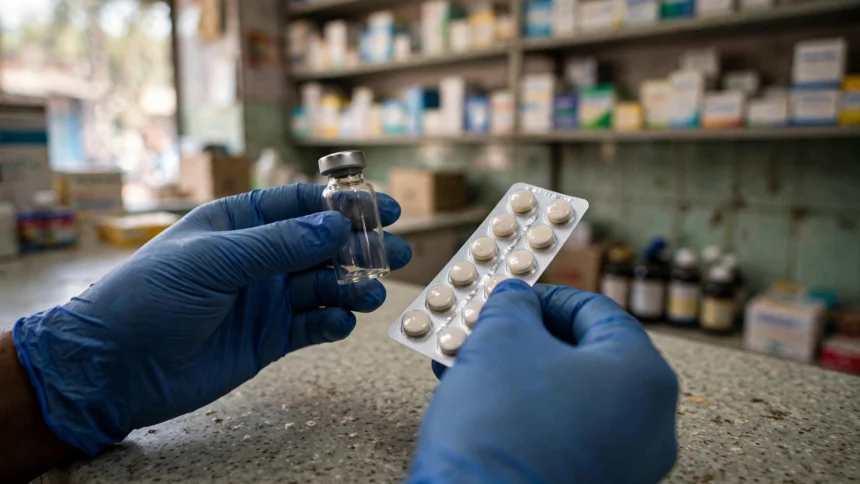
For lakhs of families paying for cancer treatment in India, the bill at the pharmacy counter is often the hardest part of the fight. From November 9, 2026, that bill should get lighter for many of them. The National Pharmaceutical Pricing Authority (NPPA) has revised the maximum retail prices (MRPs) of 543 anti-cancer drug brands, and some cuts run as deep as 90 percent.
The revision covers 137 non-scheduled anti-cancer drugs and follows the government’s October 17 decision to cap trade margins on those drugs at 30 percent. In plain terms, middlemen between manufacturer and patient can no longer take as large a cut, and the saving is meant to reach the buyer.
Why prices are falling now
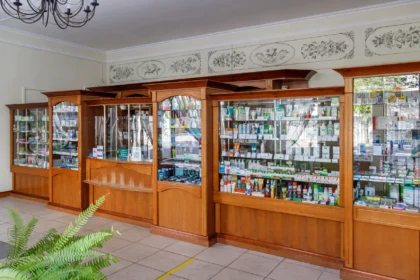
Cancer drug pricing has been under the scanner for months. The Supreme Court has pressed the Centre on steep medicine mark-ups and the narrow reach of price controls, drawing attention to what private hospitals charge for cancer care. The NPPA’s revised list is the regulator’s answer to that pressure. Hospitals and pharmacies must charge the new prices from November 9, and display the revised lists.
Which medicines get cheaper
The biggest cuts are in generic chemotherapy drugs and Indian-made biosimilars for breast, prostate, colon, ovarian and cervical cancers. Some examples from the revised list:
- Anastrozole (1 mg, strip of 10 tablets): down from Rs 695.76 to Rs 73, a cut of nearly 90 percent.
- Fulvestrant (5 ml vial): down from Rs 26,072.16 to Rs 5,491, a cut of over 78 percent.
- Bevacizumab (100 mg/4 ml injection): down from Rs 21,767.70 to Rs 5,930.10.
- Denosumab (60 mg injection): down from Rs 22,031.25 to Rs 5,941.
- Azacitidine (100 mg injection): down from Rs 6,337 to Rs 1,495.04.
- Dasatinib (20 mg, pack of 60 tablets): down from Rs 2,812.50 to Rs 1,085.93.
Oncologists quoted in news reports say the cuts could help patients who have been forced to stop treatment midway because they ran out of money. Early estimates cited in news reports put the annual saving for patients at Rs 2,500 crore to Rs 3,500 crore, though the final figure will depend on how widely the revised prices are actually charged.
What does not get cheaper
The relief is real, but it is not universal. Patients should know the limits before walking into a pharmacy expecting every cancer drug to cost less.
First, an analysis reported in the press found that 146 of the 543 formulations showed no change in MRP, while another 21 recorded reductions of less than Rs 100. Second, patented drugs from multinational companies, such as pembrolizumab, durvalumab and enfortumab, are likely to be largely unaffected, since the exercise targets non-scheduled formulations. Third, analysts caution that manufacturers could blunt the effect by raising the base price, because the cap governs only the spread between the stockist price and the MRP.
The NPPA list is also a moving document. It reflects manufacturer submissions received up to October 27, and it will be updated as more companies file revised prices. A medicine that shows no cut today could appear in a later update.
What patients should check from November 9
- Compare the exact brand, strength, dosage form and pack size on the NPPA website or the Pharma Sahi Daam app. A price for one strength does not apply to another.
- Ask the pharmacy or hospital to show the revised price list. From November 9, they must charge no more than the revised MRP for covered medicines.
- Keep the bill and check the MRP printed on the pack against the revised list. If the two do not match, raise it with the pharmacist first, and then with the state drug controller.
- Do not change or stop any medicine on price alone. Any change must come from the treating oncologist.
This is not the first time the regulator has tried this route. A similar exercise in 2019, covering 42 non-scheduled anti-cancer drugs, reduced the MRPs of 526 brands, with reported cuts of up to 91 percent. The latest order is much wider, and its test will be enforcement: whether every pharmacy and hospital actually bills the new price from November 9.
FAQs
From when do the new cancer drug prices apply?
From November 9, 2026. Pharmacies and hospitals must charge the revised MRPs from that date.
How many cancer drug brands are covered?
543 brands across 137 non-scheduled anti-cancer drugs, based on manufacturer submissions received up to October 27.
Are all cancer medicines now up to 90 percent cheaper?
No. Some select medicines fall by up to 90 percent, but 146 formulations show no change, and patented drugs are likely to be largely unaffected.
How can I check the new price of my medicine?
Check the exact brand, strength, dosage form and pack size on the NPPA website or the Pharma Sahi Daam app, and ask the pharmacy to show its revised price list.
What should I do if a pharmacy charges the old price after November 9?
Point out the revised MRP, keep the bill, and escalate to the state drug controller if the pharmacy refuses to correct it. Do not stop treatment over a billing dispute.
A price cut will not remove the burden of cancer treatment, but for many families, a smaller bill from November 9 could mean one less reason to stop treatment midway. That is what this revision will be judged on.