The voter lists in five states heading to assembly elections have shrunk sharply after the Special Intensive Revision (SIR), with official data released on November 2 showing a net fall of about 2.29 crore voters across Uttar Pradesh, Uttarakhand, Goa, Punjab and Manipur.
Put together, the electorate in these five states has come down from about 18.71 crore before the revision to 16.43 crore in the final rolls. That is a net reduction of roughly 12.2 per cent, and it lands just months before polls that the Election Commission has said could be held early next year.
Uttar Pradesh alone accounts for nearly 90 per cent of the total drop, and the very different pattern in smaller states like Goa is now set to shape the political argument in the run-up to the elections.
Uttar Pradesh drives almost the entire fall
In Uttar Pradesh, which went through SIR in phase two, the number of electors stood at 15.44 crore before the exercise. The draft roll cut that figure to 12.56 crore. After claims and objections were heard, the final roll settled at 13.40 crore.
The net loss in the state is therefore around 2.04 crore voters, or 13.24 per cent, the steepest percentage fall among the five states. The draft stage had removed about 2.89 crore names, and about 0.84 crore of them, roughly 29 per cent, were restored before the final roll was published.
How the other four states compare
The picture outside Uttar Pradesh is smaller in absolute numbers but still significant in percentage terms, and no two states moved in quite the same way.
- Punjab: Electors fell from 2.15 crore to 1.94 crore in the draft, then recovered to 2.01 crore. Net loss about 0.14 crore, or 6.34 per cent, with the strongest recovery, about 34 per cent of draft deletions coming back.
- Uttarakhand: The roll went from 0.80 crore to 0.71 crore in the draft and ended at 0.72 crore. The net loss is about 0.08 crore, or 10.07 per cent. Only about 0.0025 crore names returned, around three per cent of draft deletions.
- Manipur: Electors moved from 0.209 crore to 0.193 crore in the draft and finished at 0.196 crore. The net loss is about 0.013 crore, or 6.33 per cent, similar to Punjab. About 17 per cent of draft deletions were restored.
- Goa: The roll fell from 0.1185 crore to 0.1085 crore in the draft, then fell further to 0.1058 crore in the final roll. The net loss is nearly 0.013 crore, or 10.76 per cent. Goa is the only one of the five where the final roll is smaller than the draft, so there was no net restoration at all.
Why this revision is politically sensitive
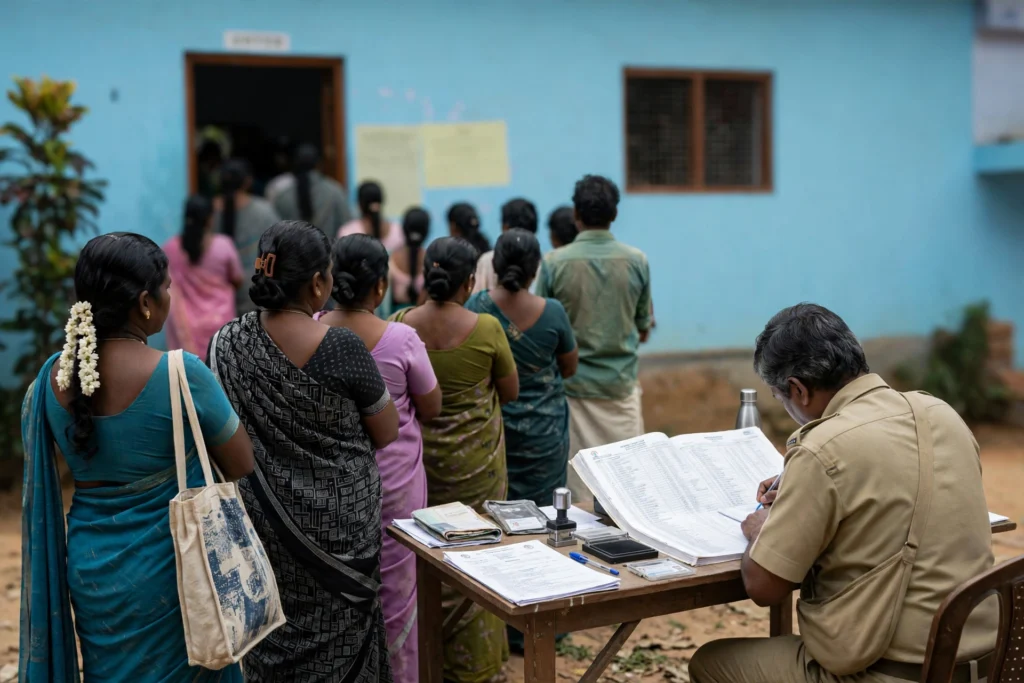
SIR has been one of the most contested election issues of recent months. Opposition parties, led by the Congress and the INDIA bloc, have alleged large-scale wrongful deletions and demanded the rollback of the exercise and the resignation of Chief Election Commissioner Gyanesh Kumar. The government and the BJP have defended the revision as a clean-up of the rolls.
The new state-wise data will feed both arguments. Supporters will point to the restoration figures, especially in Punjab and Uttar Pradesh, as proof that genuine voters had a route back onto the rolls. Critics will point to the sheer size of the net fall, and to Uttarakhand’s tiny recovery rate, and ask how many eligible voters never made it back.
What happens next before the polls
The Election Commission has ordered a special summary revision in 17 states, and has noted that assembly polls in these five states could be held early next year. The ongoing summary revision is meant to give left-out voters a fresh chance to get included in the rolls, and young voters who turn 18 on or before January 1 will also get an opportunity to enrol.
The assembly terms give a sense of the timetable. The 403-member Uttar Pradesh assembly’s term ends on May 22 next year, while the Manipur, Goa, Punjab and Uttarakhand assemblies’ terms end on different dates in March 2027. Under the Representation of the People Act, 1950, the Election Commission can hold polls earlier than six months before a term expires.
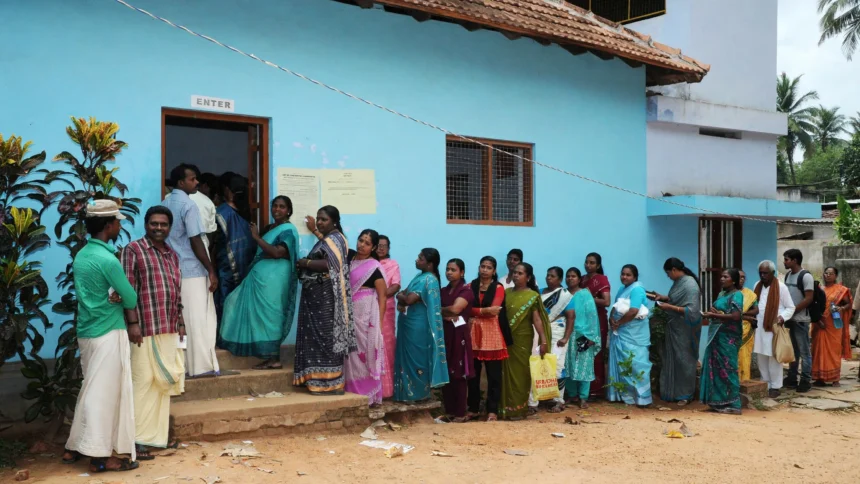
For voters, the practical message is simple: check the roll now, not on polling day.
Frequently asked questions
How many voters were removed in total?
Across the five states, the electorate fell from about 18.71 crore to 16.43 crore, a net reduction of around 2.29 crore, or about 12.2 per cent.
Which state saw the biggest fall?
Uttar Pradesh, with a net loss of around 2.04 crore voters, or 13.24 per cent, accounting for nearly 90 per cent of the total drop.
Why did the draft and final rolls differ?
The draft roll is published for scrutiny. Claims and objections are then heard, and names are restored or removed before the final roll is published. In Uttar Pradesh, about 0.84 crore draft deletions were restored.
Which state was the exception?
Goa. It is the only one of the five where the final roll is smaller than the draft roll, falling from 0.1085 crore to 0.1058 crore.
Can a missing voter still get added?
Yes. The ongoing special summary revision is intended to let left-out voters enrol, including young voters turning 18 on or before January 1.
The SIR numbers are now on the record, and they will be argued over all the way to polling day.