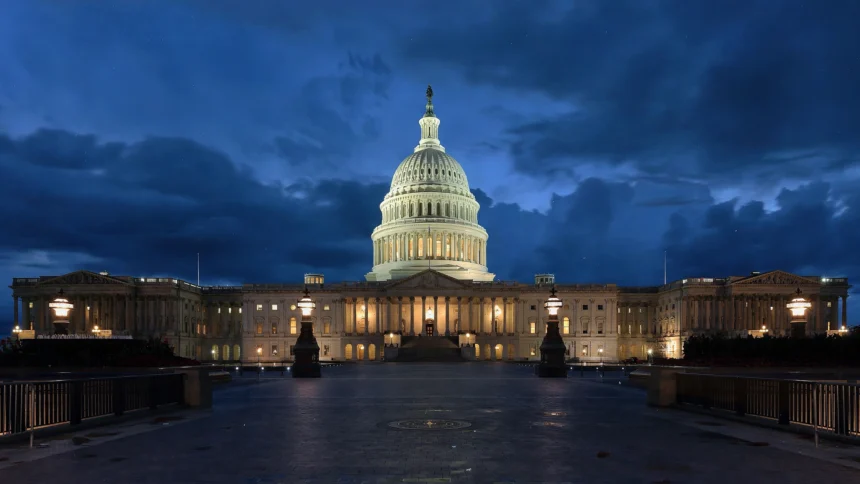
Washington is on alert after US intelligence indicated that Iran is drawing up plans for a possible dirty bomb or chemical weapon attack in the American capital. CNN reported the intelligence on 16 November, citing seven US officials, saying the planning targets senior officials in President Donald Trump’s administration. The report has prompted contingency planning in Washington, even as officials stress there is no sign of an imminent attack.
The White House said it was monitoring all potential threats but that there were no credible threats to the homeland. Iran has firmly denied the claims, calling them false and fabricated.
What the intelligence says
According to CNN, the intelligence describes Iranian planning that is unusually specific, including locations and targets in Washington. Two sources said the detail prompted several meetings on possible US responses. Officials also picked up Iranian communications claiming bomb-making materials had been stashed inside the US, though they are divided on whether that claim is credible.
The sources stressed what the intelligence does not show: for now, the planning gives Tehran options, not a sign that an attack is about to happen, and there is no evidence Iran has decided to move forward. One source noted that nuclear material may have been hidden in the US for decades, and that what is new is Iran’s incentive to use it, not its capacity to do so.
The same reporting says the US is also watching intelligence about a possible Iranian chemical weapon attack on American troops in the Middle East, with contingency plans being drawn up for diplomatic and intelligence staff in the region.
What the White House said
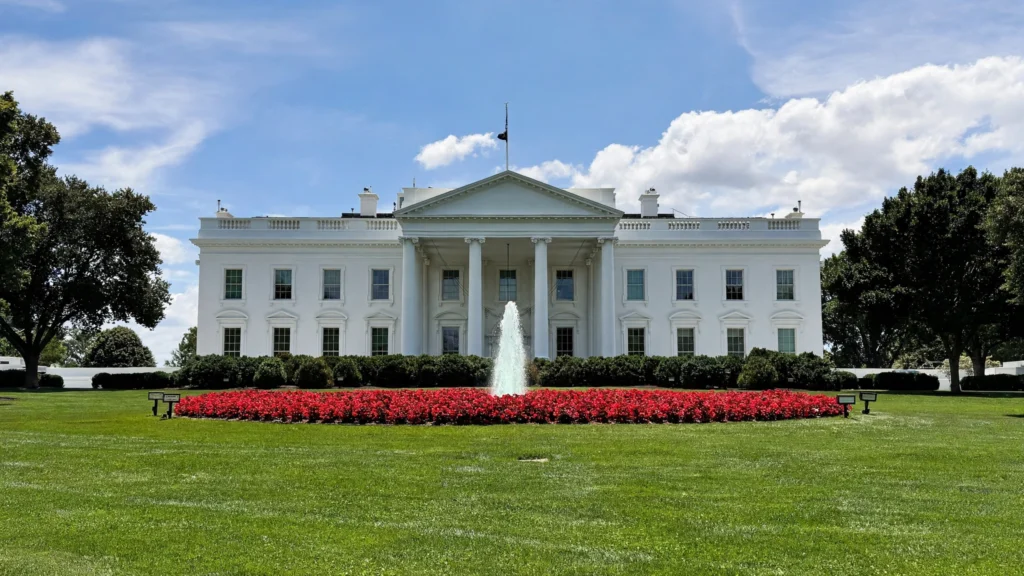
White House spokesperson Lauren Bis said the administration was monitoring all potential threats, but that there are no credible threats to the homeland. The Defense Department referred questions to the Office of the Director of National Intelligence, which declined to comment.
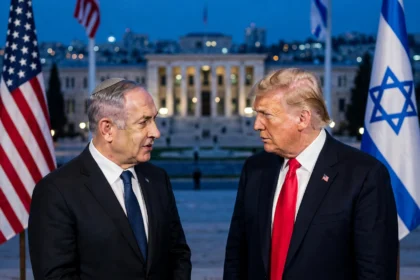
Asked about the report on Tuesday, President Trump said Iran would “pay a price the likes of which no country has ever paid before” if it attacked Washington, adding that his administration was taking the matter seriously.
What Iran said
Iran’s mission to the United Nations said Tehran “categorically rejects and unequivocally refutes the false and fabricated allegations” and considers the use of chemical weapons wholly illegitimate under any circumstances.
Foreign Ministry spokesman Esmaeil Baghaei dismissed the report as baseless, saying those who started the war were attempting to manufacture a veneer of legitimacy for further aggression and atrocities.
What is a dirty bomb?
A dirty bomb is not a nuclear weapon. It uses conventional explosives to scatter radioactive material over an area. The blast itself would be limited, but the contamination, panic and clean-up would be the real damage. That distinction matters, because the fear a dirty bomb creates is often larger than the physical destruction it causes.
Why it matters
The report matters less for what it proves than for what it signals. As US strikes and a punishing economic blockade squeeze Iran, Tehran appears to be weighing options that would bring the confrontation onto American soil, a sharp escalation in intent even if the capability is unproven and no decision has been taken.
It also lands when diplomacy has stalled. Talks to end the US-Israel war on Iran have gone nowhere, and Trump said last week that Washington does not “need” a deal. When talks stall and pressure rises, both sides plan for the worst, and that planning itself can be misread as preparation for an attack.
For India, the stakes are indirect but real. A wider US-Iran confrontation would rattle oil prices and shipping through the Gulf, where millions of Indians live and work, and any sharp move in crude feeds straight into India’s import bill and fuel prices.
What to watch next is whether the US issues a formal public warning, whether the two sides find a way back to talks, and whether strikes in the Gulf ease or grow louder.
The escalation so far
- US strikes and a punishing economic blockade pile pressure on Tehran.
- Talks to end the US-Israel war on Iran stall.
- 16 November: CNN reports, citing seven US officials, that Iran is developing plans for a dirty bomb or chemical attack in Washington.
- 17 November: Trump warns Iran of an unprecedented price for any attack on Washington; Iran denies the report as fabricated.
- What next: watch for a formal US warning, any return to talks, and the course of strikes in the Gulf.
FAQs
Is an attack imminent?
No. The planning gives Iran options, with no evidence of a decision to proceed, and the White House says there are no credible threats.
What is a dirty bomb?
A conventional explosive that scatters radioactive material. It is not a nuclear weapon, but it can contaminate an area and cause widespread panic.
Has Iran responded?
Yes. Its UN mission called the allegations false and fabricated, and its foreign ministry spokesman dismissed the report as baseless.
What did Trump say?
He warned that Iran would “pay a price the likes of which no country has ever paid before” if it attacked Washington.
Why is this coming out now?
It comes as US strikes and a blockade squeeze Iran while talks to end the US-Israel war on Iran have stalled.
This is a developing story. The claims rest on unnamed US officials and have not been independently verified. We will update this article as American and Iranian officials respond further.