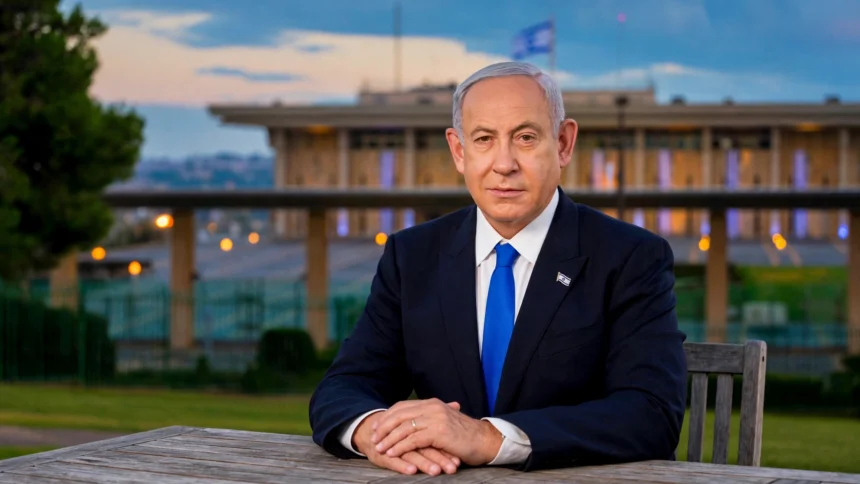
Jerusalem woke up on Friday to a result that settles one question and opens several others. Prime Minister Benjamin Netanyahu finished first in Israel’s 2026 election, but he did not win the majority he needed. His right wing bloc took 53 seats in the 120 member Knesset, eight short of the 61 required to govern on its own. The opposition took 48. The remaining 19 went to Arab led parties, and in a parliament this divided, those 19 seats may decide who governs next.
The final count, published on Friday, October 30, leaves Israel with a hung parliament and coalition talks that could stretch for weeks. No camp can simply claim victory and move on.
The numbers behind the hung parliament
Netanyahu’s Likud remains the largest single party, with 27 seats. That matters in coalition talks, because the leader of the largest party usually gets the first serious hearing from the president. But size alone does not make a government. Netanyahu’s bloc, which includes Likud, United Torah Judaism with seven seats, Otzma Yehudit with seven, Shas with six and the Religious Zionist Party with six, adds up to 53.
The opposition bloc, led by former military chief Gadi Eisenkot, took 48 seats. Eisenkot’s Yashar won 21, Naftali Bennett’s B’Yachad won 12, The Democrats won eight and Yisrael Beytenu won seven. That is a respectable second place, but it is also 13 seats short of a majority. Neither side, in other words, is close enough to govern without help from outside its own camp.
The full party picture explains why the arithmetic is so tight:
- Netanyahu bloc, 53 seats: Likud 27, United Torah Judaism 7, Otzma Yehudit 7, Shas 6, Religious Zionist Party 6
- Opposition bloc, 48 seats: Yashar 21, B’Yachad 12, The Democrats 8, Yisrael Beytenu 7
- Arab led parties, 19 seats: Joint List 11, Ra’am 8
Compared with the last election, the shift is clear. Netanyahu’s bloc is down from 64 seats, while the Arab led parties have nearly doubled their share. The opposition bloc has edged up slightly. The result is not a rejection of one man so much as a fragmentation of the whole parliament.
Why the Arab parties matter now
For years, Arab parties in Israel have often been treated as outsiders to government formation, courted for votes in parliament but rarely invited into the room where coalitions are built. This count changes that calculation, at least for now. With 19 seats between them, the Joint List and Ra’am hold the balance of power in a way they have not held before.
That does not mean a deal is simple. The Joint List and Ra’am are distinct parties, and any bloc that wants their support will have to offer something real in return, on budgets, local services and housing. Parties on the right and in the centre will also have to weigh what their own voters will accept.
What happens next
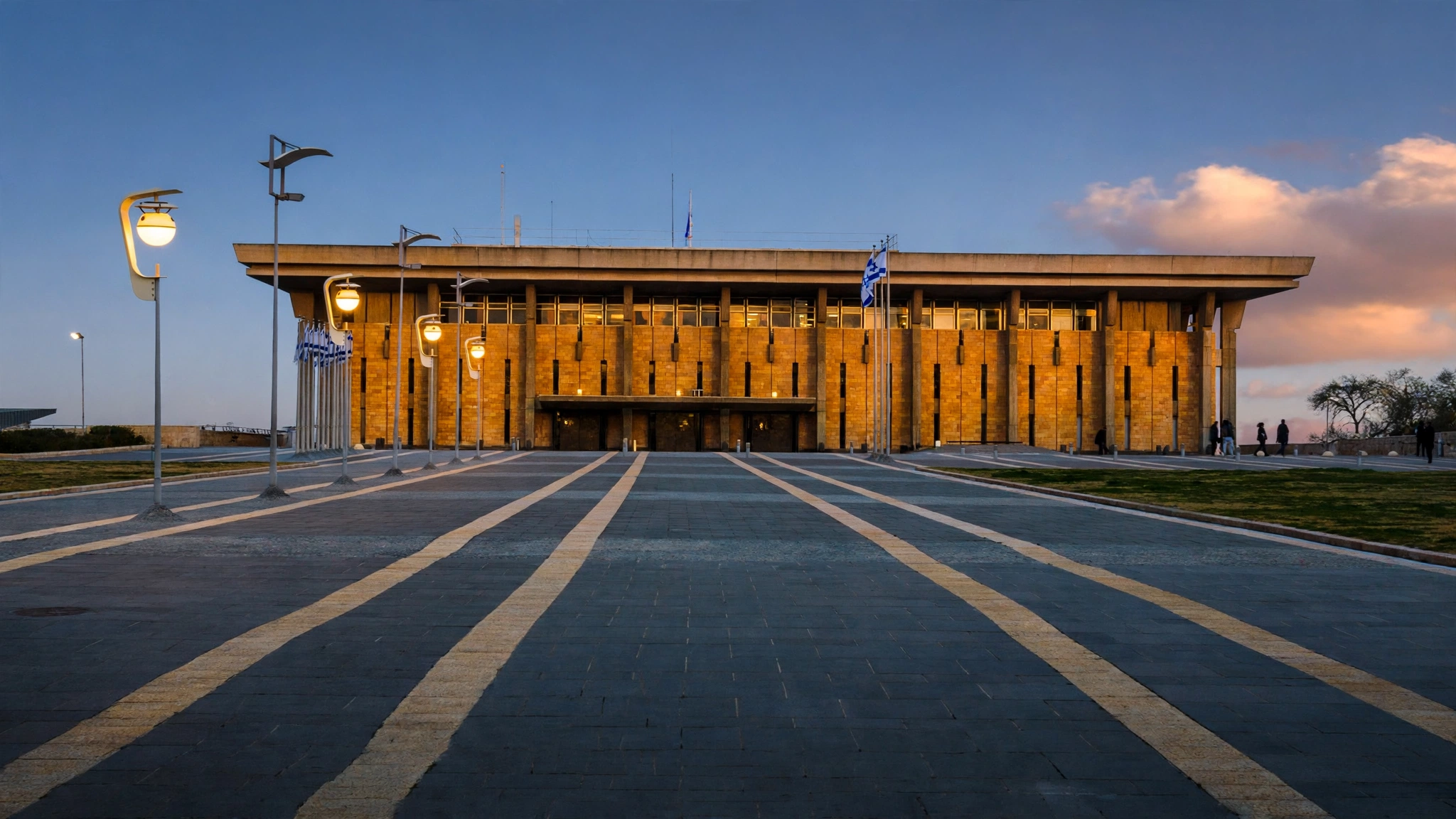
The formal process now moves to President Isaac Herzog. The final results are expected to be presented to him on November 4, after checks for errors or inquiries. He will then consult party leaders and ask the candidate he judges most likely to assemble a majority to try to form a government. The new Knesset is due to be sworn in on November 10.
That timetable gives party leaders a few days to test the ground, but it does not remove the hard choices. Netanyahu could try to peel away parties or lawmakers from the opposition, or seek an arrangement that gives Arab parties a role without a full coalition partnership. Eisenkot could try the same from the other side, arguing that a first place finish without a majority is not a mandate to govern.
What this means beyond Israel
For India and other countries watching from outside, the immediate interest is stability. Israel is a significant defence and technology partner, and prolonged political uncertainty rarely helps long term planning.
For now, the headline is simple. Netanyahu won the most seats. Nobody won outright. The next government will be decided in the negotiating rooms of Jerusalem, where 19 seats suddenly carry more weight than ever.
FAQs
Who won the Israel election 2026?
No bloc won a majority. Netanyahu’s bloc finished first with 53 seats, ahead of the opposition bloc with 48 and Arab led parties with 19.
How many seats are needed for a majority in the Knesset?
A government needs 61 seats in the 120 member Knesset.
Which party won the most seats?
Netanyahu’s Likud won 27 seats, making it the largest single party, followed by Yashar with 21 and B’Yachad with 12.
Why are Arab parties important in this election?
The Joint List and Ra’am together won 19 seats. Since neither major bloc reaches 61 on its own, their support could be decisive in coalition talks.
What happens next in Israel?
Final results are expected to go to President Isaac Herzog on November 4. He will consult party leaders and task a candidate with forming a government, and the new Knesset is due to be sworn in on November 10.
Israel’s voters have delivered a parliament that demands compromise. Whether its politicians can deliver it is now the question that matters most.