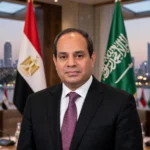
Thiruvananthapuram is used to big ideas in public health. It is the state that flattened Nipah outbreaks, runs palliative care through neighbourhood networks, and screens lakhs of people for lifestyle diseases every year. So when Chief Minister V D Satheesan announced that Keralam would build a comprehensive new model for wellness and longevity, it sounded like business as usual for the healthiest state in the country. Within days, it has turned into a full-blown controversy instead.
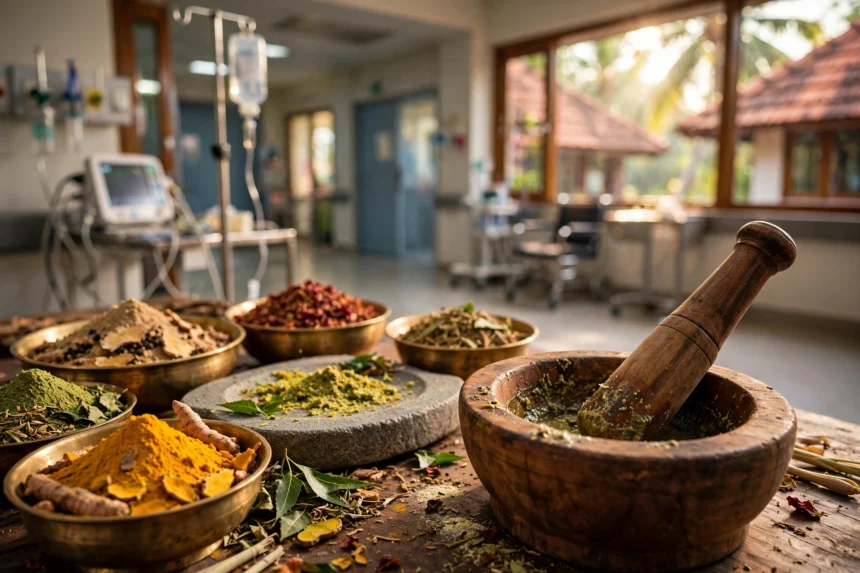
The flashpoint is a word doctors here dislike intensely: mixopathy. It is the critical term modern medicine doctors in India use for the blending of allopathy with traditional systems such as ayurveda. And a new 16-member task force, the Kerala Holistic Model for Health, Wellness and Longevity Task Force, has put that old quarrel back on the front page.
What the new task force is supposed to do
On paper, the plan is ambitious and hard to argue with. The CM says this is the first time in the country that a state is implementing a comprehensive project covering disease prevention, early diagnosis, quality treatment, and healthy ageing. The committee will study disease patterns, the growing elderly population, and the state of healthcare facilities, and it will submit its report within two months.
The task force held its maiden meeting on October 12, with the top brass of the health administration in the room. Its membership mixes top health officials with heavyweights from both worlds: Mahajan Imaging chairman Harsh Mahajan, Global Hospital chairman Dr Kancharla Ravindranath, Jiva Ayurveda chairman Pratap Chauhan, and Arya Vaidya Sala chief physician Dr PM Varier, among others. Minister K Muraleedharan is the vice-chair.
Why doctors are alarmed
The objection is not to wellness or longevity. It is to how the programme was put together, and to one feared outcome: that the integration of ayurveda into public health centres gets pushed through under the cover of a holistic model.
Critics allege that senior health department leaders were kept in the dark while the proposal was being shaped. One source told the New Indian Express that integrating ayurveda into public health centres is controversial and not suitable for Keralam, which already has a good network of AYUSH institutions. The Indian Medical Association continues to oppose mixopathy at the national level, even though national policy talks about mainstreaming AYUSH, and the IMA’s state leadership has already started deliberating on the task force’s plans.
The fear among modern medicine doctors is straightforward. Once treatment protocols start mixing systems inside government hospitals, they argue, it becomes nearly impossible to draw lines on evidence, dosage, or accountability when something goes wrong. Ayurveda practitioners make the opposite case: that an integrative approach is the future, and that refusing it leaves patients going to two doctors and paying twice.
The data privacy worry nobody saw coming
Mixopathy is only one half of the criticism. The other is about the screening programme itself. The new proposal puts diagnostics at its centre, which means large volumes of patient health data moving through the system. With private companies expected to participate, public health experts are asking uncomfortable questions about where that data goes and who gets to see it.
The concern carries weight because Keralam already runs big screening drives. About 20 lakh people have been screened under existing non-communicable disease programmes, and critics say that should have been expanded instead of building a parallel structure. As one expert put it, when private companies are involved, the provisions for patient data privacy assume real importance.
What happens next
The task force has two months to submit its report, which means the outline of the new model should be public by mid-December. That window will decide whether the programme becomes a genuine national template for healthy ageing or another round in India’s endless allopathy-versus-AYUSH war.
FAQs
What is the Kerala Holistic Model for Health, Wellness and Longevity Task Force?
A 16-member committee set up by the Keralam government to design a comprehensive model for disease prevention, early diagnosis, quality treatment, and healthy ageing. It must submit its report within two months.
What is mixopathy, and why is it controversial?
Mixopathy is a term coined by modern medicine doctors for the practice of combining allopathy with traditional systems such as ayurveda. The IMA opposes it, arguing it weakens evidence-based care, while AYUSH practitioners see integration as the future of medicine.
Who is leading the new health initiative?
Chief Minister V D Satheesan is driving the programme, with Minister K Muraleedharan as the task force’s vice-chair. Members include top health officials, hospital chairmen, and AYUSH leaders.
Why are experts worried about patient data?
The proposal centres on large-scale diagnostics with private companies involved. Experts warn this could expose patient data unless strong privacy and consent rules are built in from the start.
How many people has Keralam already screened under existing programmes?
About 20 lakh people have been screened under the state’s existing non-communicable disease initiatives, which critics say should have been expanded instead of launching a parallel programme.
The Keralam model could genuinely become India’s first blueprint for healthy ageing. Whether it does will depend less on its wellness rhetoric and more on two very unglamorous things: clear lines between medical systems, and airtight rules for patient data. Informeia will track the task force’s report as it develops.