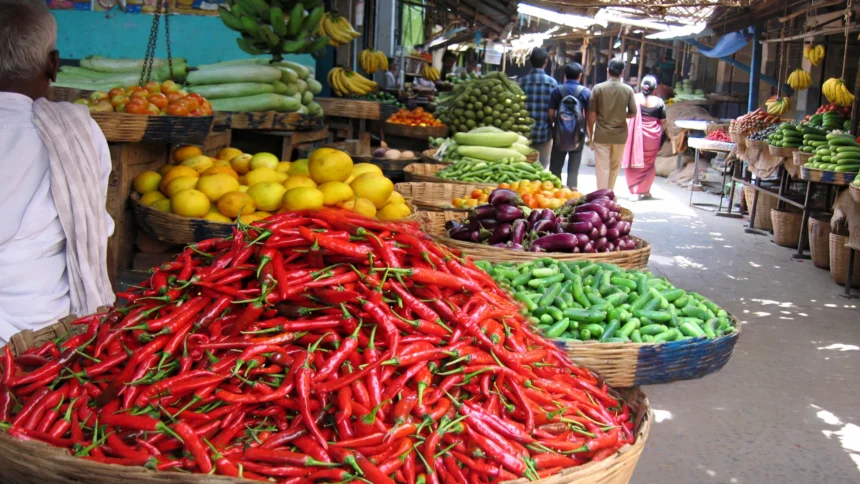
Walk through a village market in India this week and you will see two stories side by side. Older shoppers are weighing every purchase a little longer, checking prices and putting things back. Younger shoppers, phone in hand, are trying something new: a different snack, a face wash they saw online, a wellness product a creator recommended. A major new report says both stories are true at once, and that split is shaping how rural India spends.
The Rural Barometer Report 2026, released on Tuesday by WPP Media and Kantar, looks at how rural consumers feel about money, what they buy, and how they discover brands. It surveyed rural mobile phone users across 12 state groupings in June 2026, compared with February 2025. The headline finding is not a simple boom or slump. It is careful, deliberate spending, led by the youngest adults in the village.
What the report found
More than half of rural households, over 53 per cent, said their spending was unchanged or lower over the previous six months. At the same time, impulse buys and small treats are entering baskets, and some families are still investing selectively in durables and electronics. Households are balancing everyday essentials with small indulgences and bigger-ticket aspirations, the report notes. The same family can be cautious about a staple and still willing to try a new convenience food or grooming product.
The income squeeze behind the caution
The caution has a clear cause. The share of rural adults who said their monthly household income had risen over the previous six months fell to about 14 per cent in June 2026, down from 29 per cent in the 2025 study. Among consumers whose expenditure had increased, the proportion reporting higher spending fell to 77 per cent, from 91 per cent a year earlier.
Puneet Avasthi, Director, Specialist Business, South Asia, at Kantar India, put it plainly: consumers have started becoming a lot more cautious with the money they are spending and are making deliberate choices on where to spend. Abhishek Singh of WPP Media India added that younger shoppers are not insulated from the same pressures. They are also just as impacted, he said, even as their baskets grow wider.
Gen Z is shopping differently
The clearest growth engine is Gen Z, rural consumers aged 18 to 29. The group accounts for 33 per cent of rural mobile users and now buys across an average of 19.1 product categories a month, up from 17.0 in February 2025. That is the widest repertoire of any age group. Millennials aged 30 to 45 stayed broadly flat at 18.0 categories, while consumers over 45 narrowed their baskets to 16.7, from 17.2.
The extra width comes mostly from discretionary and wellness-led choices:
- Convenience food: Gen Z’s basket grew 27 per cent to 5.9 categories, against 18 per cent growth across rural India. Ready-to-eat snacks and packaged foods lead the shift.
- Health and wellness: the basket expanded 36 per cent among Gen Z, compared with 21 per cent overall.
- Personal grooming: purchases rose 9 per cent among Gen Z, even as the category stayed flat across rural India. Face wash and hand wash are seeing stronger uptake, particularly among younger consumers and women.
Phones, influencers and AI in the basket
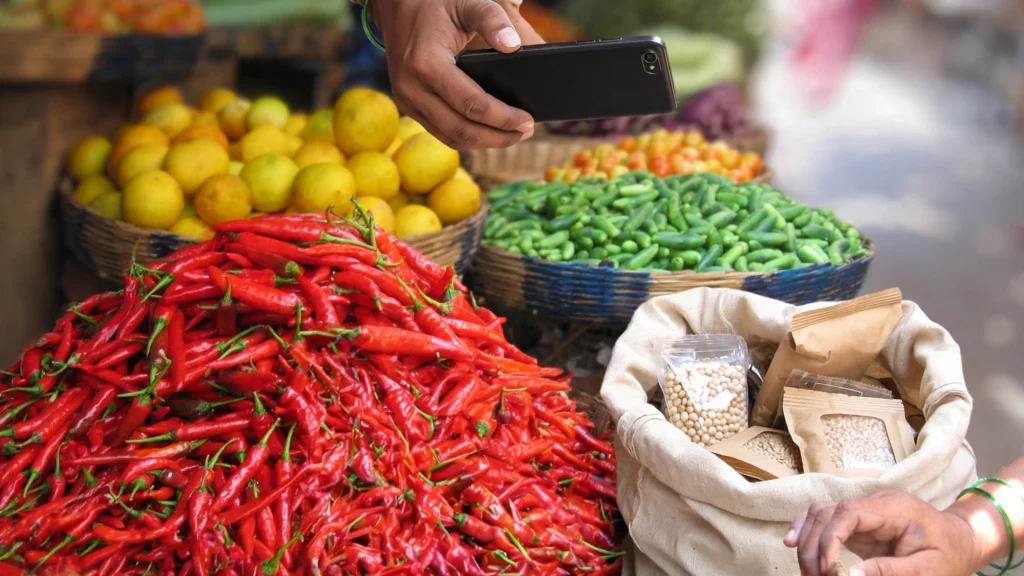
Gen Z spends an average of 115 minutes a day online, against a rural average of 93 minutes, and 39.4 per cent shopped online, compared with 29.6 per cent across rural India. About one in three rural adults follows online influencers, rising to about four in ten among Gen Z. Most followers trust the advice they see, and more than half take action after watching creator content, even if only a small share buys directly on the spot.
Artificial intelligence is now an everyday tool. More than half of rural consumers, 52.6 per cent, use at least one AI-enabled feature, rising to 60.4 per cent among Gen Z. Common uses are practical: shopping with a product image, image filters and voice-to-text. More than 83 per cent of rural adults consider local-language content essential, with Hindi the most consumed language.
What it means for brands, and for shoppers
For brands, the report warns against a single rural playbook. A value pack that works for a cautious household head may miss a 24-year-old who discovers products through a creator and buys a small pack first. For shoppers, the picture is more hopeful than the income numbers alone suggest. Even under pressure, rural households are finding room for choice. If incomes steady, the wider baskets Gen Z is building now could turn into lasting habits.
FAQs
What is the Rural Barometer Report 2026?
A study of rural consumer sentiment, spending and media behaviour by WPP Media and Kantar, released on 28 October 2026, based on a survey in June 2026 compared with February 2025.
How many product categories does rural Gen Z buy?
An average of 19.1 categories a month, up from 17.0 in February 2025. Gen Z, aged 18 to 29, makes up 33 per cent of rural mobile users.
Why are rural consumers spending more cautiously?
Only about 14 per cent reported a rise in monthly household income over the previous six months, down from 29 per cent in 2025, while rising costs made households more deliberate.
How common is AI use among rural consumers?
About 52.6 per cent use at least one AI-enabled feature, rising to 60.4 per cent among Gen Z.