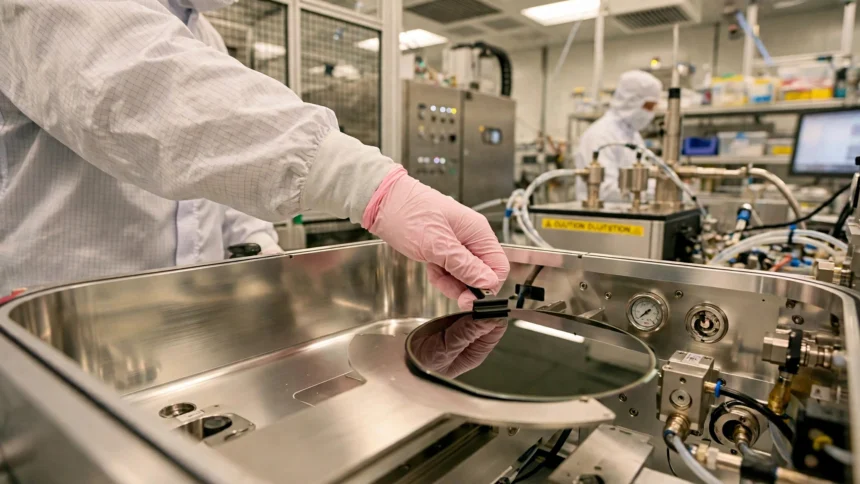
HCLTech and Japan’s Rapidus Corporation have opened two new chip engineering centres in Karnataka, one in Bengaluru and one in Hubli. The centres were inaugurated on October 26, and the announcement reached a wider audience this week as both companies set out what the partnership will do.
This is not a chip factory announcement. It is an engineering partnership. The two centres will do design and engineering work that supports Rapidus and its work on advanced logic semiconductors in Japan. Engineers in Bengaluru and Hubli will help turn chip ideas into designs that can be manufactured, and help build the skilled workforce Rapidus needs as it grows.
For Karnataka, the pairing of the two cities is the detail worth noticing. Bengaluru was the expected choice, home to design teams from chip and software companies around the world. Hubli is the more interesting signal: a specialised centre there spreads high-end work beyond the state capital, and gives engineers in north Karnataka a reason to build a career in chip design without moving to Bengaluru.
What the two centres will work on
The companies have named five areas of work. Each one sits at a different stage of getting a chip from an idea to a factory floor, and together they cover much of the engineering that happens before manufacturing begins.
- Mask design: preparing the precise patterns used to print circuits onto silicon.
- Design infrastructure: the tools, systems and workflows that engineering teams rely on to design and check complex chips.
- Process design kit development: the rulebooks and models that tell designers what a manufacturing process can and cannot do.
- Design technology co-optimisation: tuning the design and the manufacturing process together to get better performance from the same technology.
- Layout design: arranging the circuits on the chip itself, where small decisions about placement can affect speed, power use and cost.
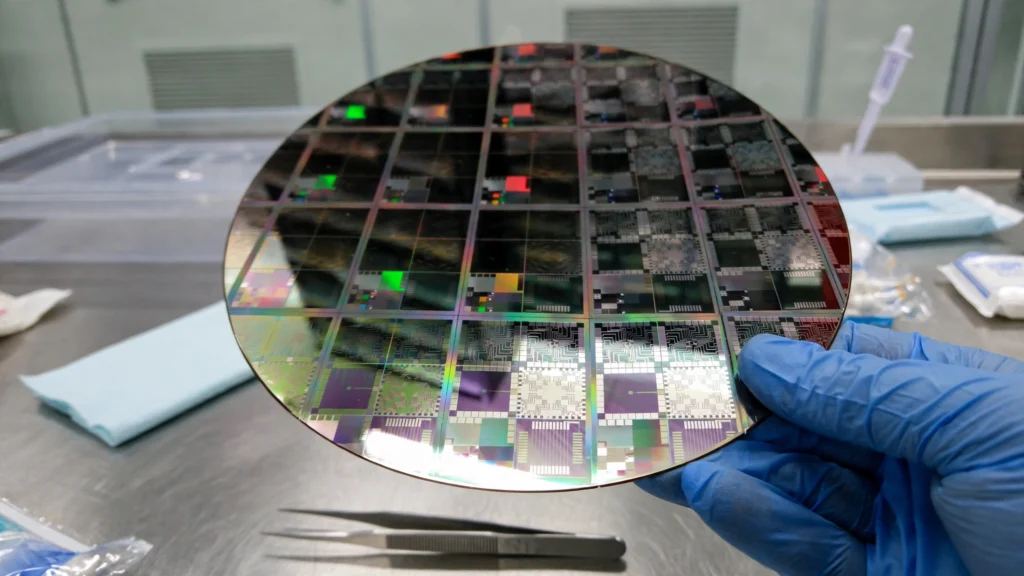
None of this is visible to a phone buyer or a laptop user. But it decides whether an advanced chip performs well, uses power sensibly and can be made reliably at scale. Rapidus says it aims to develop and manufacture the world’s most advanced logic semiconductors, and to shorten cycle times across design, wafer processes and 3D packaging. The HCLTech centres are meant to feed directly into that effort.
Why the talent pipeline matters as much as the centres
Alongside the engineering work, HCLTech will work with Rapidus to build a pipeline of Indian engineering talent to meet the Japanese company’s changing talent needs in Japan. Both chief executives highlighted that part of the deal.
“Building a strong engineering ecosystem is essential as Rapidus advances our mission to establish next-generation semiconductor manufacturing capabilities in Japan,” said Dr Atsuyoshi Koike, Representative Director and CEO of Rapidus Corporation. “Through this collaboration with HCLTech, we expect to access India’s growing pool of semiconductor engineering talent and establish dedicated development capabilities that complement our operations in Japan.”
Chip companies everywhere say talent is their biggest constraint. HCLTech is a global technology company with more than 230,000 people across more than 60 countries, and consolidated revenues of $14.8 billion for the 12 months ending September 2026, according to the companies’ announcement. That scale is why Rapidus is looking to India for engineers.
C Vijayakumar, CEO and Managing Director of HCLTech, said: “Advanced semiconductors will define the technologies of the next decade. This partnership reflects the growing strategic collaboration between Japan and India, bringing together Rapidus’ next-generation semiconductor ambitions with HCLTech’s engineering expertise to accelerate chip adoption, compress time-to-market and lay the foundations for the next era of semiconductor innovation.”
What this means for India and Japan
India has spent the past few years trying to build a deeper role in semiconductors, from design talent to manufacturing ambition. Japan has been rebuilding advanced chip capability of its own. This partnership sits in the middle of both efforts: India supplies engineering depth, Japan supplies the manufacturing push the engineering work supports.
No hiring number and no investment figure were disclosed, so readers should treat this as a structural commitment first. The footprint is real, the areas of work are named, and the talent plan is stated. How large each centre becomes will depend on the work that flows through it in the months ahead. The test will be whether engineers in Bengaluru and Hubli are soon doing chip engineering work that, until recently, mostly happened elsewhere.
FAQs
Where are the new HCLTech and Rapidus centres located?
In Bengaluru and Hubli, Karnataka. The centres were inaugurated on October 26, 2026.
Will the centres manufacture chips in India?
No. The announcement describes development centres providing semiconductor engineering services, including design work that supports Rapidus and its manufacturing work in Japan. It is not a chip factory announcement.
What kind of engineering work will the centres do?
Mask design, design infrastructure, process design kit development, design technology co-optimisation and layout design, all of which support the development of advanced logic semiconductors.
Who leads the two companies?
HCLTech is led by C Vijayakumar, its CEO and Managing Director. Rapidus Corporation is led by Dr Atsuyoshi Koike, its Representative Director and CEO.
Why does the talent pipeline matter?
Rapidus needs specialist engineers as it builds next-generation semiconductor manufacturing capability in Japan, and HCLTech will help build a pipeline of Indian talent to meet those needs.
India’s chip story is moving from ambition to engineering delivery. Informeia will keep following what these centres build next.