With a little over two months to go before the Union Budget is presented on February 1, 2027, the Indian economy is sending mixed signals. Growth is holding up, with the Reserve Bank of India projecting real GDP growth of 7.1 percent for FY27. But inflation has crossed the central bank’s comfort zone, the rupee has had a bruising year, and the trade deficit widened to a one-year high in October. The Budget will have to balance growth with stability, and five challenges will shape every decision it takes.
Retail inflation rose to 6.09 percent in October, breaching the RBI’s 6 percent upper limit for the first time in about two years, with food inflation at 8.94 percent. The trade deficit widened to $39.88 billion, a one-year high. The RBI has raised the repo rate to 5.50 percent, and its policy committee meets again from December 2 to 4.
1. The oil and energy shock
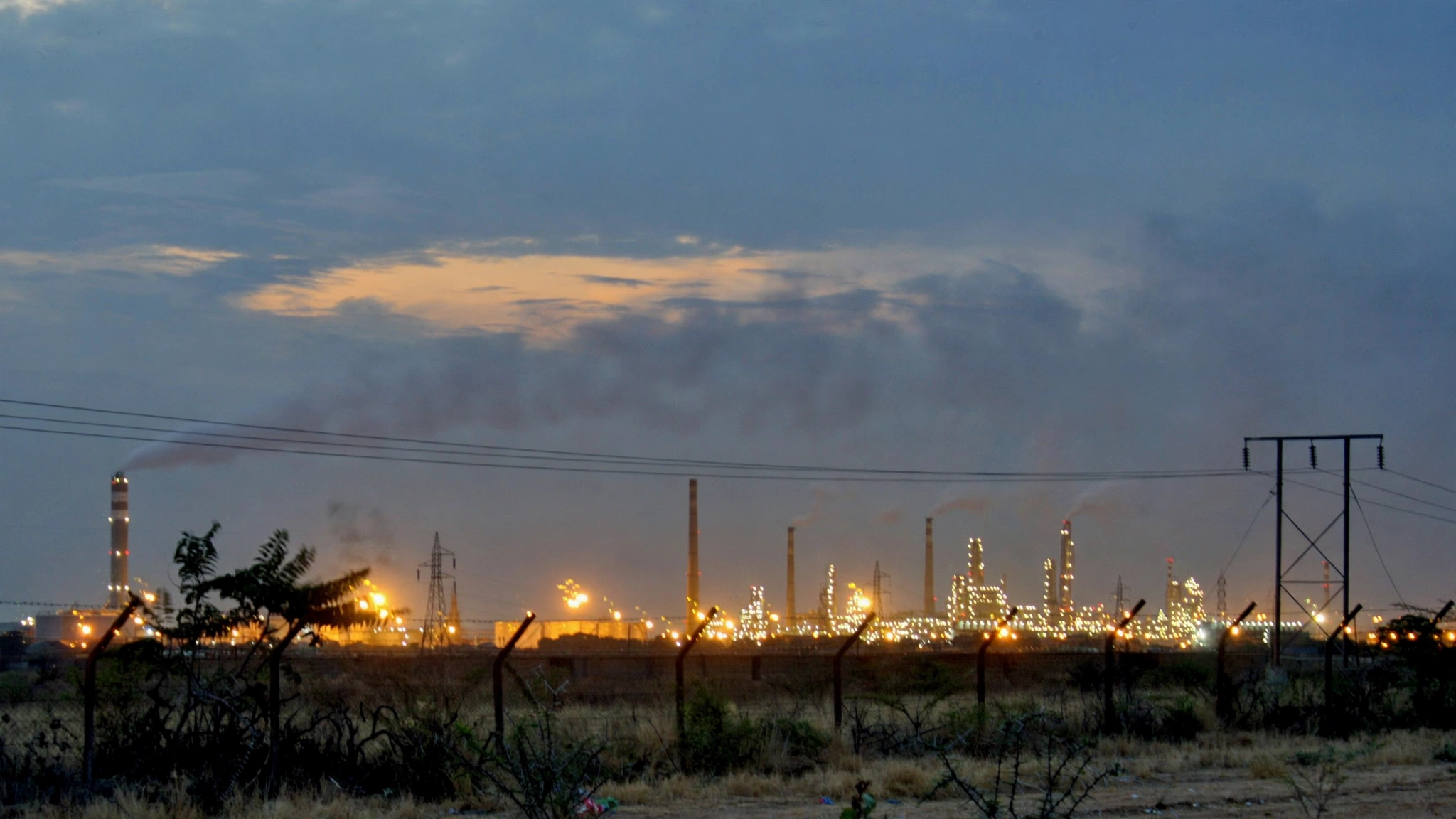
India’s dependence on imported energy remains its biggest macroeconomic weakness. The country imports close to 90 percent of the crude oil it uses and about half of its natural gas, so any disruption in the Middle East hits the economy directly. Tensions between Iran and the United States, and the threat to shipping through the Strait of Hormuz, have kept oil markets on edge. An earlier Reuters analysis warned that if oil averaged $100 a barrel for close to a year, India’s GDP growth could slip to 6.6 percent. Brent crude has swung between $70 and nearly $110 a barrel this financial year, and every sustained rise pushes up the import bill, feeds inflation and widens the trade deficit.
2. The weak rupee
The rupee has been one of Asia’s worst-performing currencies for much of 2026, falling about 5 percent against the US dollar this year and testing record lows near 96 to the dollar. High oil bills and foreign investor outflows have kept it under pressure, and the RBI has reportedly deployed around $90 billion since June to defend the currency. There has been some relief: the rupee recovered to around 93.77 to the dollar in early November and was Asia’s second-best performing currency in October. Even so, a weak rupee raises import costs, adds to inflation and widens the trade deficit.
3. Weak private investment
The government has been doing the heavy lifting on investment for years, through capital spending on roads, railways and infrastructure. Private investment, by contrast, has stayed sluggish. Companies have been slow to commit fresh money to new capacity, and that matters because private spending is what creates factories, orders and, eventually, jobs. The Budget will be judged on whether it can crowd in private money, through tax signals, faster clearances or targeted incentives, rather than simply raising public spending again.
4. Jobs and the skills gap
India’s young population is its greatest strength, but only if young people find work. A NITI Aayog report, Reimagining Skilling for Viksit Bharat@2047, estimated that about 8.7 crore Indians aged 15 to 29 were neither studying, working nor undergoing training, based on National Sample Survey data from 2021. It also found that only 8.25 percent of graduates work in jobs that match their qualifications. The Periodic Labour Force Survey for 2025 put the NEET share at 25 percent of Indians aged 15 to 29. If the skills gap is not closed, the demographic dividend risks turning into a long-term liability.
5. Weak demand
The fifth challenge is demand itself. A weak monsoon, persistent inflation and soft capital spending have weighed on consumption in the second half of FY27. Weak income growth continues to drag on retail spending, and accelerated bank credit has not translated into a matching boost in economic activity, according to a Nuvama report. When households spend less, companies invest less. The Budget will need measures that put money in people’s hands without loosening the fiscal grip so much that inflation flares up again.
FAQs
When is Union Budget 2027 presented?
The Union Budget for FY28 is scheduled to be presented on February 1, 2027.
What is India’s GDP growth forecast for FY27?
The Reserve Bank of India projects real GDP growth of 7.1 percent for FY27, with Morgan Stanley expecting 7.3 percent.
Why is inflation a concern before the Budget?
It rose to 6.09 percent in October 2026, crossing the RBI’s 6 percent upper limit for the first time in about two years. Food inflation was 8.94 percent.
Will the RBI raise interest rates in December?
No decision has been announced, but most economists expect a 25 basis point hike when the committee meets from December 2 to 4, taking the repo rate to 5.75 percent.
What is the biggest risk to the economy?
High oil prices linked to Middle East tensions. India imports close to 90 percent of its crude, and sustained $100 oil could pull GDP growth down to 6.6 percent, according to an earlier Reuters analysis.
Budget 2027 arrives at a tricky moment: growth is resilient, but inflation, the rupee, jobs and demand pull in different directions. The choices made on February 1 will show which the government treats as the priority.