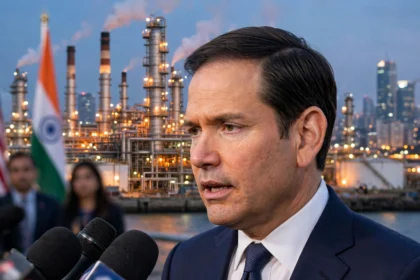
New Delhi has moved to cut one of India’s quietest but most consequential import dependencies. The Union Cabinet on Wednesday approved a Rs 2,814 crore scheme to build domestic processing plants for lithium and nickel, the two minerals at the heart of electric vehicle batteries and energy storage. The decision, announced by Information and Broadcasting Minister Ashwini Vaishnaw after a Cabinet meeting chaired by Prime Minister Narendra Modi, is the government’s biggest push yet to bring the critical minerals value chain home.
India today imports all of the lithium, nickel and cobalt it uses, according to NITI Aayog’s September 2026 Trade Watch report. Every battery in an electric scooter, a solar storage unit or a mobile phone starts its life abroad, either as raw ore or as a processed compound. The new scheme, called the Capex Support Scheme to Promote Critical Mineral Processing, is designed to change that starting point.
Four plants, five years, Rs 2,814 crore
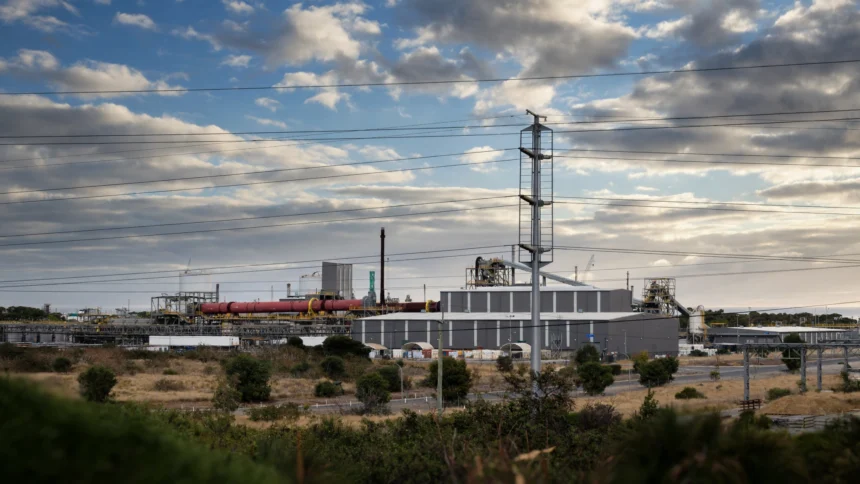
The scheme will run for five years, from financial year 2026-27 to 2030-31, with a total outlay of Rs 2,814 crore. It will support the setting up of four processing plants: two for lithium and two for nickel.
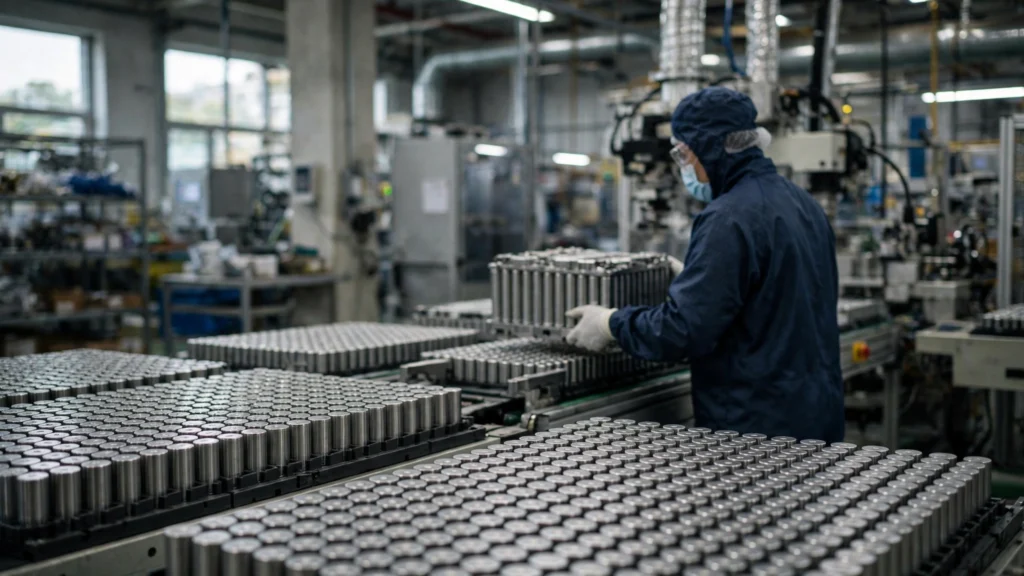
Each lithium plant must have a minimum processing capacity of 30,000 tonnes a year, while each nickel plant must be able to process at least 50,000 tonnes a year. The plants will convert lithium and nickel ores and intermediate products into high-purity compounds, the form in which battery makers actually use them.
The government will pay 30 per cent of a plant’s eligible investment as capital subsidy. The support is capped at Rs 500 crore for each lithium beneficiary and Rs 900 crore for each nickel beneficiary. Companies will be selected through a competitive process, and the subsidy will be linked to milestones as the plants come up.
Why lithium and nickel matter now
Lithium is the workhorse of rechargeable batteries. Nickel, in its high-purity form, goes into the cathodes of the lithium-ion batteries that power most electric cars and grid storage systems. As India pushes electric mobility and adds solar power at record pace, demand for both minerals is climbing fast.
Government estimates put India’s lithium demand at around 60,000 tonnes by 2030, up from a far smaller base in 2025. Nickel demand is expected to roughly double to 100,000 tonnes by 2030. Without domestic processing, that growth would translate directly into a bigger import bill and a longer supply chain exposed to price swings and geopolitical shocks.
“Our Critical Minerals Mission has been progressing in a systematic and methodical manner. A major decision taken today is the approval of a scheme for the processing of critical minerals,” Vaishnaw said after the Cabinet meeting.
- Rs 2,814 crore total outlay over five years (FY27 to FY31)
- Four plants: two lithium (30,000 tonnes each) and two nickel (50,000 tonnes each)
- 30 per cent capital subsidy on eligible investment
- Caps: Rs 500 crore per lithium plant, Rs 900 crore per nickel plant
- Goal: high-purity compounds for batteries, storage and electronics
Part of a bigger minerals push
The processing scheme is not a one-off. It is the second such initiative cleared by the Cabinet in less than a year. In December 2025, the government approved a Rs 1,500 crore incentive scheme to build at least 270,000 tonnes of annual recycling capacity for critical minerals, so that metals in used batteries can be recovered and reused.
The same Cabinet meeting on Wednesday also cleared a Rs 14,500 crore viability gap funding scheme to develop 92 gigawatt-hours of grid-scale battery storage, and extended the Fast Track Special Courts scheme for another five years with an outlay of Rs 3,788 crore. A Rs 4,371 crore programme to strengthen India’s statistical system was approved as well.
Taken together, the decisions sketch a clear strategy: mine less of the problem abroad, process more of it at home, store the power it makes possible, and recycle what remains. The processing plants sit in the middle of that chain, turning imported ores and intermediates into the refined compounds Indian factories need.
What to watch next
The first test will be the bidding process. Industry watchers will look at who applies, where the plants are proposed, and how quickly construction begins once subsidies are awarded. The scheme covers all 24 minerals the government has identified as critical, but the first four plants are firmly focused on lithium and nickel, where the battery demand is most urgent.
The second test is raw material supply. Processing plants still need ore or intermediate feedstock, much of which will continue to come from overseas mines in the near term, including from countries where India has been signing mineral partnerships. The economics of the plants will depend on steady feedstock, power costs and the global prices of refined lithium and nickel compounds.
If the plants come up on schedule, India will for the first time have a domestic source of battery-grade lithium and nickel compounds, cutting import dependence at the most value-added stage of the chain. For electric vehicle makers, battery producers and the grid storage sector, that is a supply line worth watching closely over the next five years.
FAQs
What is the Rs 2,814 crore critical mineral scheme?
It is a Cabinet-approved capital expenditure support scheme to set up domestic processing plants for lithium and nickel. The government will fund 30 per cent of eligible investment, with caps of Rs 500 crore per lithium plant and Rs 900 crore per nickel plant, over five years from FY27 to FY31.
How many plants will be set up under the scheme?
Four plants in total: two lithium processing plants with a minimum capacity of 30,000 tonnes each, and two nickel processing plants with a minimum capacity of 50,000 tonnes each.
Why does India need domestic lithium and nickel processing?
India is 100 per cent import-dependent for lithium, nickel and cobalt, according to NITI Aayog. Domestic processing will cut the import bill, reduce exposure to global price swings and support the growing EV battery and energy storage industries.
When will the scheme run?
The scheme runs for five years, from financial year 2026-27 to 2030-31. The Cabinet approved it on November 4, 2026.
Who announced the scheme?
Information and Broadcasting Minister Ashwini Vaishnaw announced the decision after the Union Cabinet meeting chaired by Prime Minister Narendra Modi.
The Cabinet’s call is a long-term bet, but the logic is immediate: the batteries India will need in 2030 should not depend entirely on factories and mines abroad. This week’s approval is the first concrete step toward making them at home.