Uttar Pradesh votes early next year, and the BJP has begun the two jobs that decide an election in India’s biggest state: dividing seats among allies and making sure its voters are on the list. Both tracks moved into high gear this week.
The seat-sharing puzzle: 403 seats, four claimants
Uttar Pradesh has 403 Assembly seats, and the arithmetic is already tight. The four allies claim about 116 seats between them: Apna Dal (Sonelal) 25, the Rashtriya Lok Dal 30, the Suheldev Bharatiya Samaj Party 25 and the Nishad Party 36. Party sources, however, say the BJP may not part with more than around 60 to 70 seats in all. That would leave the BJP contesting 330 to 340 seats, sizeably fewer than the 376 it fought in 2022.
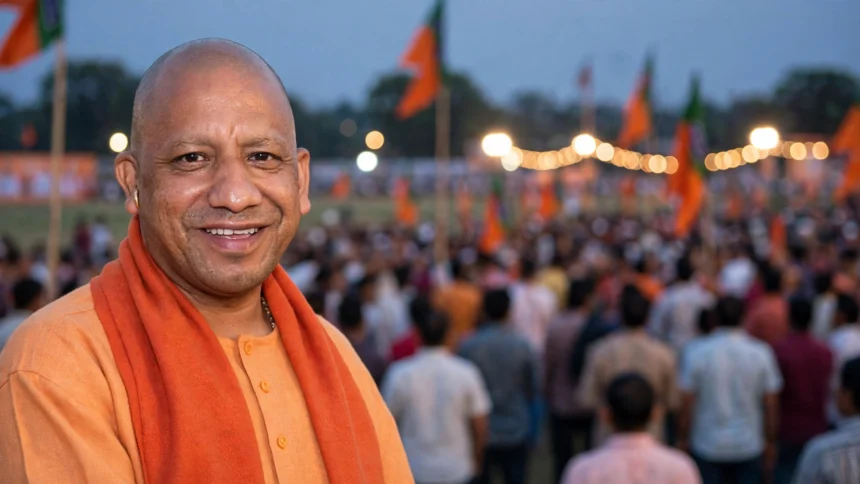
The party has split the work among its senior state leaders. Chief Minister Yogi Adityanath will talk to RLD chief Jayant Chaudhary, Deputy Chief Minister Brajesh Pathak will negotiate with Apna Dal (S) leader Anupriya Patel, state BJP president Pankaj Chaudhary will engage with Nishad Party chief Sanjay Nishad, and Deputy Chief Minister Keshav Prasad Maurya will negotiate with SBSP chief Om Prakash Rajbhar. They will report to the central leadership, which takes the final call, while Union Home Minister Amit Shah and BJP president Nitin Nabin are already engaged with the allies.
Why the allies are asking for more this time
The bargaining is harder than in 2022 because the alliance has grown. In 2022, the BJP gave 27 seats to two allies: Apna Dal (S) contested 17 and won 12, and the Nishad Party contested 10 and won six. This time there are four significant allies, and two of them, the RLD and the SBSP, fought the last election with the Samajwadi Party. The RLD contested 33 seats then and won eight, while the SBSP contested 19 and won six.
Each ally brings a distinct base: the RLD in the west, the SBSP among Rajbhar and backward communities in the east, Apna Dal (S) among Kurmi voters, and the Nishad Party among the Nishad fishing community.
The second front: the voter list
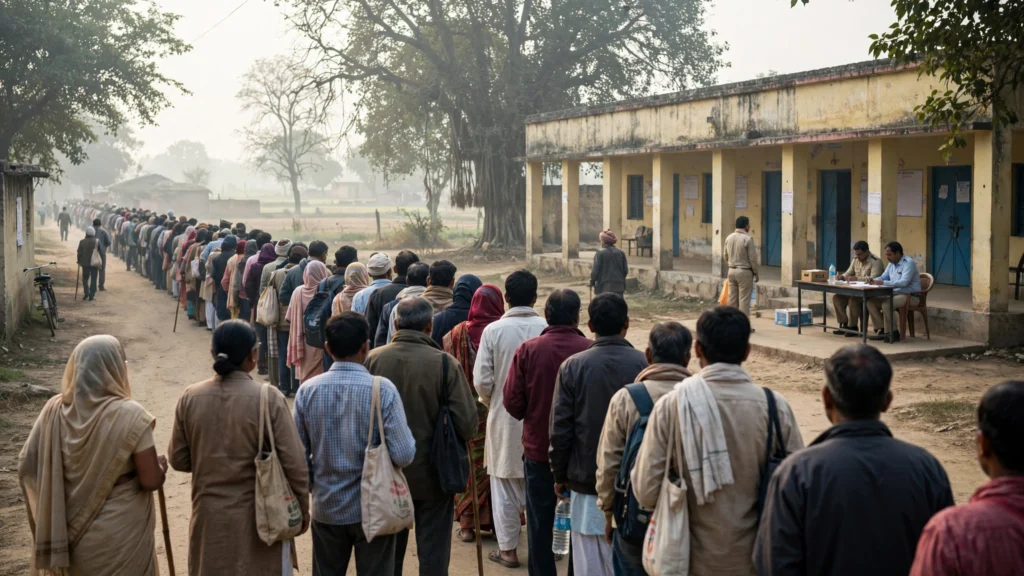
Running alongside is a voter enrolment drive the BJP has made its top priority for the next month. The Election Commission published draft rolls for the state under the Special Summary Revision on November 17. The draft lists 13.58 crore voters, 18.84 lakh more than the rolls published on April 10 after the Special Intensive Revision.
Claims and objections can be filed until December 16, and the final rolls are due on January 4, 2027. The BJP’s Matdata Jodo Abhiyan runs from November 17 to December 16, with leaders at polling booths for door-to-door contact from November 22 to 24.
The most striking decision concerns Form 7, used to seek deletion of names from the rolls. After complaints about bulk Form 7 submissions during the SIR, the BJP has decided not to give Form 7 to its booth-level agents in this round. Workers will get only Form 6, for inclusion, and Form 8, for corrections. The drive follows Yogi Adityanath’s claim that 1.27 crore Hindu voters were missing from the rolls after the SIR. The BJP has set a target of adding back 10,000 to 25,000 voters in each constituency, about 50 at each of the state’s 1,73,730 polling booths.
The Mathura message
The twin tracks follow a two-day BJP brainstorming session in Mathura on November 16-17. At the conclave, Keshav Prasad Maurya said a grand temple at the Shri Krishna Janmabhoomi in Mathura would be at the centre of the campaign, with the slogan “Radhe Radhe, Kamal Khila De” unveiled for the polls. The move is widely read as the BJP’s answer to the Samajwadi Party’s PDA pitch, aimed at backward classes, Dalits and minorities, with a plank of cultural nationalism.
The conclave also aired internal worries about the UGC equity rules and the SIR drive. Yogi urged the party to bring back voters whose names had been removed, coining the slogan “Booth par youth”, then flew to Delhi to brief Shah on the conclave’s takeaways, including seat-sharing.
Why it matters
Uttar Pradesh sends 80 members to the Lok Sabha, more than any other state, and its Assembly result is the biggest pointer to the national mood before the 2029 general election. A third straight BJP win would settle the argument about the party’s hold on its most important state; a defeat, or a sharply reduced majority, would reshape national politics. That is why both fronts matter: seats decide who fights where, and the rolls decide who gets to vote.
The alliance arithmetic is the more delicate of the two. The BJP won comfortably in 2022 while contesting 376 seats, and every seat given away is a seat where its own workers must campaign for someone else’s candidate. The voter-list drive matters because elections here are often decided by thin margins, and dropping Form 7 is a message in itself: after the controversy over deletions during the SIR, the party wants this round to be seen as an exercise in inclusion.
What happens next
The talks will now move through the assigned negotiators, with the final formula expected only after Shah’s round in Delhi. On the rolls, the calendar is fixed: claims and objections run until December 16, and the final rolls are published on January 4. The next big marker will be the poll schedule itself, expected once the final rolls are out.
Frequently asked questions
When are the Uttar Pradesh Assembly elections?
Likely February-March 2027, after the final rolls are published on January 4, 2027.
How many Assembly seats does Uttar Pradesh have?
403. The BJP is expected to contest 330 to 340 of them, leaving 60 to 70 for its four NDA allies.
Who are the BJP’s four allies in Uttar Pradesh?
The Rashtriya Lok Dal (Jayant Chaudhary), Apna Dal (Sonelal) (Anupriya Patel), the Suheldev Bharatiya Samaj Party (Om Prakash Rajbhar), and the Nishad Party (Sanjay Nishad).
What is Form 7, and why is it in the news?
Form 7 is used to seek deletion of a name from the roll. The BJP has not given it to its booth workers in this round, so the drive focuses on adding voters.
How can voters check if their name is on the list?
Claims and objections to the draft rolls can be filed until December 16, through Form 6 for inclusion and Form 8 for corrections.
The seat talks and the voter drive are only the opening moves. The real test begins when the candidates are named and the campaign hits the road.