Washington has turned up the pressure on Kigali. On Wednesday, the United States imposed sanctions on Rwanda’s defence ministry and on a financial institution linked to the country’s security forces, accusing both of helping to sustain the M23 rebellion in eastern Democratic Republic of Congo.
The move is the sharpest American step yet against Rwanda over a conflict that has continued despite a peace deal signed in Washington less than a year ago. It also puts minerals at the centre of the story: the gold and coltan mined in eastern Congo, and the money and weapons Washington says flowed around them. Rwanda denies backing the rebels. Congo welcomed the sanctions.
What Washington announced
The US Treasury Department said it was sanctioning Rwanda’s Ministry of Defence and Zigama Credit and Savings Society, in measures announced on October 28 through its Office of Foreign Assets Control.
According to the Treasury, the defence ministry directed the Rwanda Defence Force, which Washington had already sanctioned, to deploy thousands of troops across North and South Kivu provinces. There, the Treasury said, Rwandan troops conducted operations alongside M23 and provided the armed group with military equipment, supplies, logistical support and training.
The statement also accused Rwandan forces of introducing advanced weaponry, including surface-to-air missile systems and jamming equipment, creating risks for civilian aviation. Zigama, described as operating on behalf of Rwanda’s security services, was accused of playing a key role in facilitating support for the rebels and their political wing, the Congo River Alliance.
Treasury Secretary Scott Bessent said: “Rwanda must halt its support for M23 and withdraw its troops from eastern DRC,” citing Rwanda’s commitments under the Washington Accords.
Why the peace deal is back in focus
The Washington Accords for Peace and Prosperity were signed on December 4, 2025, by Congolese President Felix Tshisekedi and Rwandan President Paul Kagame, alongside President Trump. The deal was meant to end fighting in eastern Congo and open a path to regional trade and greater transparency in critical minerals supply chains.
At the signing, Trump said the deal was succeeding where many others had failed. The fighting did not stop. M23, which re-emerged as a major force in 2021, had already captured Goma and Bukavu, the capitals of North and South Kivu, in early 2025. Clashes have continued since, involving Congolese forces, the rebels and the Democratic Forces for the Liberation of Rwanda. Earlier this year, the US had already sanctioned the Rwanda Defence Force and four senior officials for supporting M23.
Why minerals are at the centre of this
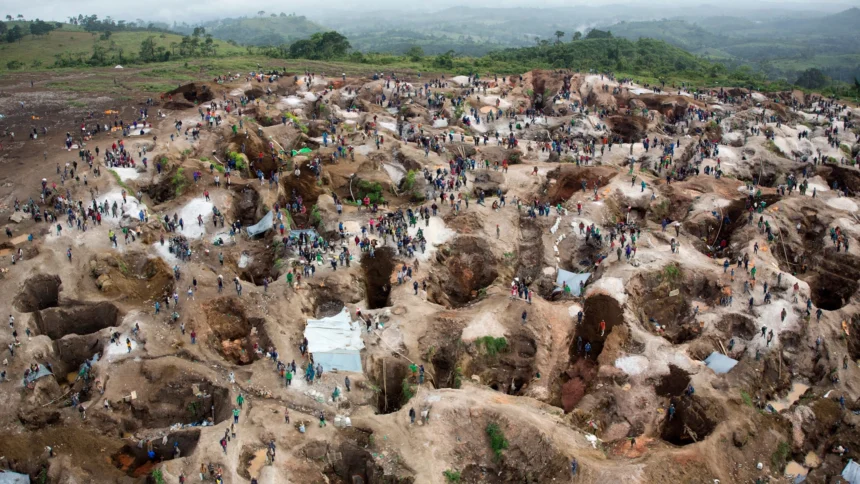
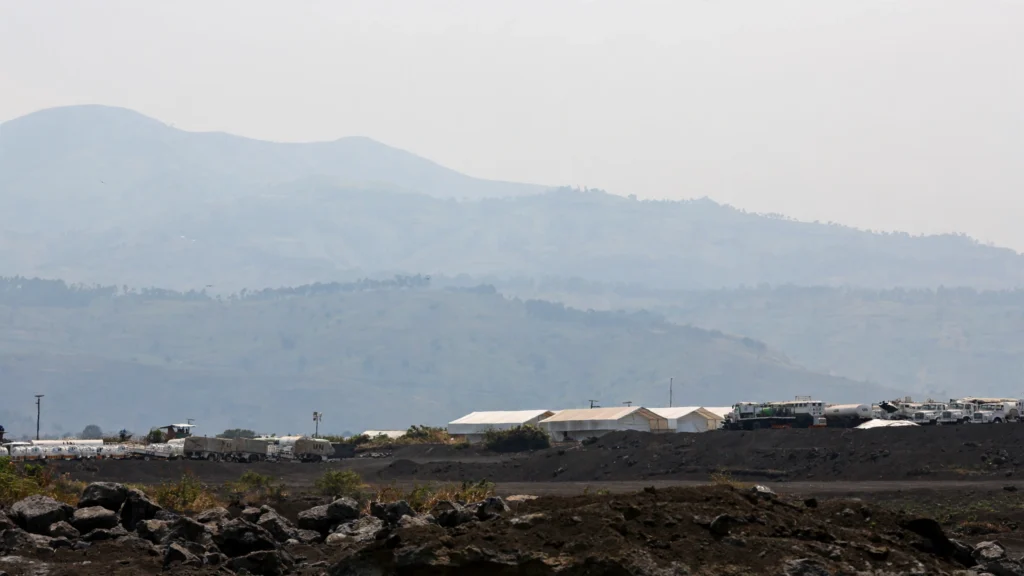
Control of mining areas has long shaped the conflict in eastern Congo. M23 has taken control of mineral-producing areas, including gold mining sites in South Kivu and the Rubaya coltan mining zone in North Kivu, according to reporting on the Treasury action. Coltan, from which tantalum is extracted for phones and other electronics, is one of the region’s most valuable exports.
The Treasury accused a Zigama branch of enabling the transportation of gold from rebel-controlled territory in Congo to Rwanda, and said the institution had facilitated payments to entities in China and other countries for weapons and other military equipment. Washington also alleged that civilians under M23 control faced forced labour, unsafe mining conditions and illegal taxation.
What Kigali and Kinshasa said
Rwanda’s government did not immediately respond to requests for comment, according to Reuters reporting. Kigali has consistently denied backing armed groups in Congo, even as the UN and Congo have accused Rwanda of backing M23, and UN experts have said they found evidence that Rwandan troops fought alongside and directed the rebels.
Congo’s foreign ministry welcomed the measures. “These sanctions send a clear message that Rwanda cannot act with impunity,” it said. “Rwanda must honour its commitments under the Washington Accords, respect the UN Charter, and withdraw its tens of thousands of troops from the DRC.”
What sanctions do, and what they do not do
American sanctions typically block assets under US jurisdiction and bar Americans from dealing with the named parties. Their wider bite comes from the financial system: banks and businesses tend to steer clear of sanctioned entities to avoid falling foul of US rules. That can squeeze procurement and payments, which is plainly part of the intent here.
But sanctions alone do not remove troops from a battlefield or return displaced families home. They are leverage, and leverage only works if it is followed by diplomacy and a change in facts on the ground.
FAQs
Who did the US sanction?
Rwanda’s Ministry of Defence and Zigama Credit and Savings Society, which the US Treasury says operates on behalf of Rwanda’s security services.
Why were the sanctions imposed?
Washington accuses Rwanda of deploying thousands of troops alongside M23, supplying the rebels with weapons and training, and breaching commitments under the Washington Accords signed in December 2025.
What is M23?
A rebel group that re-emerged in 2021 and captured Goma and Bukavu in early 2025. Congo, the US and UN experts accuse Rwanda of backing it. Rwanda denies the charge.
Why do minerals matter?
Eastern Congo holds gold and coltan. M23 controls mining areas including Rubaya, and Washington alleges gold from rebel-held territory was moved to Rwanda while payments flowed for military equipment.
What happens next?
The US is pressing Rwanda to halt support for M23 and withdraw its troops. Congo has welcomed the move. Whether the sanctions change the fighting remains to be seen.