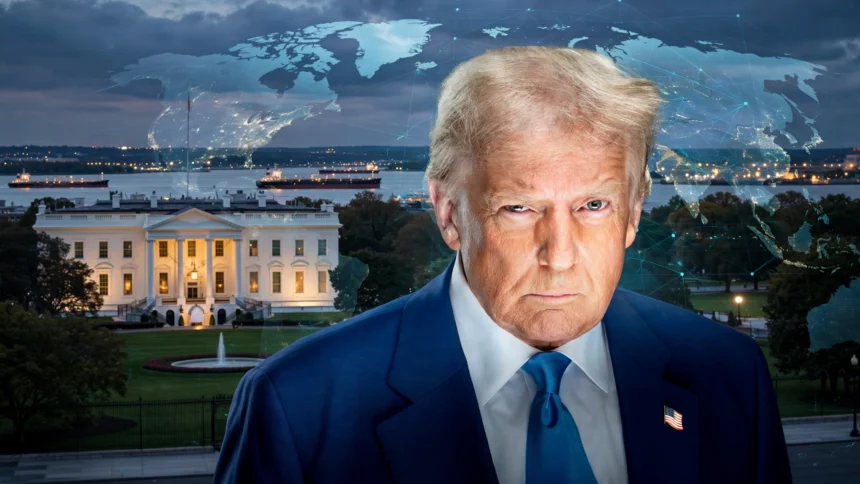
In a move that has sent a wave of relief through New Delhi, US President Donald Trump has waived key sanctions and tariff provisions under the Lindsey O. Graham Sanctioning Russia and Iran Act, just days before the penalties were set to kick in. The executive order, signed on Friday, pauses the threat of tariffs of up to 100 per cent on major buyers of Russian oil and gas, including India.
The waiver comes right ahead of the October 18 deadline, the date from which the duties under the new law were to apply to countries continuing to purchase Russian energy. For India, one of the world’s largest importers of Russian crude, the timing could not have been more critical.
What Trump’s executive order says
In the executive order, Trump said he was waiving the application of the sanctions, restrictions and duties provided for in the Graham Act, adding that he had submitted the required certification to Congress that such a waiver was in the national interest of the United States.
The Lindsey O. Graham Sanctioning Russia and Iran Act, which Trump signed into law last month, gave the US president sweeping powers to squeeze Moscow’s energy revenues. Under the law, the United States could impose an additional duty of up to 100 per cent on goods imported from the five largest importers of Russian-origin crude oil and natural gas if they made new purchases on or after October 18, 2026. It also provided for a 100 per cent increase in duties on goods from the five largest facilitators of Russian oil sanctions evasion, and a 500 per cent increase in duties on goods from Russia itself.
Trump’s order waives the duties under Sections 112 and 113 of the Act, along with several sanctions and restrictions covering foreign persons. The exemptions will remain in place until the President or the Secretary of State, in consultation with the Treasury Secretary and the US Trade Representative, decides that further action is necessary.
Importantly, the waiver does not touch existing US sanctions on Russia imposed under earlier executive orders. Those remain fully in force.
Why this matters for India
Washington had been steadily increasing pressure on India to cut back its purchases of Russian energy. Under the Graham Act, Indian exports to the US, from textiles to engineering goods, could have faced steep additional tariffs, a blow to exporters already navigating uncertain global demand.
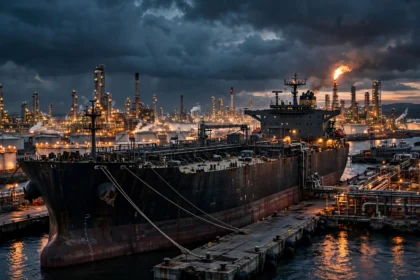
External Affairs Minister S. Jaishankar had raised India’s concerns directly with US Secretary of State Marco Rubio on the sidelines of the UN General Assembly in New York last month. He conveyed that Indian refineries are largely configured to handle medium sour crude, the grade supplied by Middle Eastern countries and Russia. With supplies from the Middle East hit by the ongoing Iran war, India has little choice but to rely on Russian crude to keep its economy running.
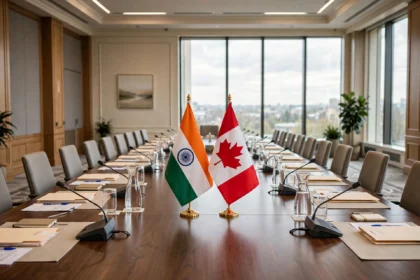
The waiver also lands just as the India-US relationship enters a busy week. Rubio is set to visit India and hold talks with Jaishankar in Mumbai on October 20, even as both sides continue the legal drafting of a proposed bilateral trade agreement. New Delhi will be keen to ensure that the tariff sword does not return to hang over those negotiations.
Relief, but with a catch
Trade experts are urging caution, warning that the relief is temporary and reversible. The Global Trade Research Initiative (GTRI) noted that the executive order puts the penalties on hold by invoking the Act’s waiver provision, but the waiver has no fixed expiry date, and Washington can withdraw it at any time.
According to GTRI, the US Trade Representative will continue monitoring Russian energy purchases, which leaves the door open for the duties to be restored. The think tank pointed out that India’s own oil sourcing has already been shifting: Russia’s share of India’s oil imports fell from 51 per cent in July to 44 per cent in August, with purchases moving toward the US and the United Arab Emirates despite higher prices.
GTRI advised New Delhi not to treat the waiver as a durable change in American policy and to avoid making long-term energy decisions, or permanent trade concessions, around relief that can be reversed. Flexibility in crude sourcing, it said, is the smart play.
The bigger picture
The waiver appears driven by hard economic realities on both sides. Trump’s administration has been working with Russian President Vladimir Putin to release Russian diesel supplies into global markets to stabilise energy prices, and enforcing the Graham Act’s penalties would have complicated that effort. With diesel prices in the US running high ahead of the November 3 midterm elections, cheaper fuel is a political priority for the White House.
- October 18 deadline: The duties under the Graham Act were set to apply to new Russian energy purchases made on or after this date.
- Up to 100% tariffs: What Indian exports to the US could have faced if the law had been enforced.
- 44% share: Russia’s portion of India’s oil imports in August, down from 51% in July.
- Rubio visit: The US Secretary of State meets Jaishankar in Mumbai on October 20.
What happens next
All eyes will now be on the Rubio-Jaishankar meeting in Mumbai and on whether the waiver translates into durable progress on the India-US trade agreement. For Indian refiners and exporters, the immediate pressure has lifted, but the underlying tariff threat has not disappeared. It has simply been parked.
New Delhi’s challenge remains unchanged: secure affordable energy for a fast-growing economy while navigating an unpredictable Washington. For now, though, India can breathe a little easier.
Frequently Asked Questions
What is the Graham Act?
The Lindsey O. Graham Sanctioning Russia and Iran Act of 2026 is a US law that authorises sweeping sanctions on Russia and steep tariffs, up to 100 per cent, on countries that continue buying Russian oil and gas.
What did Trump waive on October 16?
Through an executive order, Trump waived the application of duties under Sections 112 and 113 of the Act and several sanctions on foreign persons, citing the national interest of the United States.
Does the waiver remove all US sanctions on Russia?
No. Sanctions imposed under earlier executive orders remain in force. The waiver only suspends the specified provisions of the Graham Act, and it can be withdrawn.
Why is this important for India?
India is among the largest buyers of Russian crude. Without the waiver, Indian goods exported to the US could have faced additional tariffs of up to 100 per cent from October 18.
Is the relief permanent?
No. Trade experts caution that the waiver has no fixed expiry and Washington can reinstate the duties. India has been advised to keep its crude sourcing flexible.
Stay with Informeia for the latest updates on global trade and diplomacy as this story develops.