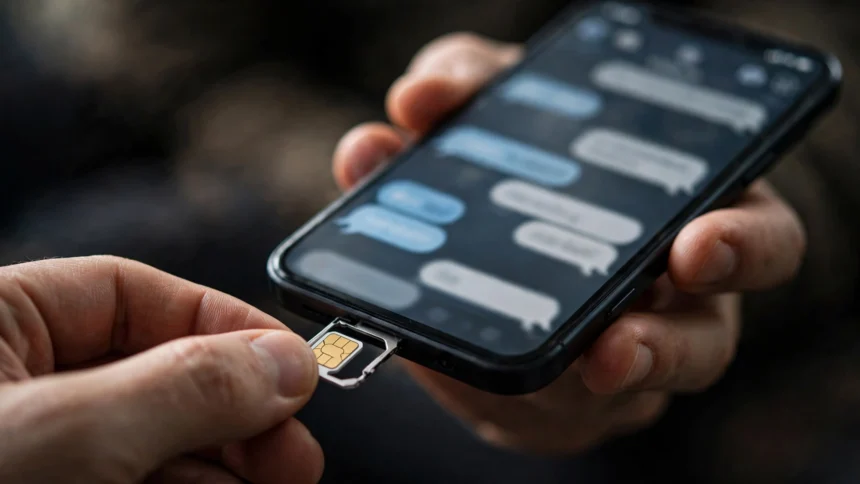
If you use WhatsApp on an old phone lying at home, running only on Wi-Fi with the SIM long gone, a big change is headed your way. From January 1, 2027, messaging apps operating in India will have to keep every user account tied to the registered SIM card sitting inside the device. Remove the SIM, and the app may stop working. The rule comes from the Department of Telecommunications, and WhatsApp and Telegram are right at the centre of it.
What exactly is SIM binding?
Right now, signing up for WhatsApp or Telegram works like this: you enter your number, verify it with an OTP, and the app keeps working even if you later pull the SIM out and run the phone on Wi-Fi alone. Millions of Indians do exactly this with old handsets, tablets and spare devices.
Under SIM binding, that loophole closes. The app will periodically check that the same SIM used at registration is present and active in the device. If the SIM is missing or deactivated, the account could stop working. The good news is that chats are not lost. Reports say your messages stay intact, and the app starts working again once the SIM goes back in. With the compliance deadline set for December 31, 2026, the rule is expected to take effect from the first day of 2027.
Which apps are covered, and who gets affected?
The directive names a long list: WhatsApp, Telegram, Signal, Snapchat, Arattai, ShareChat, Josh and JioChat. WhatsApp and Telegram face the biggest impact, simply because of how many Indians use them on secondary devices and web clients.
Here is who should pay attention:
- People who run WhatsApp on an old phone over Wi-Fi without the registered SIM in it.
- Users who keep their primary SIM in one phone and use messaging apps on another device.
- Frequent travellers who swap SIM cards often.
- Those who rely heavily on WhatsApp Web or desktop apps linked to their account.
- Anyone whose registered SIM is inactive or has been deactivated.
One detail has changed along the way: the earlier plan of forcing web sessions to log out every six hours has reportedly been replaced by risk-based logouts, with immediate termination in suspected fraud cases.
Why is the government doing this?
The Department of Telecommunications issued the directive on November 28, 2025, under the Telecom Cyber Security Rules, 2024. The stated aim is to choke off cyber fraud. The problem, as officials see it, is simple: scammers verify an Indian mobile number once, then detach the account from the SIM and run it from anywhere, often from abroad, to target victims back home. Digital arrest scams, fake government-official calls and impersonation frauds have all exploited this gap.
Binding the account to a KYC-verified SIM that stays in the device makes anonymous operations far harder to run, and far easier to trace. The government has given companies until the end of 2026 to comply after several flagged technical difficulties.
Is WhatsApp already preparing?
Reports say yes. WhatsApp has reportedly begun beta testing SIM binding on Android, with the rest of the covered apps expected to complete compliance work before the December deadline. The rule applies at the platform level, so users cannot opt out once it is live.
What should you do now?
You do not need to panic, and nothing changes overnight. A few simple steps will keep you ready:
- Make sure the SIM linked to your WhatsApp or Telegram account is active and in the device you actually use.
- If you use an old phone as a Wi-Fi-only device, plan to either move the registered SIM into it or accept that the account may stop working there.
- Keep the registered number recharged and the SIM KYC-compliant so it does not get deactivated.
- If you use WhatsApp Web or desktop apps, be ready to relink them when the rules kick in.
- Keep the apps updated so you receive the SIM-binding implementation when it rolls out.
FAQs
Will WhatsApp stop working if I remove my SIM?
From January 1, 2027, WhatsApp must check that your registered SIM is present and active in the device. If the SIM is removed or deactivated, the app may stop working until it is reinserted. Your chats remain safe.
Does this apply to Telegram and Signal too?
Yes. The rule covers WhatsApp, Telegram, Signal, Snapchat, Arattai, ShareChat, Josh and JioChat. WhatsApp and Telegram are likely to be affected the most.
Will WhatsApp Web stop working?
Linked devices may need to be relinked periodically, but a full shutdown is not on the cards. Earlier proposals of a forced six-hour logout have reportedly been replaced by risk-based logouts.
What happens if my registered SIM is deactivated?
The app may treat the account as non-compliant and stop working until you restore or update the number, so keep the SIM active and KYC-compliant.
Has WhatsApp started implementing this?
Reports say WhatsApp has begun beta testing SIM binding on Android, with full compliance required from all covered apps by December 31, 2026.
The rule is still over a year away, but it will end a habit millions of Indians take for granted: using a messaging app with no SIM in sight. Keep the registered SIM where your chats live.