Global commodity prices are set for their sharpest jump in years. The World Bank said on Wednesday that prices across energy, food, metals and fertilisers are forecast to rise 23% in 2026, as several shocks hit markets at the same time.
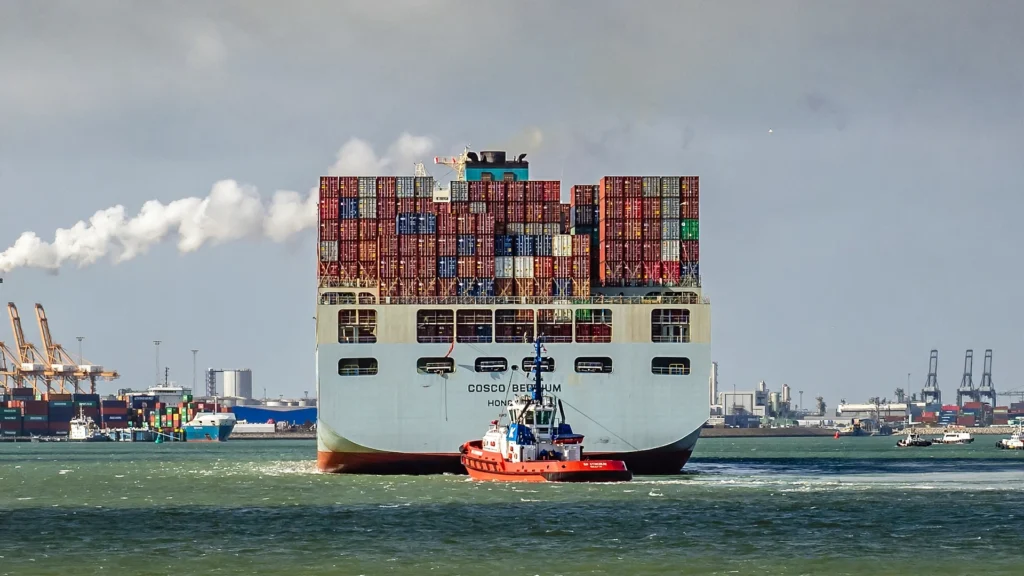
The warning came in the Bank’s latest Commodity Markets Outlook, published on October 28. It is a sharp upgrade from the 16% rise expected in April. The Middle East conflict, disrupted shipping, grain shipment problems in the Black Sea and strong demand for gold have combined into what the Bank describes as several major shocks at once.
“Commodity markets are being hit by several major shocks at once,” said Ayhan Kose, the World Bank’s deputy chief economist. “Higher energy costs and trade disruptions are driving up prices across a broad range of commodities, threatening to worsen inflation, food insecurity, and economic growth.”
The Bank expects some relief in 2027, with prices easing 7%, but fresh shocks could keep them above that baseline.
Energy leads the surge
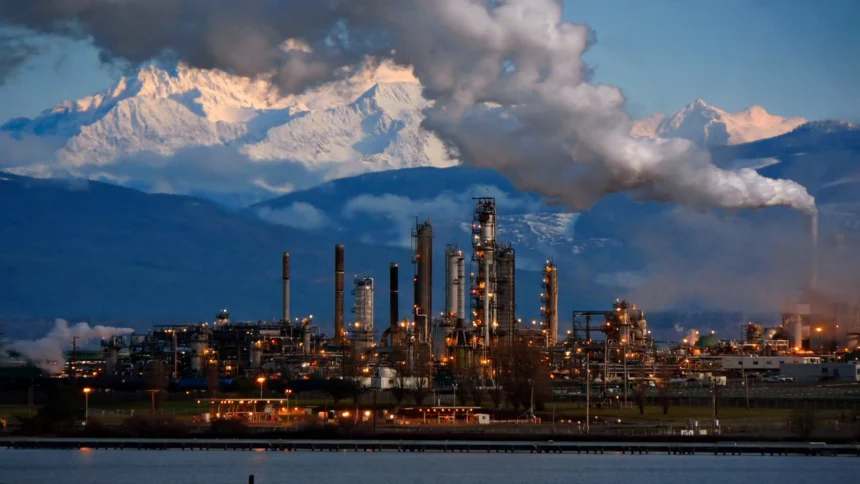
Energy is the main driver. Global energy prices are projected to rise 32% in 2026, reversing three years of declines and reaching their highest level since Russia’s invasion of Ukraine in 2022.
Oil sits at the centre of the story. Global oil supply is expected to fall 5.2% in 2026, the largest decline in more than four decades outside the 2020 recession, as inventories have been drawn down during the Middle East conflict. Demand is expected to fall 2.5% as high prices bite, but production is still expected to stay below consumption, forcing further withdrawals from stocks.
Brent crude is forecast to average $91 a barrel in 2026, up from $69 in 2025, before easing to $79 in 2027. On Wednesday, Brent traded near $115 a barrel, a reminder that spot prices can run well ahead of annual averages when supply fears flare.
Food, fertiliser and metals all rise together
The pressure is broad, not limited to fuel. Food commodity prices are expected to rise around 10% in 2026 and another 7% in 2027, a cumulative increase of about 18%. Disrupted grain shipments, the threat of a very strong El Nino, and higher fuel and fertiliser costs are squeezing agricultural production and food affordability.
Fertiliser prices are forecast to rise 14% in 2026 after a surge in urea prices, before returning to 2025 levels in 2027. Metals prices are projected to rise 25% to a new high, with aluminium, copper and tin all reaching record levels, on supply disruptions plus demand from renewable energy, electric vehicles and data centres. Precious metals are forecast to rise 40%, as investors seek safe haven assets amid geopolitical uncertainty.
The risk that worries the Bank most
The adverse scenario centres on food. The Bank warned that a record El Nino, further disruption to Black Sea grain shipments, escalation in the Middle East and continued damage to Russian oil infrastructure could push food prices 12% above the baseline.
In that scenario, the world could face a food crisis similar to the early 2010s, when more than 40 million additional people fell into extreme poverty. The forecast El Nino is described as the worst since 1950, which is why weather has moved from a background risk to a central one.
What it means for India
India feels this kind of shock through the import bill and the price level. The country imports a large share of its crude oil, so sustained high oil prices raise energy import costs and increase demand for dollars to pay for them.
That pressure was visible on Wednesday, when the rupee rose 4 paise to 95.03 against the US dollar in early trade, even as Brent crude hovered near $115 a barrel. In September, crude oil imports rose 30.76% from a year earlier to $18.34 billion, according to Commerce Department data.
For households and businesses, the chain is familiar: dearer transport and freight, higher input costs, and pressure on retail prices if businesses pass costs on.
What to watch next
Three things will decide whether the 2027 easing happens: oil supply stabilising, grain shipments through the Black Sea keeping moving, and how strong the El Nino turns out to be.
FAQs
How much will commodity prices rise in 2026?
The World Bank forecasts a 23% rise in overall global commodity prices in 2026, up from 16% expected in April. Prices are then expected to ease 7% in 2027.
Which group will rise the most?
Precious metals are forecast to rise 40%, followed by energy at 32% and metals at 25%. Food prices are expected to rise around 10% in 2026 and another 7% in 2027.
Why are prices rising?
The Bank cites the Middle East conflict and depleted oil stocks, shipping disruptions, grain problems in the Black Sea, high demand for gold, and the threat of a very strong El Nino.
What is the worst case scenario?
Food prices could rise 12% above the baseline, raising the risk of a food crisis similar to the early 2010s, if a record El Nino combines with more Black Sea disruption and Middle East escalation.
What does this mean for India?
Higher crude prices raise India’s import bill and can add to inflation through transport and input costs. The rupee traded at 95.03 against the dollar on October 28 as Brent hovered near $115 a barrel.