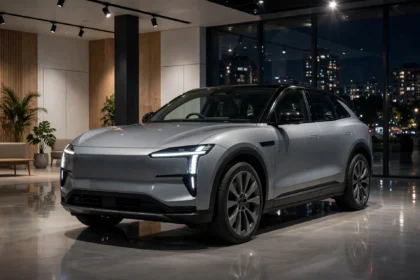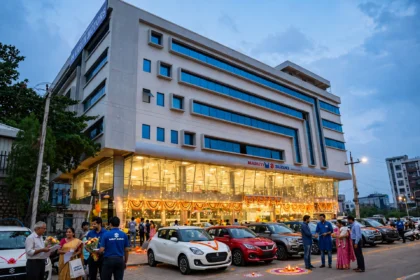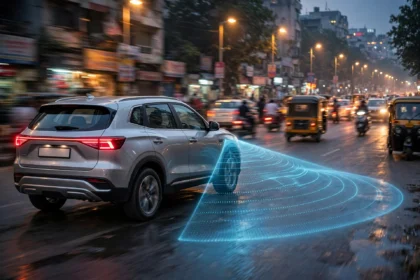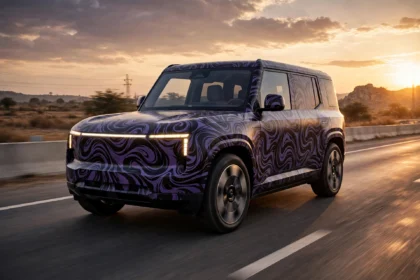
Electric cars were the clear winners of India’s festive season. While showrooms saw fewer petrol, diesel and CNG cars leaving their floors, buyers took home 40,122 electric passenger vehicles during the 32-day festive period that ended on November 11, a jump of 69 percent over the same period last year.
The numbers, reported by The Economic Times from fresh retail delivery data, tell a story that goes beyond one good month. Electric cars took 6.9 percent of all passenger vehicle sales in the festive window, up from 3.8 percent a year earlier. At the same time, overall passenger vehicle retail sales fell 7.2 percent to about 5.81 lakh units, from 6.26 lakh a year ago.
In other words, in a shrinking market, electric cars grew fast. Petrol car deliveries fell 14.5 percent, diesel declined 6.8 percent and CNG slipped 2.4 percent.
Tata and Mahindra corner the electric rush
Two homegrown companies dominated the electric surge. Tata Motors retained its position as India’s largest electric car seller, retailing 16,220 EVs during the festive period, up 71 percent year on year. Mahindra and Mahindra recorded an even sharper rise, with its electric passenger vehicle sales climbing 84 percent to 9,407 units.
Together, the two companies sold 25,627 electric cars, about 64 percent of all EVs delivered in the festive window.
The demand is now running ahead of supply. Tata Motors Passenger Vehicles managing director Shailesh Chandra said during an earnings call last week that the company was meeting only 60 to 65 percent of the existing demand for its electric vehicles. Tata plans to raise monthly EV supplies to nearly 20,000 units over the next two to three months, from around 16,000 now. Mahindra faces a similar squeeze and plans to raise its electric SUV capacity beyond the current 8,000 units a month.
The fine print behind the 69 percent jump
The headline growth number comes with important context. First, the comparison is against a high base. Last year’s festive numbers were boosted by GST rate cuts that took effect on September 22, 2025, just as the buying season began. That makes this year’s 69 percent rise more impressive, not less, because it cleared a strong year-ago figure.
Second, these are retail deliveries, cars actually handed to customers, not factory dispatches. Industry body SIAM reported double-digit growth in factory dispatches in October, ahead of the main Diwali festival. Deliveries and dispatches measure different things, and both pointed in the same direction this season.
Third, the base is still small. More than 93 out of every 100 new passenger vehicles sold during the festive period were not fully electric. Petrol cars alone accounted for about 3.01 lakh sales, nearly seven and a half times the electric total. The electric shift is real, but it is still early.
Why it matters
This festive season may be remembered as the moment electric cars stopped being a niche choice in India and became a mainstream buying decision. A 6.9 percent share is not dominance, but it is nearly double last year’s share, and it happened while the overall market shrank. That combination, growth in a falling market, is what turns a trend into a turning point.
For buyers, the practical message is mixed. Waiting periods are likely to stay long for popular electric models, because both Tata and Mahindra are still ramping up production. Anyone booking now should ask the dealer for a realistic delivery date in writing, check charging options at home and work before paying, and compare running costs honestly against a petrol car over five years, not just the showroom price.
For the industry, the message is simpler. The two companies that bet earliest and biggest on electric SUVs are now collecting the reward, while rivals that waited are playing catch-up. Tata’s electric sales grew around 90 percent to more than 47,000 units in the September quarter, with dealer inventory of just about 10 days.
Mahindra executive director Rajesh Jejurikar said on November 5 that the move towards EVs was unlikely to reverse even if crude prices eased, because buyers were increasingly recognising the savings on running costs. The charging network, now about 52,700 public stations as of July, will need to grow just as fast.
FAQs
How many electric cars were sold during the festive season?
Buyers took delivery of 40,122 electric passenger vehicles during the 32-day festive period ending November 11, 2026, up 69 percent from roughly 23,700 in the same period last year.
Which companies sold the most electric cars?
Tata Motors led with 16,220 EVs, up 71 percent, followed by Mahindra with 9,407 units, up 84 percent. Together they accounted for about 64 percent of festive EV sales.
Did overall car sales rise during the festive season?
No. Overall passenger vehicle retail sales fell 7.2 percent to about 5.81 lakh units. Electric cars grew while petrol, diesel and CNG cars all declined.
Why are waiting periods long for electric cars?
Demand is outrunning supply. Tata says it is meeting only 60 to 65 percent of EV demand, and Mahindra has cited production constraints. Both companies are raising capacity over the coming months.
India’s car buyers have given their verdict this festive season, and it is electric. The question now is whether factories and charging points can keep up with them.