

The Indian holiday of 2027 will not look like the holidays of the past. Skyscanner released its Travel Trends 2027 report this week, and the findings paint a vivid picture of how the country’s travellers plan to spend their trips next year. Based on the company’s own search data and a survey of 2,000 Indian travellers, one number stands out: 58 per cent of Indians plan to travel abroad more in 2027.
More than half expect to spend more on flights, and 44 per cent plan to spend more on accommodation. But the mindless package tour is fading. Travellers want the holiday to mean something.
Gymcation: when the hotel gym becomes the destination
The most surprising trend has a slightly awkward name but a very serious following. Gymcation, the habit of keeping up fitness routines while on holiday, is going mainstream. Skyscanner found that 91 per cent of Indian travellers are likely to book a hotel offering nutrition and performance-focused breakfast options, while 53 per cent actively check fitness facilities before booking and will choose one hotel over another on the strength of its gym.
For 14 per cent, a good fitness centre is non-negotiable, while 23 per cent treat it as a welcome bonus. The logic is simple. As Skyscanner’s Neel Ghose puts it, travellers want to replicate the way they live even when they travel, rather than pressing pause on their routines the moment they check in. Fitness events are joining the mix too, with people booking trips around competitions the way they once booked them around concerts.
Signal severance: the luxury of going off the grid
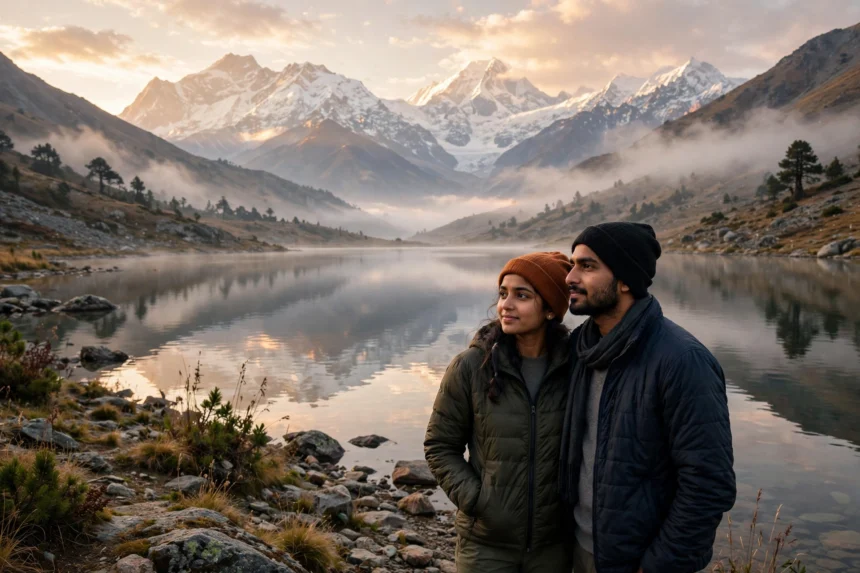
If gymcation is about keeping habits alive, signal severance is about killing one: the phone. Two out of three Indian travellers say they want a digital detox on holiday, yet switching off is harder than booking the trip. Only 23 per cent disconnect the moment their journey begins, while 43 per cent admit it takes a while to stop checking their screens.
The reward is real: 75 per cent say they would feel more connected to nature without their phones, 73 per cent with themselves, and 69 per cent with their loved ones. Fear of missing the news is the biggest obstacle. Search data backs the desire though. Pokhara in Nepal has seen flight searches jump 166 per cent year on year, Agatti in Lakshadweep is up 157 per cent, and Phu Quoc in Vietnam has risen 133 per cent. Quiet corners are officially in demand.

Currency chasers: value is the new luxury
The third big shift is about money. Two out of three Indian travellers say they have changed, or considered changing, a destination because another option offered better value. The currency chasers are hunting favourable exchange rates and stretching their budgets further, with destinations across Central Asia and Eastern Asia, including Japan and Vietnam, drawing attention.
Travellers are not pinching pennies. Spending intent is up. Value has simply become a filter, not an afterthought: where the rupee goes further, the traveller follows.
Music, merch and grand odysseys round out the list
The remaining trends show just how experience-hungry the Indian traveller has become:
- Sound Bound: Music is pulling travellers out of concert halls. 43 per cent are choosing carnival-style music experiences, while 38 per cent want gigs in unusual venues like volcanoes, pyramids and caves.
- Pilgra-merch: The souvenir, but exclusive. 80 per cent say they have visited a specific destination or store just to buy something that can only be found there.
- Sten Do Surge: History-inspired journeys are drawing travellers who want their trips to carry a sense of place and past.
- Grand Odysseys: Longer, more ambitious journeys are back on the wishlist, as travellers plan trips that feel like events in themselves.
The AI co-pilot
Running through all of this is technology. 87 per cent of Indian travellers are now confident using AI to plan and book trips. Ghose notes the real shift is from simply choosing where to go to thinking carefully about the experience a trip should deliver, whether that means switching off, staying active or getting better value.
Put together, the picture is clear: the 2027 Indian traveller wants a holiday that fits their life. Fit, disconnected, value-aware and experience-obsessed.
Frequently asked questions
What is the Skyscanner Travel Trends 2027 report?
An annual report released this week by Skyscanner, combining its search data with a survey of 2,000 Indian travellers to identify the behaviours expected to shape travel in 2027.
What is a gymcation?
A holiday built around fitness routines. 91 per cent of Indian travellers said they would likely book a hotel with nutrition-focused breakfast options, and 53 per cent actively look for good fitness facilities.
Which destinations are trending for digital detox holidays?
Pokhara in Nepal (up 166 per cent), Agatti in Lakshadweep (up 157 per cent) and Phu Quoc in Vietnam (up 133 per cent).
How many Indians plan to travel abroad more in 2027?
58 per cent, with 56 per cent expecting to spend more on flights and 44 per cent planning to spend more on accommodation.
What are the seven trends in the report?
Sound Bound, Signal Severance, Gymcation, Pilgra-merch, Sten Do Surge, Grand Odysseys and Currency Chasers.
Planning a trip for 2027? Keep an eye on the trends above, and the fares will likely follow.