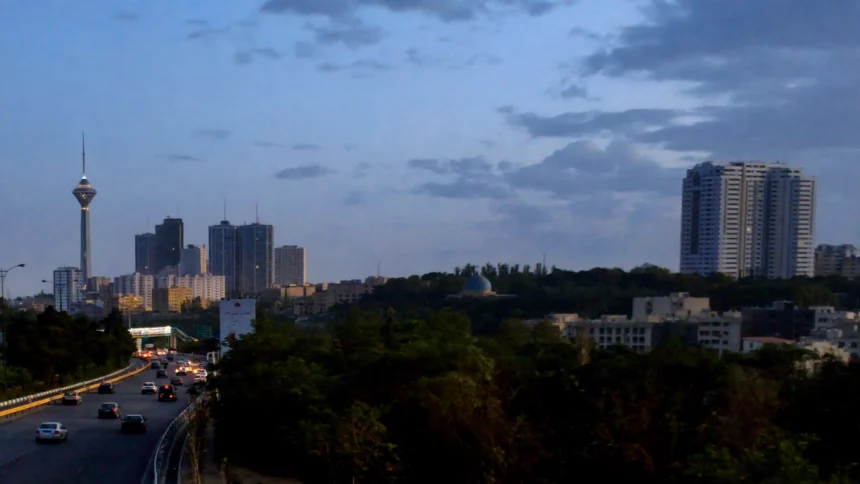
Tehran is at the centre of a closely watched diplomatic effort on Monday, as top officials from Saudi Arabia, Pakistan and Turkey meet Iran’s leaders in the Iranian capital. The meeting is the first high-level contact between Iran and all three members of the Mecca Pact bloc since Saudi Arabia was drawn deeper into the wider Iran conflict, and it comes at a moment when tensions across the Middle East are running high.
Saudi Arabia will be represented by Defence Minister Prince Khalid bin Salman, Pakistan by army chief Field Marshal Asim Munir, and Turkey by intelligence chief Ibrahim Kalin, according to Saudi and Iranian officials cited by Reuters. The talks are expected to focus on regional security, de-escalation and the risk of a wider confrontation, rather than on any single dispute.
For readers in India, the stakes are clear. The Gulf is central to global energy supplies, millions of Indians live and work across the region, and any sharp escalation is felt quickly through oil prices and shipping.
Who is meeting in Tehran, and why now
The timing is the story. Attacks by Yemen’s Iran-aligned Houthis have spiralled in recent weeks, rhetoric between Washington and Tehran has grown more heated, and reports say both the United States and Iran have drawn up plans that could restart the wider war, possibly after the US midterm elections on November 3.
Against that backdrop, a senior Iranian official said the Tehran meeting was initiated by Pakistan during Munir’s visit to Tehran last week, when he met Iranian President Masoud Pezeshkian and other senior officials. Qatari mediators also met Iranian officials in Tehran on Sunday, Reuters reported.
Iranian Foreign Ministry spokesperson Esmaeil Baghaei said discussions would include Israel’s policies, developments in the Palestinian territories and Lebanon, and the repercussions of US and Israeli military action against Iran. He called the meeting a possible first step towards regional security mechanisms.
What is the Mecca Pact
The Mecca Joint Defence Agreement, also spelled Makkah in some reports, was signed in August by Saudi Arabia, Pakistan and Turkey. Under the pact, an armed attack on one member is considered an attack on all, a commitment that raises the stakes of any regional clash and makes coordination between the three countries especially important.
That is why Monday’s format matters. It brings the whole three-nation bloc to the table with Iran at the same time, giving Tehran a single channel to the group.
- Saudi Arabia: Defence Minister Prince Khalid bin Salman, representing the kingdom at the centre of the recent tensions.
- Pakistan: Army chief Field Marshal Asim Munir, who proposed the meeting during his Tehran visit last week.
- Turkey: Intelligence chief Ibrahim Kalin, bringing Ankara’s security and diplomatic channels to the table.
- Iran: President Masoud Pezeshkian’s government, hosting the talks and setting out its conditions for any wider dialogue.
What is on the table
Officials have not published a formal agenda, and no outcome had been announced as the meeting got under way on Monday.
First, there is the immediate risk of escalation linked to Houthi attacks and the wider US-Iran confrontation. Second, there is the longer question of how regional powers talk to each other when Washington and Tehran are not talking directly. During Munir’s visit last week, Iranian officials told him there would be no talks with Washington until Tehran’s demands were met, according to Iranian media cited by Reuters.
Earlier mediation involving both Pakistan and Qatar helped produce an interim peace agreement in June, but that deal quickly unravelled as fighting resumed weeks later. That history is a reminder of how fragile any new understanding could be.
Why the world is watching
The meeting is being watched in Washington, Tel Aviv, Riyadh, Islamabad and Ankara, and in capitals across Europe and Asia, for a simple reason: the next few weeks could decide whether the region moves towards negotiation or towards another round of fighting.
A calm, substantive meeting in Tehran would signal that regional channels are still working, even when direct US-Iran talks are stalled. Diplomacy in this region rarely moves in one dramatic leap. It moves, when it moves at all, in small, carefully worded steps. Monday’s meeting in Tehran is one such step, and the world will be reading it closely.
FAQs
Who is meeting Iran in Tehran on Monday?
Top officials from the three Mecca Pact countries: Saudi Defence Minister Prince Khalid bin Salman, Pakistan army chief Field Marshal Asim Munir, and Turkey intelligence chief Ibrahim Kalin.
What is the Mecca Pact?
It is the Mecca Joint Defence Agreement signed in August by Saudi Arabia, Pakistan and Turkey, under which an armed attack on one member is considered an attack on all.
Why is this meeting significant?
It is the first high-level contact between Iran and all three bloc members since Saudi Arabia was drawn deeper into the wider Iran conflict, and it comes amid rising Houthi attacks and heated US-Iran rhetoric.
What will the talks discuss?
Regional security, including developments in the Palestinian territories and Lebanon, and the repercussions of US and Israeli military action against Iran, according to Iran’s Foreign Ministry spokesperson.
Has an outcome been announced?
No outcome had been announced as the meeting got under way on Monday. Watch for any joint statement and for whether further talks are scheduled.
Informeia will update this story as official statements emerge from Tehran.