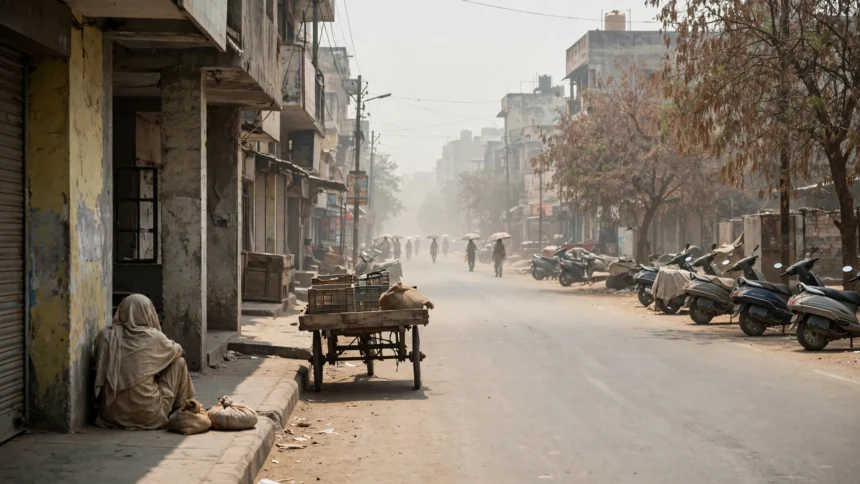
India is now among the countries where extreme heat hits the youngest and the oldest hardest. That is the finding of a global health report published on Wednesday, which puts India alongside China, the United States and Russia for heatwave exposure among infants and older adults.
The 2026 report of the Lancet Countdown on Health and Climate Change, published in The Lancet ahead of the COP31 climate summit, tracks how warming is already changing health. Its message is blunt: the harm is growing faster than the response, and the people least able to protect themselves are paying the highest price.
What the report found
Led by University College London and produced with the World Health Organization, the tenth annual Lancet Countdown report draws on 146 researchers from more than 100 institutions in over 30 countries. It tracks 54 indicators, from heat and air pollution to infectious disease, energy and adaptation.
On heatwave exposure, the global picture for 2025 was the second worst on record. Older adults were exposed to 10.8 billion person-days of heatwaves, while infants faced 1.1 billion person-days. Only 2024 was worse, with 15.3 billion person-days for older adults and 2.3 billion for infants.
Adjusted for population size, the average older adult lived through 12.8 heatwave days in 2025. The average infant lived through 8.7. India ranked among the top countries on both measures.
- 10.8 billion person-days: heatwave exposure for older adults worldwide in 2025, the second highest ever recorded.
- 1.1 billion person-days: heatwave exposure for infants worldwide in 2025.
- 710,000 deaths: estimated heat-related deaths worldwide in 2023, a record, with more than 70 percent linked to human-caused climate change.
- Almost 3 million: estimated heat deaths linked to climate change between 2016 and 2023.
Heat deaths are rising, and fast
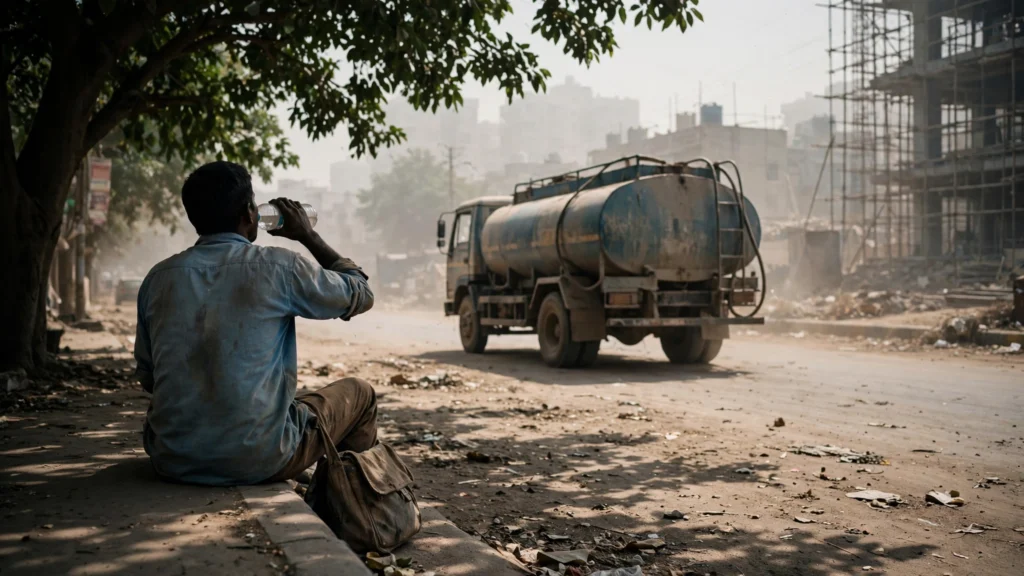
Heat was linked to an average of 540,800 deaths a year between 2016 and 2023, and 68 percent of those deaths were attributed to human-caused climate change. That is up from 55 percent in the previous decade. In 2023 alone, the hottest year in that period, an estimated 710,000 people died from heat-related causes, a toll the authors note exceeded deaths from malaria or HIV in that year.
Overall, heat-related deaths rose by nearly 36 percent after the Paris Agreement came into force. Lancet Countdown executive director Marina Romanello said the harms are growing faster than the response, and in many cases accelerating.
Why India is so exposed
India specific findings reported on Wednesday underline how much of this risk is here. Climate change accounted for half of the heatwave days in India between 2016 and 2025, according to the report. Heat exposure also cost an estimated 193 billion potential labour hours every year, as outdoor work became unsafe in peak heat.
India has many older adults and young children, millions of outdoor workers, and summers that are already long and fierce. In longer, hotter heatwaves, shade, water and rest become health care, not comforts.
The authors say progress on clean energy has not been enough to offset harm from fossil fuel driven climate change.
A call to declare a global health emergency
A decade after the Paris Agreement, the authors are calling for climate change to be formally declared a global health emergency. They want a new World Health Organization instrument to coordinate the response, and health placed at the centre of every climate decision, from emissions targets to climate funding.
Their priorities are practical: fair emissions cuts, investment in science, and climate finance as grants, not loans. For India, that means heat plans beyond big cities, shade for outdoor workers, clinics ready for heat illness, and warnings families receive in time.
What families can do during extreme heat
Health experts consistently advise the same basic precautions during heatwaves, and they matter most for infants, older adults and people with heart or breathing conditions.
- Drink water regularly, even before feeling thirsty, and keep oral rehydration salts at home.
- Stay indoors during the hottest hours, and keep rooms shaded and ventilated.
- Check on elderly relatives and neighbours at least once a day during a heatwave, and never leave a baby or child in a parked vehicle.
- Watch for dizziness, confusion, rapid pulse or fainting, and seek medical help quickly if they appear.
Individual care helps, but billions of person-days of exposure in one year needs a public response to match.
FAQs
What is the Lancet Countdown report?
An annual assessment of how climate change affects health, published in The Lancet. The 2026 edition is the tenth report, led by University College London with the WHO, tracking 54 indicators.
Why focus on infants and older adults?
Babies cannot regulate body temperature as well as adults, and older adults often have conditions or medicines that make heat more dangerous.
How many people died from heat in 2023?
An estimated 710,000, a record. More than 70 percent were linked to human-caused climate change.
Has climate change been declared a global health emergency?
No. The authors are calling for it to be formally recognised as one. That is a recommendation, not an announcement by the World Health Organization.
What happens next?
Published ahead of COP31, the UN climate summit. The authors want health to shape emissions, adaptation and finance decisions there.
Heat is no longer a seasonal inconvenience in India. As this report shows, it is a measurable, growing threat to health, and the youngest and oldest among us feel it first.