Washington has cleared one of the biggest air defence deals for Ukraine in months, and Kyiv’s reaction tells you everything about the gap between approval and arrival. On Friday, October 30, the United States State Department approved the potential sale of 500 Patriot interceptor missiles to Ukraine in a package valued at an estimated $2.1 billion. Ukrainian President Volodymyr Zelenskyy welcomed the decision within hours, and then immediately asked for something the paperwork cannot give him: speed.
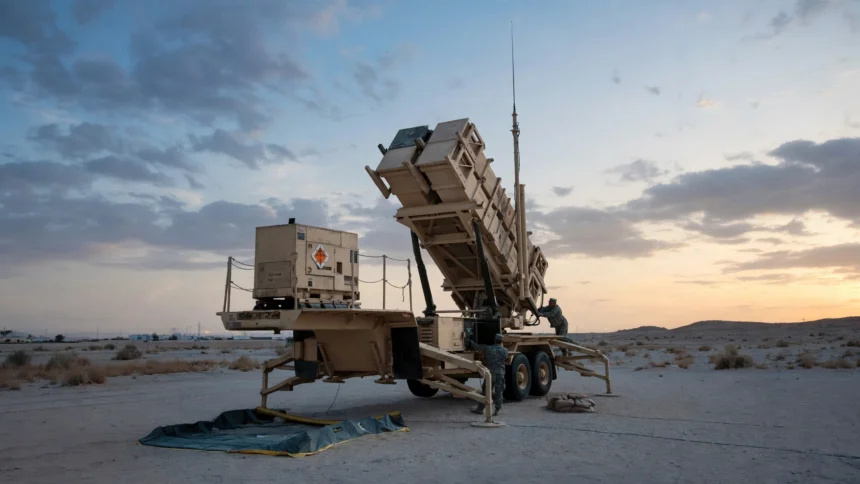
The missiles in question are Patriot Advanced Capability-3 Missile Segment Enhancement interceptors, known as PAC-3 MSE. They are the sharp end of Ukraine’s air defence, the interceptors tasked with knocking down Russian ballistic missiles before they hit cities, power stations and rail hubs. The package also includes spare parts, telemetry kits, ground support equipment and logistics support. Lockheed Martin is named as the principal contractor.
Here is the catch, and it is a large one. Approval is not delivery. The sale must still pass through the standard congressional review process, and the missiles themselves have not been built yet. Two people briefed on the decision told Reuters the interceptors are not expected to be delivered until a couple of years into the 2030s. A Radio Free Europe correspondent citing informed sources put it more bluntly: deliveries are not expected before 2030.
Why Zelenskyy is asking for missiles now, not in 2031
Ukraine’s air defence crews are fighting a winter war with dwindling stocks. Zelenskyy said Ukraine has been receiving an average of only 12 Patriot interceptors per month this year. In his October 30 address, he said Russia had launched 17 ballistic missiles overnight and described Patriot ammunition as being in short supply.
That is why his response to Washington carried two messages at once. He called the approval a strong decision and said 500 interceptors could make for a highly effective defence package this winter. Then he warned that deliveries may begin only in a few years, and urged the United States to supply missiles immediately from existing American and allied stockpiles, with new production replenishing those inventories later.
Kyiv has asked for a winter support package of roughly 100 Patriot interceptors per month. That request is a Ukrainian proposal, not a confirmed delivery arrangement, but it shows the scale of what commanders believe they need to get through the cold months, when Russian strikes on energy infrastructure tend to intensify.
Who pays for the $2.1 billion package
No United States government funds are allocated to the transaction. Instead, Ukraine will pay through contributions from Canada, Germany and Norway, routed through a US programme called JUMPSTART, short for the Joint Ukraine Multinational Program, Services, Training and Articles Rapid Timeline. National funds financed by the European Union’s Ukraine Support Loan are also part of the funding mix.
The structure matters. It is the same allied-funding model that has kept American weapons flowing to Kyiv without direct US budget outlays, and it explains why Canada’s backing for a 90 billion euro Ukraine support loan, agreed with the European Union this week, is part of the same story.
Ukrainian Defence Minister Yevhenii Khmara has separately called on the E5 countries, Germany, the United Kingdom, France, Poland and Italy, to consider supplying 10 percent of their Patriot and IRIS-T interceptor stocks in exchange for future deliveries.
What the PAC-3 MSE can actually do
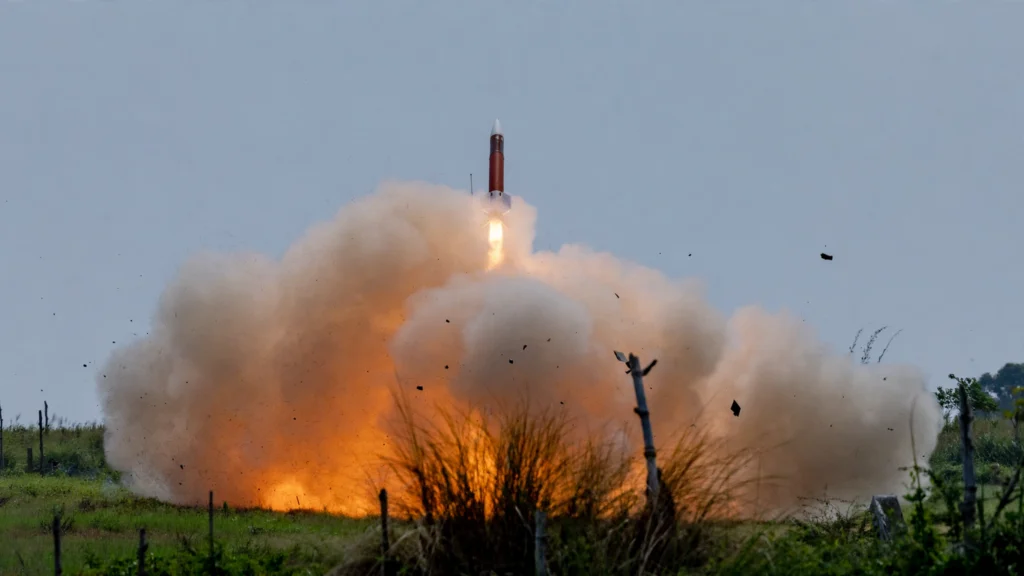
The PAC-3 MSE is one of the few Western interceptors proven against the ballistic threats Ukraine faces daily. It is designed to defeat Russian 9M723 ballistic missiles fired by the Iskander-M system, as well as air-launched Kinzhal aero-ballistic weapons. The MSE variant flies further and higher than earlier PAC-3 versions, with an upgraded motor and larger fins for sharper manoeuvres in the final seconds of an intercept.
What happens next
The formal notification to Congress starts the statutory review clock. If no objections block it, procurement contracts can follow, and Lockheed Martin’s production lines will begin turning the order into hardware. That production timeline is exactly what Kyiv is trying to work around with its stockpile-swap proposals.
The approval came as foreign ministers gathered in Atlanta for the G20 meeting, where the war in Ukraine and its economic fallout were high on the agenda. For Ukraine, the message from Washington is encouraging. The question is whether the missiles arrive in time to matter for the winter they were meant to defend.
FAQs
How many Patriot missiles did the US approve for Ukraine?
500 PAC-3 MSE interceptors, in a package valued at an estimated $2.1 billion, approved by the US State Department on October 30, 2026.
When will Ukraine receive the missiles?
Not soon. The missiles are yet to be manufactured, and sources briefed on the deal say deliveries are not expected until a couple of years into the 2030s. Zelenskyy has urged faster transfers from existing stockpiles.
Who is paying for the deal?
Canada, Germany and Norway through the US JUMPSTART programme, along with national funds financed by the EU’s Ukraine Support Loan. No US government funds are involved.
Who makes the PAC-3 MSE interceptor?
Lockheed Martin is the principal contractor for the sale.
Does the deal include new Patriot launchers?
No. The package covers interceptors, spare parts and support equipment, not additional radars, launchers or engagement control stations.
For Ukraine, the approval is real progress wrapped in a hard deadline problem. The missiles are coming. The winter is coming sooner.