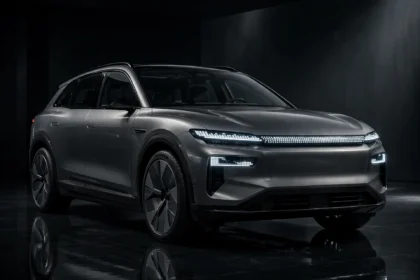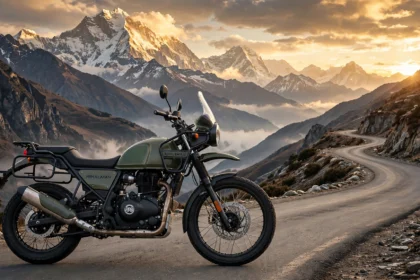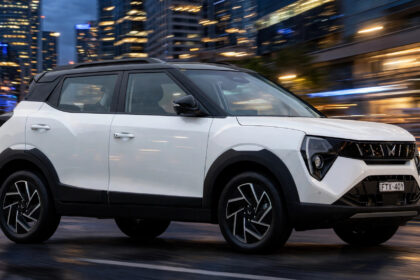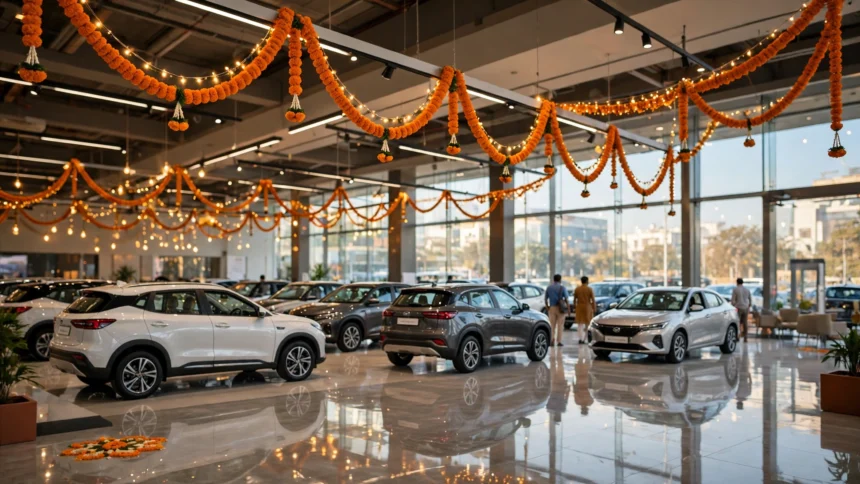
The festive season has delivered its first report card for India’s automobile industry, and it makes for curious reading. Passenger vehicle registrations fell a sharp 21.91% during Navratri 2026, according to fresh data from the Federation of Automobile Dealers Associations (FADA). But the same set of numbers contains a completely different story: electric vehicles just recorded their strongest festive-season performance on record, taking more than one in ten of all vehicles registered this Navratri.
The headline numbers
FADA’s provisional tally covers registrations between October 11 and October 20, 2026, compiled from 1,468 of India’s 1,469 regional transport offices as of October 21. Here is how each segment performed against Navratri 2025:
- Total vehicles: 11,23,086 units, down 6.52% from 12,01,479
- Passenger vehicles: 1,82,728 units, down 21.91% from 2,34,004
- Two-wheelers: 8,34,075 units, down 2.79% from 8,58,027
- Three-wheelers: 45,735 units, down 7.51%
- Commercial vehicles: 35,618 units, up 1.12%
- Tractors: 22,690 units, up 0.89%
Why the 22% car decline is not what it seems
The steep passenger-vehicle drop has an important asterisk. Last year’s Navratri window ran for 11 days, from September 22 to October 2, against just 10 days this year. More significantly, September 22, 2025 was the day India’s revised GST rates took effect, and buyers who had been holding back rushed into showrooms. The GST rate on small cars fell from 28% to 18% on that day, pulling forward a huge wave of demand that this year’s numbers are being compared against.
FADA President Sai Giridhar described the 6.52% overall decline as largely optical, pointing to the longer 2025 festive window and the GST 2.0 rollout that created an exceptional sales base. The comparison with Navratri 2024 supports that reading: against the same 10-day festival period two years ago, total registrations are actually up 26.76%, and passenger vehicle registrations are up 10.39%.
The EV counter-story
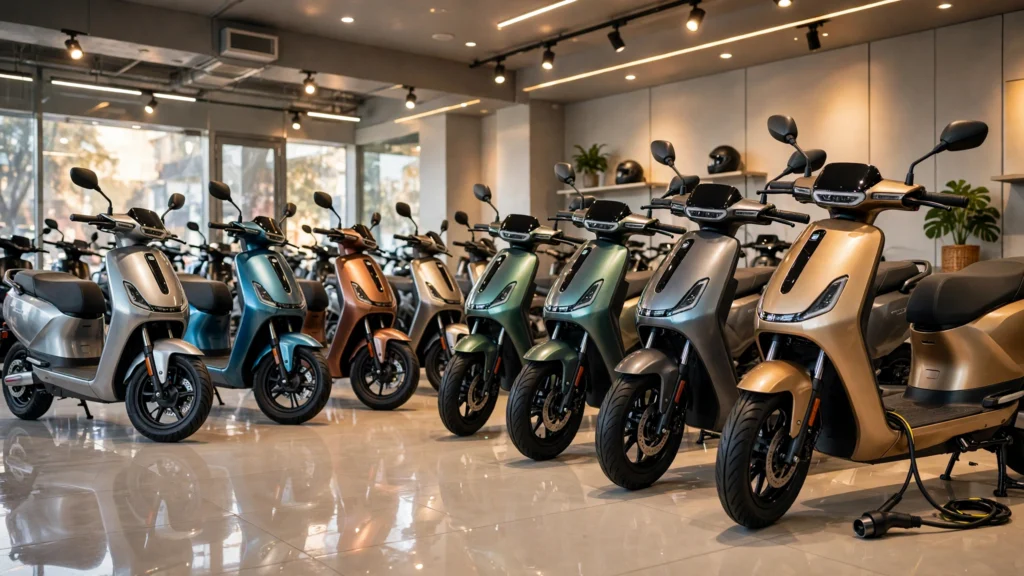
While conventional sales slipped, electric vehicles went in the opposite direction. Total EV registrations during Navratri reached 1,17,437 units, up 26.78% from 92,628 last year. EVs now account for nearly 10.5% of all festive vehicle registrations, up from about 7.7% a year ago.
The gains were broad-based:
- Electric two-wheelers: 75,758 units, up 33.41%
- Electric three-wheelers: 28,086 units, up 10.51%
- Electric passenger vehicles: 12,305 units, up 25.97% from 9,768
- Electric commercial vehicles: 1,288 units, up 96.04%
Electric cars expanded their share of passenger-vehicle registrations from 4.17% to 6.73% in a single year. On a daily-average basis, electric car registrations rose from 888 to 1,231 units a day, an increase of 38.6%, even as non-electric car registrations fell 24% in absolute terms. “The real stand-out is electrification; EV retail grew26.78% and now accounts for close to 10.5% of festive sales, up from about 7.7% a year ago, showing that India’s EV shift has become self-sustaining,” said Giridhar.
Carmakers say showrooms are busy
The industry itself is reading the numbers with a shrug. Tata Motors Passenger Vehicles delivered more than 50,000 vehicles during Navratri, including over 10,000 on Dussehra alone. Maruti Suzuki is reporting bookings piling up, and Hyundai Motor India is similarly confident about the season. Manufacturers are stepping up production and pushing popular models into dealerships ahead of the final festive stretch.
The industry’s focus is now squarely on converting that order pipeline into deliveries between Dhanteras and Diwali. Analysts note that on a daily-registration basis, Navratri 2026 actually ran slightly ahead of 2025: roughly 1.12 lakh vehicles a day this year against 1.09 lakh a day last year. The Dhanteras-to-Diwali window will give the clearest picture of whether this festive momentum is real.
Frequently asked questions
How many vehicles were registered during Navratri 2026?
A total of 11.23 lakh vehicles were registered between October 11 and 20, down 6.52% from Navratri 2025.
Why did car registrations fall 22%?
Mostly a high-base effect. Last year’s Navratri lasted 11 days and coincided with the GST 2.0 rollout, which cut GST on small cars from 28% to 18% and pulled a wave of purchases forward.
How did electric vehicles perform?
EV registrations rose 26.78% to 1,17,437 units, accounting for nearly 10.5% of all festive registrations. Electric car registrations grew about 26% to 12,305 units.
Did any segment actually grow?
Yes. Commercial vehicle registrations rose 1.12% and tractors 0.89%. Every EV sub-segment grew as well.
Is festive auto demand really weak?
Compared with Navratri 2024, total registrations are up 27% and car registrations are up 10%. Carmakers point to Dhanteras-Diwali as the real test of festive demand.
The numbers tell a story of a market in transition rather than one in trouble. Headline registrations are down against an inflated base, but the quiet, steady rise of electric vehicles through the festive season may be the figure the industry remembers longest.