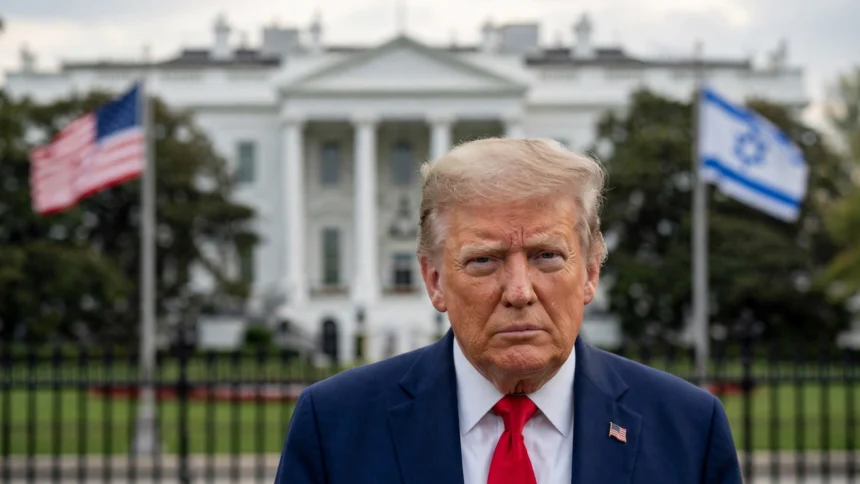
The United States will stop giving Israel around $4 billion in aid every year from 2027, President Donald Trump has said, marking one of the biggest shifts in the US-Israel military relationship in decades. Arms sales, however, will continue, and Trump insisted Washington would still help Israel if it needed support.
Trump made the announcement on Tuesday, November 3, during a phone call with Fox News Channel on the day Americans voted in the midterm elections. He said Israeli Prime Minister Benjamin Netanyahu had himself raised the idea, and that the two leaders had been discussing it for a couple of years.
“You can consider it barter. You can consider military aid or cash,” Trump said. “Look, we give them $4 billion of things and money, and they don’t need it. And I was approached by Bibi Netanyahu, and we’ve been talking about it for a couple of years because it’s a lot of money.”
Trump added that the two leaders had already agreed the payments would end by the close of this year. “We’ve already agreed that by the end of this year we won’t be paying Israel. Now we’ll help Israel if they need it,” he said. Netanyahu’s office had not immediately commented on the remarks.
From annual aid to arms purchases
The key change is in how America supports Israel, not whether it supports Israel. Under Trump’s plan, the yearly grant-style assistance stops, but Israel would buy American weapons directly instead of receiving them through the aid package. The money flow changes direction: rather than Washington funding the purchases, Jerusalem would pay for them itself.
Trump framed the move as a sign of Israel’s strength, describing it as a thriving country with a strong economy and military that no longer needs American financial assistance. He also said the $4 billion payment had become a political talking point in the United States, used by critics to question the fairness of the arrangement.
What the current deal actually says
The announcement raises immediate questions about the existing agreement between the two countries. In September 2016, then President Barack Obama signed a 10-year memorandum of understanding with Israel, committing $38 billion in military assistance for the fiscal years 2019 to 2028.
Under that deal, the annual figure is $3.8 billion, made up of $3.3 billion in Foreign Military Financing and $500 million for joint missile defence programmes. Trump’s $4 billion figure is therefore a rounded version of the actual amount, a point several reports have noted.
The memorandum does not expire until 2028, which is why analysts are asking how the funding can be halted by the end of 2026. It is also not a treaty, and American military aid needs approval by Congress, which controls federal spending. No formal White House directive or publicly disclosed agreement has accompanied Trump’s remarks yet.
- The headline figure: About $4 billion a year in US aid to Israel, ending from 2027 under Trump’s plan.
- The actual deal: $38 billion over 10 years (2019 to 2028), or $3.8 billion a year, signed in 2016.
- What continues: Arms sales to Israel, with Washington saying it will still help if Israel needs it.
- What is unclear: No formal order or timeline has been published, and Netanyahu’s office has not commented.
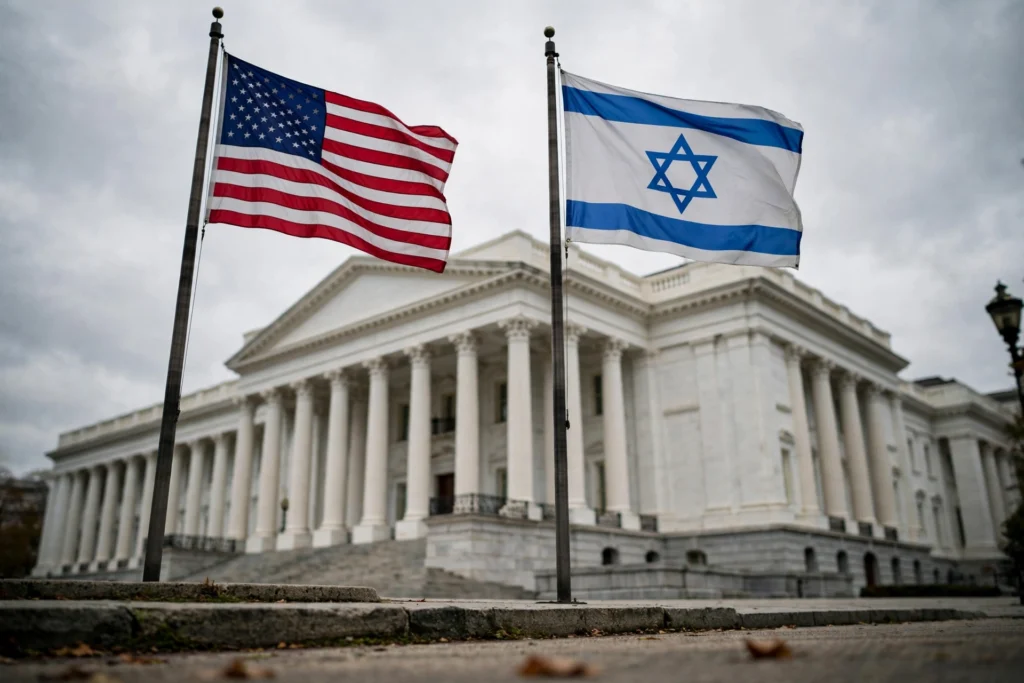
Netanyahu’s long push to end reliance on aid
Netanyahu has, in the past, spoken openly about reducing Israel’s dependence on American military assistance. He told The Economist in January that he wanted to taper off US military aid over the next 10 years, and said such a change was already in the works.
Trump’s announcement, if implemented, would speed that process up considerably, compressing a decade-long taper into a cutoff at the end of this year. That gap is one reason observers are waiting for written details before judging how far the policy will actually go.
Why this matters beyond Washington and Jerusalem
For Israel, the end of annual aid would mean funding its own weapons purchases at a time when its defence spending is already high. For the United States, it would close one of the longest-running and most debated foreign aid arrangements in American politics. Trump paired the announcement with a message that the alliance itself is unchanged.
What happens next will depend on the details that are still missing: whether Congress agrees, how the 2016 memorandum is handled, and what Netanyahu’s government says publicly. Until a written plan appears, Tuesday’s phone call is a statement of intent, not yet a finished policy.
FAQs
Is the US ending all military support to Israel?
No. Annual aid payments stop from 2027, but arms sales continue and the US will help if Israel needs it.
How much aid does Israel currently receive?
About $3.8 billion a year under the 2016 deal, which Trump rounds to $4 billion, totalling $38 billion over 10 years.
When will the aid actually stop?
Trump said payments end by the close of 2026, with no aid from 2027, but no formal order has been published yet.
Did Netanyahu agree to this?
Trump said Netanyahu raised the idea and they agreed it months ago. Netanyahu’s office has not commented.
Does Congress have a say?
Yes. US military aid needs congressional appropriations, and the 2016 memorandum is not a binding treaty.
Washington’s next move, and Jerusalem’s response, will decide whether Tuesday’s announcement becomes written policy.