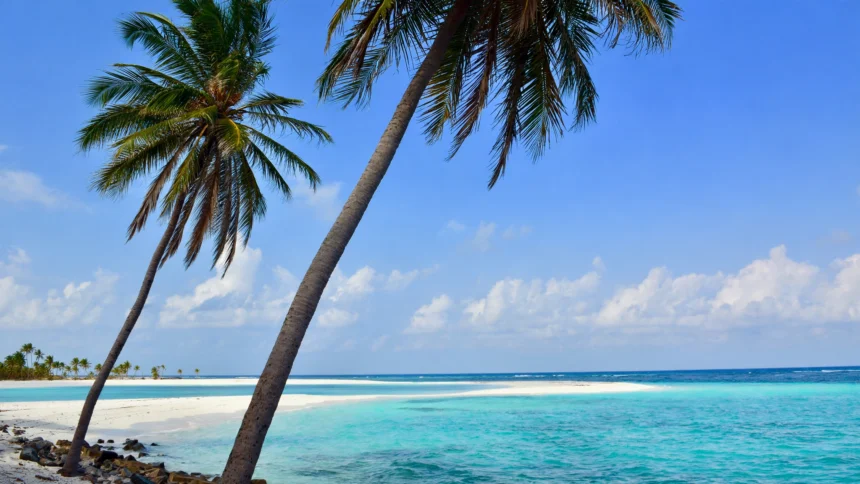
November is when Lakshadweep quietly becomes one of the best trips in India. The monsoon has pulled away, the sea has calmed, and the lagoons turn that impossible shade of turquoise. Until around April, this scatter of 36 coral islands off the Kerala coast is at its best: clear water, easy diving, and beaches with barely another soul on them.
Travellers keep calling Lakshadweep India’s answer to the Maldives. Same white sand, same shallow reef lagoons, same slow island rhythm, without leaving the country and without the Maldives price tag. The catch is the planning: permits, limited flights, small guesthouses. That friction is also why the islands have stayed uncrowded while other beaches fill up.
Why right now is the window
The season runs broadly from October to May, and November to March is the sweet spot. Seas are calm, skies are clear, and underwater visibility is at its best, which matters because the reef is the whole point of the trip. The diving season runs from October to May, when the water is warm and boats run on schedule.
December and January are the peak weeks, and also the priciest. Rooms and ship berths are limited, so early bookers get the pick of the islands. June to September is the monsoon, when rough seas cancel ships, disrupt flights and shut down most diving.
The permit is simpler than it used to be
Every visitor needs an entry permit, including Indian citizens. The rule dates back to 1967 and protects the small island communities and the fragile reef. What changed this year is how much easier the process has become. Since a circular of 29 April 2026, tourists no longer need a local sponsor from the islands, and no longer have to upload a police clearance certificate.
Apply online through the Lakshadweep Administration’s e-permit portal, at least 14 days before you travel. Up to six people can be covered on one application, and the permit is tied to the islands and dates you plan to visit, so decide your route before you apply. Without an approved permit, you will not be allowed onto the islands, and it cannot be fixed on arrival. Foreign visitors face tighter limits: they may currently stay only on Agatti, Bangaram and Kadmat, with Kavaratti allowed as a transit stop.
Which island to pick
Only ten of the 36 islands are inhabited, and fewer still are open to visitors. Agatti is the gateway and the only island with an airport, with a long lagoon, good water sports and several dive centres. Kadmat is the diving island, a long narrow strip with a wide lagoon and the strongest marine programme. Kavaratti is the administrative capital, with a large lagoon, a marine aquarium and the old Ujra mosque, known for its carved wooden ceiling.
Bangaram is the wildcard: an uninhabited island with a private resort, often described as having the best lagoon in the archipelago. At night, its beaches can glow with bioluminescent plankton. It is also the one exception to Lakshadweep’s dry rule: the rest of the territory does not serve alcohol.
What to actually do there
Snorkelling is the easiest win. The lagoons are shallow and calm, the water is clear enough to see the seabed several metres down, and the reefs are alive with fish, turtles, reef sharks, rays and huge schools of fish. Scuba diving is the deeper version of the same pleasure. Kayaking, glass-bottom boat rides and beach walks fill the rest of the day.
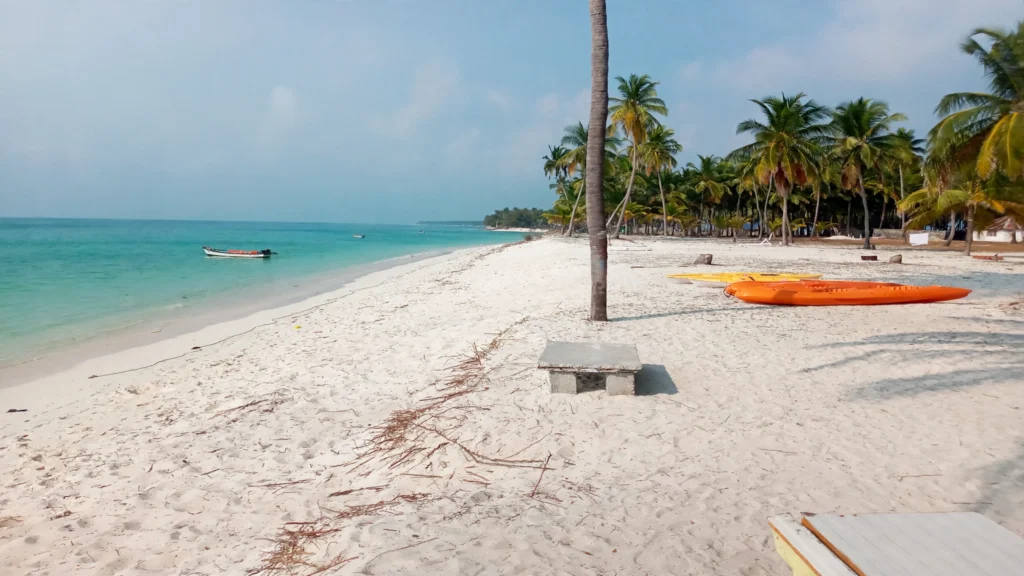
There is not much nightlife or shopping in the conventional sense, and that is the point.
How to get there
All routes start from Kochi in Kerala. Fly to Agatti on small turboprop aircraft, or take an overnight passenger ship from Kochi. From Agatti, inter-island ferries connect the open islands, though schedules depend on the sea. Most visitors travel on a package, which usually bundles the permit, transfers and stay. Book early for December or January: rooms and ship berths are few, the peak weeks fill fast, and some tariffs carry a surcharge.
Good to know before you go
- Permits first, tickets second. Apply at least 14 days ahead and wait for approval before locking in non-refundable bookings.
- Carry cash and patience. Connectivity is limited and island life runs slower than the mainland. Do not rely on ATMs and card machines.
- Respect the reef. Do not stand on coral or take shells home, and follow the dive centre’s rules. The reef is why the islands look the way they do.
FAQs
When is the best time to visit Lakshadweep?
October to May is the season, with November to March offering the calmest seas and clearest water. December to January is peak diving season, and the busiest stretch.
Do Indian citizens need a permit?
Yes. Every non-islander needs an entry permit, applied for online at least 14 days before travel. Since April 2026, no local sponsor or police clearance certificate is needed.
How do you reach Lakshadweep?
Fly from Kochi to Agatti, the only airport, or take an overnight passenger ship from Kochi.
Which islands are open to tourists?
Agatti, Kadmat, Kavaratti and Bangaram are the main ones. Only ten of the 36 islands are inhabited.
Lakshadweep rewards the traveller who plans a little and expects a little less noise. Book the permit, pick one island and one reef, and let the lagoon do the rest.