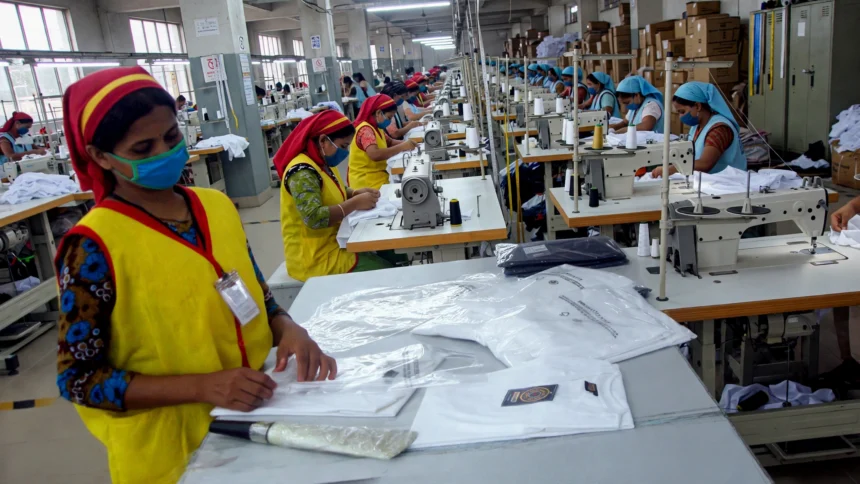
Bangladesh has raised the minimum monthly wage for its garment workers by 36 percent to 17,000 taka, about $139, after weeks of protests that shut factories across one of the world’s biggest clothing export industries. The decision came early on Wednesday, 25 November, after nearly 12 hours of talks.
The new rate is the smallest percentage increase in the country’s garment wage in more than a decade, and it falls well short of what workers had demanded. But after a month of costly unrest, both sides have accepted it, for now at least.
What was decided
The government-appointed Minimum Wage Board approved the new structure in a 4-2 vote at around 2 am on Wednesday. Judge Syed Azad Subhani, the board’s chairman, announced the decision after the meeting ended shortly after 4 am.
Under the four-grade structure, monthly pay will range from 17,000 taka (Grade 4) to 21,500 taka (Grade 1), with Grades 2 and 3 at 20,000 and 19,200 taka. The current minimum of 12,500 taka has been in place for three years.
Two members of the six-member board, including the workers’ representatives, voted against the final figure. They had backed 18,000 taka. Workers’ representative Babul Akhter said afterwards: “Although we are not completely satisfied, the outcome is not entirely bad either.”
The new wage is expected to take effect from 1 December, with workers receiving the revised pay from January. The labour ministry still has to issue the formal notification, and it can raise the rates further before doing so.
Why workers were protesting
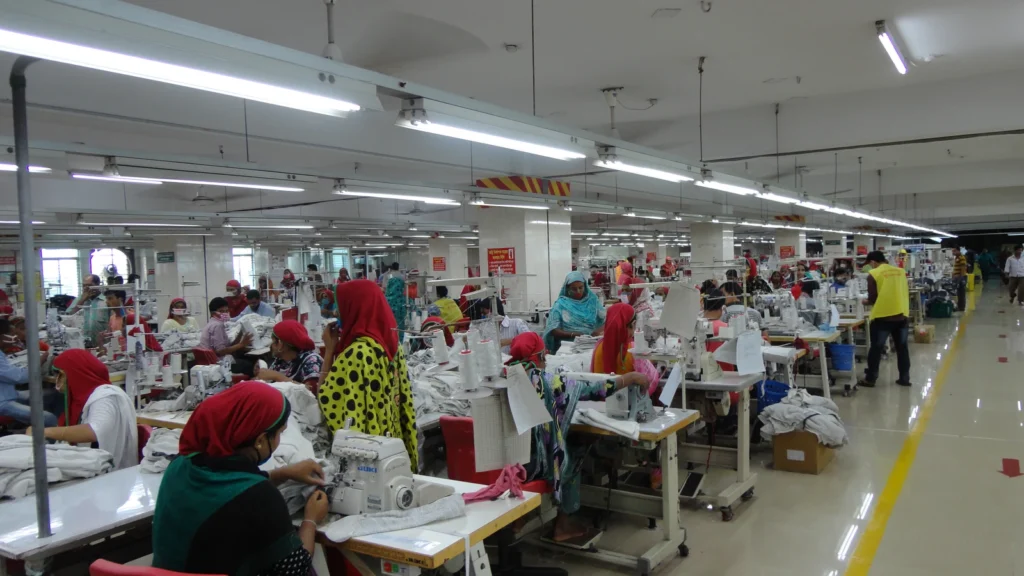
Workers had demanded the minimum wage be doubled to 30,000 taka, about $240 a month, arguing that pay has failed to keep pace with the rising cost of food, housing, transport and health care. Protests began in October and spread across the industrial belts around Dhaka, with workers blocking highways, shutting factories and clashing with police.
The unrest hit just before the Christmas ordering season. The Bangladesh Garment Manufacturers and Exporters Association said protests had cost the industry an estimated $428 million in losses, while orders worth $254 million had shifted to other countries.
Bangladesh is the world’s second-biggest garment exporter after China. The industry earns around $38 billion a year and accounts for about four-fifths of the country’s export earnings.
The smallest rise in decades
The 36 percent increase is the lowest percentage rise in the garment sector’s minimum wage since the first wage structure was introduced in 1986. It is also unusually fast: revisions normally come every five years, but the board, formed on 1 November, finalised its proposal within weeks, just three years after the last revision.
The government moved quickly because the protests threatened an industry the economy cannot afford to lose. Factory owners, squeezed by higher energy costs and brand pressure on prices, resisted a bigger jump.
Why it matters
For the four million-plus workers who stitch clothes for the world’s biggest brands, the new wage means about 4,500 taka more a month, roughly $37. That is real money in Dhaka, but far from the doubling workers asked for. The gap between the 17,000 taka awarded and the 30,000 taka demanded will shape labour relations in the sector for months.
For the global clothing trade, the decision removes an immediate source of uncertainty, and a settled wage, even an unhappy one, is better than shuttered plants. But the settlement is fragile: some workers have already rejected the figure and continued protesting, and the labour ministry can still raise the rates before the final notification. The $254 million of orders that shifted away went to rival exporters such as India or Vietnam. If Bangladesh’s factories stabilise, those orders may return. If unrest flares again, they will not.
What happens next
The labour ministry will now review the wage board’s proposal and issue the official notification. Workers will push for more; owners will lobby to keep the board’s number. The first test comes on 1 December, when the new rate takes effect, and again in January, when the first revised pay packets land. The wage board delivered a deal in record time, but it delivered the smallest rise in decades to workers who wanted double. Whether it lasts will be decided on the factory floor.
FAQs
What is the new minimum wage for Bangladesh garment workers?
17,000 taka a month, about $139, up 36 percent from 12,500 taka. Grade 1 workers get up to 21,500 taka.
When does the new wage take effect?
From 1 December 2026, with workers expected to receive the revised wages from January. The labour ministry must still issue the formal notification.
Why were garment workers protesting?
Workers wanted the minimum doubled to 30,000 taka, saying pay has not kept up with living costs. Protests since October shut factories and blocked highways.
How big is Bangladesh’s garment industry?
It earns around $38 billion a year, about 80 percent of export earnings, and employs over four million workers.
Is the wage decision final?
Not quite. The wage board has finalised its proposal, but the labour ministry makes the final decision and can increase the rates before issuing the official notification.
A pay rise, then, but not the one workers asked for. The next few weeks will show whether it keeps the factories running.