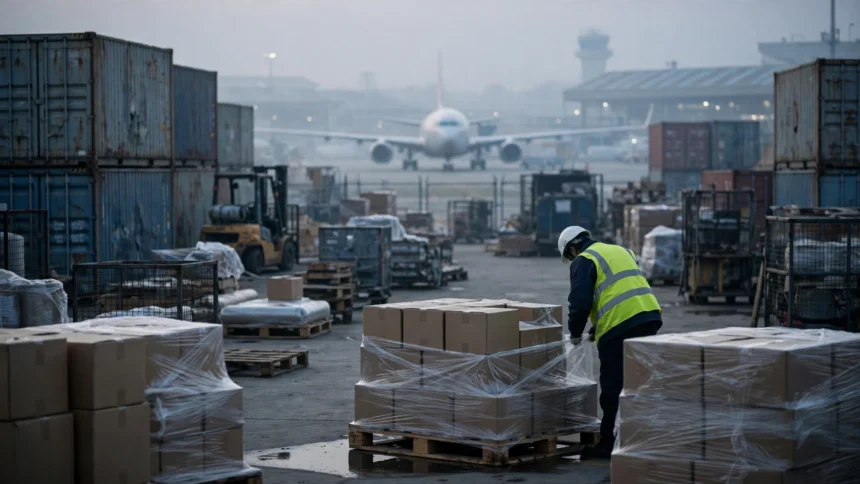
New Delhi, 3 November: Getting a life-saving medicine from a port to a pharmacy in India could soon get faster and cheaper. The Union Health Ministry has proposed adding 10 new authorised entry points for the import of drugs, medical devices and cosmetics, a move aimed at cutting logistics costs and making essential healthcare products available more quickly across the country.
The proposal, announced on Tuesday, comes as a draft amendment to Rule 43A of the Drugs Rules, 1945. That rule lists the ports, airports, railway stations, road crossings and other points through which drugs can legally enter India. By widening that list, the ministry wants importers to clear consignments closer to where they are needed, instead of routing everything through a handful of faraway gateways.
For patients, the effect is practical. Shorter inland journeys mean lower transport bills, fewer delays and a more reliable supply of medicines and medical equipment, especially in cities growing fast as manufacturing and distribution hubs.
Which new gateways have been proposed
The draft names inland container depots (ICDs), a special economic zone and a new international airport spread across five states. The proposed additions are:
- ICD Sonipat, ICD Piyala and ICD Harsaru in Haryana
- ICD Dadri in Uttar Pradesh, and Noida International Airport in Uttar Pradesh for the import of drugs by air
- ICD Gandhidham/Mundra in Gujarat
- ICD Sanath Nagar and ICD Thimmapur in Hyderabad, Telangana
- ICD Whitefield in Bengaluru, Karnataka, and SEZ Bommasandra in Karnataka
These locations will join the existing network of authorised import gateways, which already includes ICDs at Dhannad and Tihi in Indore, Madhya Pradesh, along with airports previously notified for drug imports.
The geography matters. Haryana, Uttar Pradesh, Gujarat, Telangana and Karnataka all host major pharmaceutical units, warehouses and distribution centres. A depot in Sonipat or Dadri puts an entry point within easy reach of the National Capital Region, while Whitefield and Bommasandra serve Bengaluru’s life sciences cluster and Sanath Nagar and Thimmapur serve Hyderabad, long known as a pharma hub.
Why the ministry wants more entry points
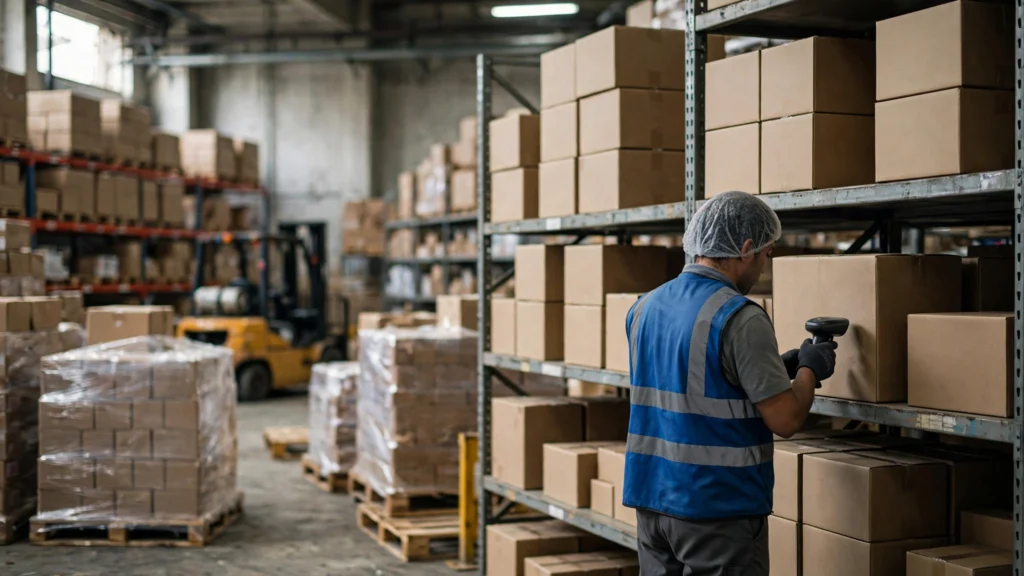
Under the current system, an importer often has to move a consignment a long distance inland after it lands, even if its final destination is nearby. That adds cost, time and handling, and every extra leg in the journey is a chance for delay.
The ministry says the expansion will let importers clear goods closer to their factories, warehouses and distribution centres. That should reduce inland transportation distances, optimise logistics costs and minimise delays in moving imported consignments. In plain terms, medicines should reach shelves sooner, and the savings on transport could ease pressure on prices over time.
Officials also frame the proposal as an ease-of-doing-business measure. A smoother, more flexible import process helps Indian companies that depend on imported active ingredients, finished formulations, devices and cosmetics, and it makes the supply chain more responsive when demand spikes, for example during a seasonal illness surge or a shortage.
What happens next
This is a draft amendment, not a final rule. The ministry has invited objections and suggestions from stakeholders before it is finalised. Submissions can be sent to the Under Secretary (Drugs Regulation) at the Ministry of Health and Family Welfare in New Delhi, or emailed to drugsdiv-mohfw@gov.in. The draft notification is available on the Official Gazette website.
Once feedback is considered, the final list could stay as proposed or change. Importers, industry bodies, state drug controllers and patient groups are all likely to weigh in, particularly on whether the new depots have the testing, storage and inspection facilities that drug imports require.
What it means for ordinary patients
Most patients will never see an inland container depot, and they do not need to. What they may notice, over time, is steadier availability. When import routes are spread wider, a bottleneck at one port or airport is less likely to choke supply everywhere else.
The proposal also complements other efforts to make medicines more affordable and accessible, including price controls on essential drugs. For a country that imports a large share of its medical devices and many drug ingredients, the entry point is where the supply chain begins.
For now, the message from the ministry is simple: more doors for legal drug imports, closer to where India makes, stores and sells its medicines, and a faster route from the border to the patient.
FAQs
What has the Health Ministry proposed?
It has proposed amending Rule 43A of the Drugs Rules, 1945, to add 10 new authorised import gateways for drugs, medical devices and cosmetics.
Which places are on the new list?
ICDs in Sonipat, Piyala and Harsaru (Haryana), Dadri (Uttar Pradesh), Gandhidham/Mundra (Gujarat), Sanath Nagar and Thimmapur (Hyderabad), and Whitefield (Bengaluru), plus SEZ Bommasandra (Karnataka) and Noida International Airport (Uttar Pradesh) for drugs imported by air.
Is this rule final yet?
No. It is a draft amendment, and the ministry has invited objections and suggestions from stakeholders before finalising it.
How will this help patients?
Clearing imports closer to factories and distribution centres should cut transport distances and delays, making medicines and medical devices available more quickly and reliably.
Where can stakeholders send feedback?
To the Under Secretary (Drugs Regulation), Ministry of Health and Family Welfare, New Delhi, or by email to drugsdiv-mohfw@gov.in.
Stay with Informeia for updates on health policy, medicine prices and healthcare infrastructure across India.