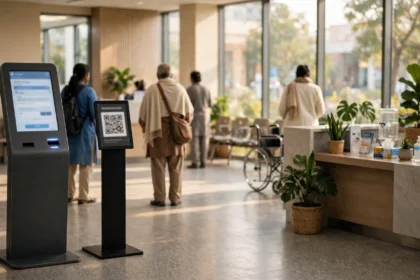

The Centre has asked states to speed up work on nearly 20,000 health infrastructure units approved under the Pradhan Mantri Ayushman Bharat Health Infrastructure Mission (PM-ABHIM), warning that approvals on paper must now turn into working hospitals, labs and critical care beds. Union Health Secretary Punya Salila Srivastava made the push at a national workshop in Bengaluru on 26 November, where officials reviewed progress on the mission and the National Health Mission.
PM-ABHIM, launched on 25 October 2021 with an outlay of Rs 64,180 crore, is the Centre’s big plan to rebuild public health infrastructure after the pandemic exposed gaps in surveillance, diagnostics and critical care. Five years on, the mission has approved 19,983 infrastructure units across the country. The message from Bengaluru was blunt: getting the sanction is done, getting the facility running is the job now.
What has been approved so far
The 19,983 approved units cover the full chain of public health, from village-level clinics to virus research labs:
- 11,001 Ayushman Arogya Mandir-Sub Health Centres, built in locations that previously had no health facility building at all.
- 5,456 Urban Ayushman Arogya Mandirs, bringing primary care into towns and cities.
- 2,151 Block Public Health Units, the backbone of disease surveillance at the block level.
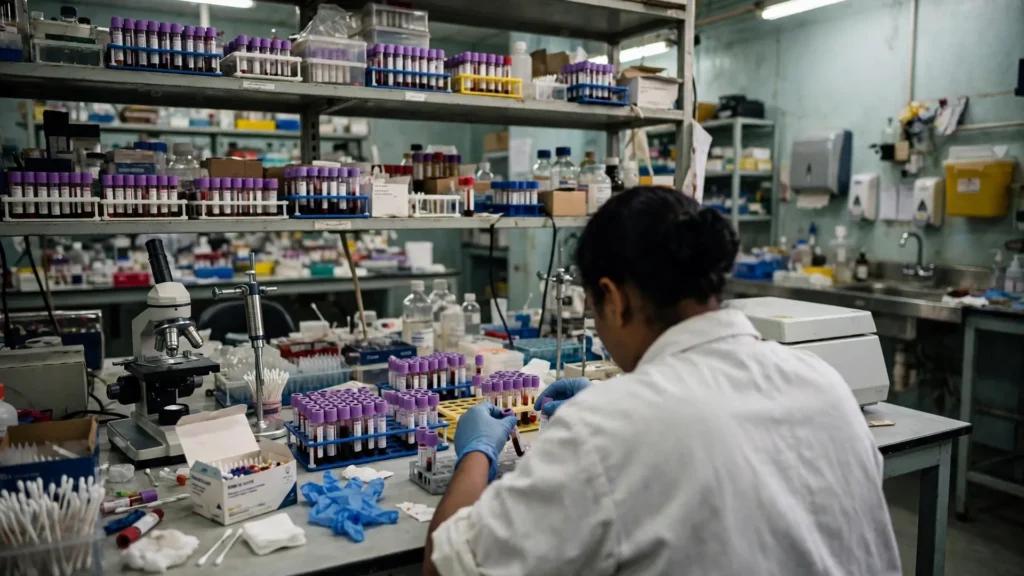
- 744 Integrated Public Health Laboratories at district level, for faster testing and diagnosis.
- 631 Critical Care Blocks, adding intensive care capacity to district hospitals.
- 48 Virus Research and Diagnostic Laboratories, for tracking new and emerging infections.
Together, the numbers describe a system designed to catch outbreaks early, test locally instead of sending samples far away, and treat seriously ill patients closer to home.
Why the Centre is pushing states now
The two-day workshop brought together state health officials and senior Health Ministry officers. Srivastava stressed three things: approved facilities must be made fully operational with equipment and trained staff, states must invest more capital in health, and public-private partnerships should be used where they can speed things up.
The emphasis on operationalisation is the telling part. An approved unit that has no staff, no equipment or no power connection does not help a patient. The Centre’s push suggests that while sanctions have moved fast, getting facilities actually open and staffed has been slower.
Why it matters
This is not just a construction update. The pandemic showed what happens when a country cannot test quickly, track an outbreak block by block, or find an ICU bed in a district hospital. PM-ABHIM is the answer the government designed for exactly those weaknesses, and the 19,983 units are its moving parts.
The practical test is simple. A fever patient in a small town should be able to get a blood test at a nearby lab instead of travelling to a district hospital. A block health officer should be able to spot a cluster of cases early enough to act. A seriously ill patient should find a critical care bed in their own district. Every one of those outcomes depends on the units moving from “approved” to “open and staffed”, which is precisely what the Bengaluru workshop was about.
There is also a money question. The mission’s Rs 64,180 crore outlay is large, but health infrastructure only pays off if states maintain what is built. Buildings without doctors and labs without technicians become the next round of headlines. The Centre’s call for more capital investment and partnerships is an acknowledgement that construction alone will not finish the job.
What changes for patients
For ordinary families, the mission matters most at the primary care level. The 11,001 new sub-health centres and 5,456 urban mandirs are meant to put a functioning clinic within easy reach, where basic treatment, screening and referrals happen without a long journey. The district labs should cut waiting time for test results, and the 631 critical care blocks should mean fewer desperate transfers to big-city hospitals in an emergency.
None of that happens automatically. The next milestone to watch is not another approval figure but the count of units that are actually operational, staffed and seeing patients. That is the number patients will feel.
FAQs
What is PM-ABHIM?
The Pradhan Mantri Ayushman Bharat Health Infrastructure Mission, launched on 25 October 2021 with an outlay of Rs 64,180 crore, strengthens public health infrastructure, disease surveillance, outbreak response, pandemic research and emergency preparedness.
How many health units have been approved under PM-ABHIM?
19,983 infrastructure units have been approved so far, including 11,001 sub-health centres, 5,456 urban health mandirs, 2,151 block public health units, 744 public health laboratories, 631 critical care blocks and 48 virus research laboratories.
Why is the Centre asking states to speed up now?
Union Health Secretary Punya Salila Srivastava told states at a Bengaluru workshop on 26 November that approved facilities must be made fully operational on time, with adequate equipment, trained staff and capital investment.
How does PM-ABHIM help ordinary patients?
It aims to bring primary care, testing and critical care closer to home, so patients can get diagnosed and treated in their own district instead of travelling to big cities.
What should we watch next?
The count of approved units that are actually operational and staffed. Approvals show intent; working facilities show delivery.
With the workshop over, the focus shifts to the states. The approvals are in place and the money is sanctioned. The units must now start working, not just exist on a list.