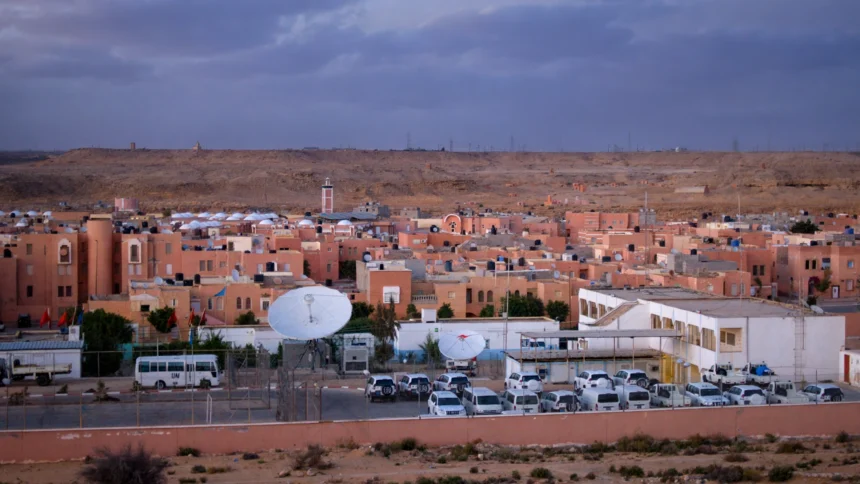
After 35 years on the ground, the United Nations peacekeeping mission in Western Sahara has come to an end. The mission, known as MINURSO, saw its mandate expire at midnight on October 31, and November 1 marked the start of what the UN calls the liquidation phase, with equipment and personnel now being wound down and sent home.
UN Secretary-General Antonio Guterres confirmed the end of the mission on Sunday and warned that the security situation in the disputed territory remains fragile. In a statement delivered by his spokesperson Stephane Dujarric, Guterres said he remains concerned about the security situation throughout the territory and the risk of hostilities escalating now that the peacekeepers are leaving.
The end did not come because the mission finished its job. It came because the UN Security Council, which must renew the mandate, failed to agree on its future.
What happened at the Security Council on Friday
The United States put forward a draft resolution that would have extended the mission for another year, but with a major change. It would have removed the word referendum from the mission’s name, renaming MINURSO as MINUSO, and made Morocco’s autonomy proposal the only basis for further talks on the territory’s future.
The draft had the support of 11 of the 15 Council members, including fellow permanent members France and the United Kingdom. But Russia vetoed it. Explaining the veto, Russia’s UN ambassador Vassily Nebenzia said the text would have imposed one-sided solutions and favoured one side in the dispute.
US ambassador Mike Waltz hit back after the vote, saying it was truly unfortunate that in 2026 a veto had been used to preserve the letter R, for referendum, in a mission name for a vote the UN has not even been preparing to hold for decades.
Russia then tabled its own draft, which would have renewed the existing mandate for a year without those changes. That text also failed, falling short of the nine votes needed for adoption, with most Council members abstaining. With both drafts defeated, the mandate simply ran out.
Why MINURSO mattered for 35 years
MINURSO, the UN Mission for the Referendum in Western Sahara, was set up in 1991 under Security Council resolution 690. It was created to monitor a ceasefire between Morocco and the Polisario Front and to organise a referendum in which the people of Western Sahara would decide the territory’s future.
That referendum never took place. Disagreements over who would be eligible to vote stalled the process for decades, and the mission’s role gradually became one of monitoring the ceasefire and reporting on conditions on the ground rather than preparing a vote.
The territory itself sits at the centre of a dispute that is now more than 50 years old. Morocco controls most of Western Sahara, while the Algeria-backed Polisario Front seeks an independent state. The mission was small by UN standards, with 155 military personnel and a cost of 62 million dollars in the fiscal year that began in June, according to a UN Secretary-General report.
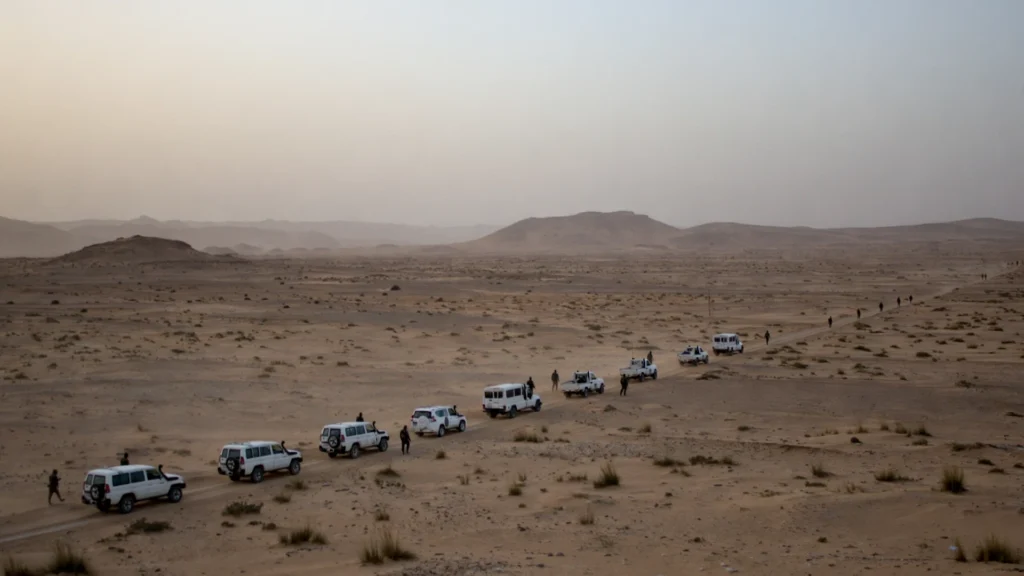
What happens now
The UN has been clear on one point: the end of the peacekeeping operation does not end its diplomatic involvement. Guterres said the UN stands ready to continue supporting efforts to advance dialogue and pursue a peaceful resolution, and work will continue through his Personal Envoy, Staffan de Mistura.
A reduced team reporting to the UN Department of Operational Support will oversee the withdrawal and disposal of mission assets during the liquidation phase. The dispute itself also stays on the Security Council’s agenda.
What is less clear is what fills the gap on the ground. Without peacekeepers monitoring the ceasefire, the risk that Guterres flagged, a slide back toward hostilities, becomes harder to spot early and harder to contain.
- MINURSO was established in 1991 to monitor a ceasefire and organise a referendum in Western Sahara.
- Its mandate expired at midnight on October 31 after the Security Council failed to renew it.
- Russia vetoed a US draft backed by 11 of 15 Council members; a rival Russian draft also failed.
- November 1 began the liquidation phase, with assets returning to troop-contributing countries.
- The UN says diplomacy continues through its Personal Envoy, Staffan de Mistura.
FAQs
What is MINURSO? MINURSO is the UN Mission for the Referendum in Western Sahara, set up in 1991 to monitor a ceasefire and organise a referendum on the territory’s future. That referendum was never held.
Why did the mission end? The Security Council failed to renew its mandate on October 30. Russia vetoed a US draft resolution, and a rival Russian draft did not win enough votes, so the mandate expired on October 31.
Does the UN’s role end completely? No. The UN says it stands ready to support dialogue toward a peaceful resolution, and its Personal Envoy Staffan de Mistura continues his diplomatic work.
Why does this matter now? With no peacekeepers on the ground, the UN chief has warned of a risk of escalating hostilities, and there is no agreed replacement for the monitoring role MINURSO played since 1991.
For a mission that was meant to organise a single vote, 35 years is a long goodbye. The vote never came, the peacekeepers are now leaving, and the dispute they watched over remains unresolved.