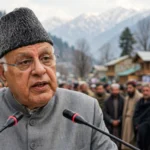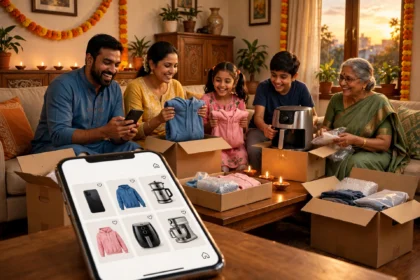
New Delhi, 25 October: As Diwali shopping picks up pace across India, Prime Minister Narendra Modi on Sunday gave festive buyers a simple suggestion in his monthly radio address Mann Ki Baat: before you pick up something imported or mass produced, take one look at what a local artisan has made.
The appeal, made in the 139th episode of the programme, was not framed as charity. Modi presented it as a practical choice, one that keeps money in the neighbourhood, keeps a craft alive, and often brings home something no factory line can copy.
“This time too, while shopping, please give priority to products made by local artisans. Your purchases will boost their enthusiasm,” he said, adding that the more Vocal for Local grows, the faster the vision of a self-reliant India will be realised.
Why this Diwali pitch matters for artisans
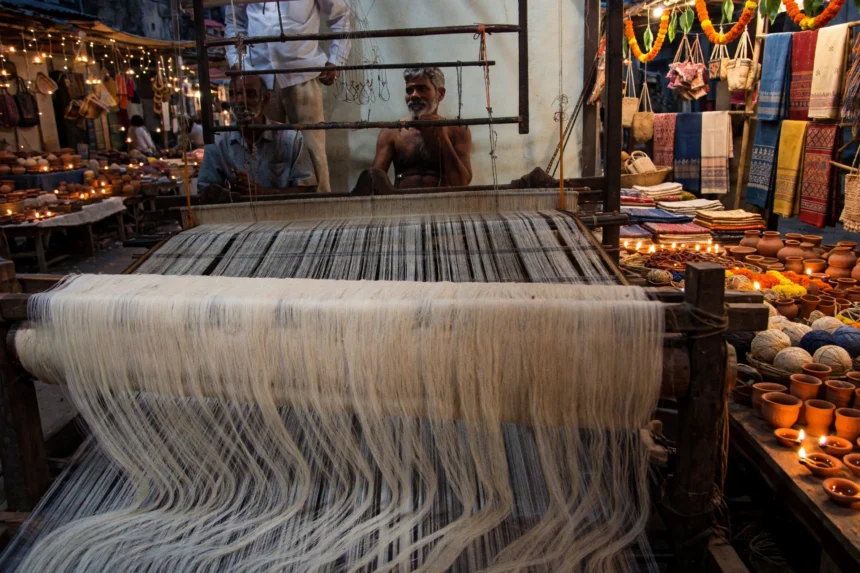
Festive season is the make or break window for thousands of small workshops. Weavers, potters, metal workers, bamboo craftspeople and food makers wait all year for these few weeks, when families buy gifts, decorate homes and stock up for guests.
A single bulk order, or even steady footfall at a local haat, can decide whether a weaver takes on an apprentice next year or lets a loom fall silent. That is why Modi linked the shopping choice directly to livelihoods, not just sentiment.
He also pointed to packaging, a detail shoppers often overlook. Good packaging, he said, is often what makes a buyer pick up a product in the first place and want to learn more about it. For small producers, a clean label, a sturdy box and a clear story can be the difference between a one time sale and a repeat customer.
From Bihar makhana to Karnataka dal: local goes global
The most striking part of Sunday’s address was how far Indian local products have already travelled. Modi cited makhana from Purnia in Bihar reaching Greece, and arhar dal from Kalaburagi in Karnataka being exported to the Maldives.
These are not luxury exports. They are everyday farm products, grown by small farmers, that found buyers abroad because someone invested in quality, grading and packaging. For shoppers at home, the message is clear: the same products deserve a first look in Indian markets too.
Maharashtra’s Shabari Naturals initiative got a special mention. It sells honey, mahua, chironji and bamboo based goods in packaging inspired by tribal art, packaging that has received Japan’s Good Design Award. A Karnataka start-up working on packaging made from bamboo and farm residue was also highlighted, showing how sustainability and design are now part of the local story.
Khadi sales tell their own story
Modi shared a number that will cheer Khadi supporters. Sales of Khadi Gram Udyog products crossed Rs 28 crore on Gandhi Jayanti this year, up by Rs 1.5 crore over the previous year.
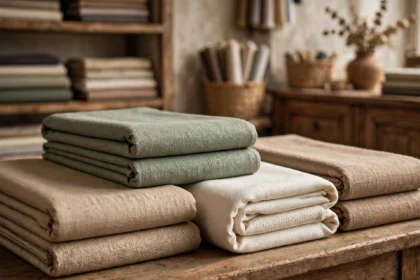
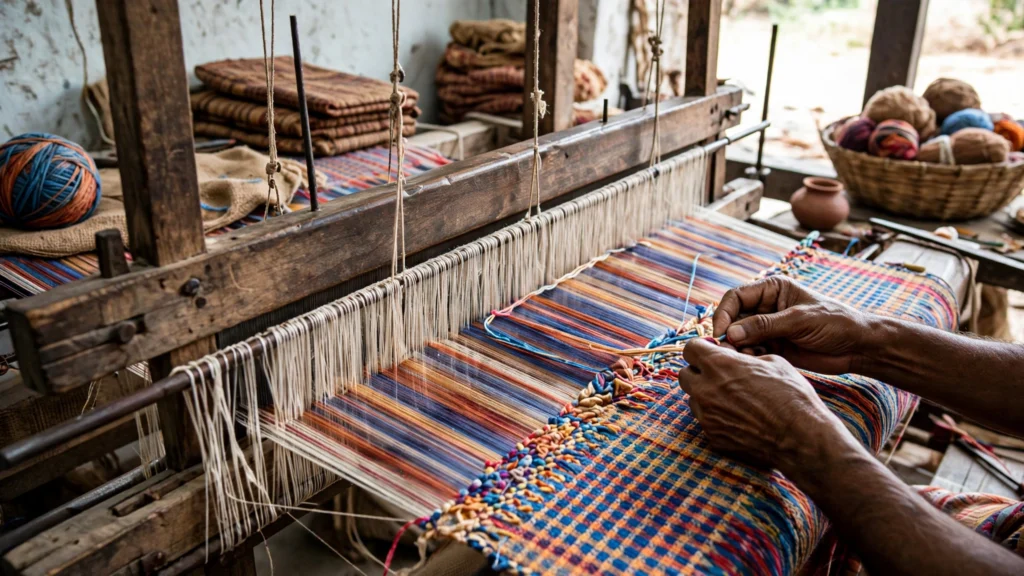
Khadi has long been more than cloth. It is a rural employment engine, spinning and weaving work spread across villages, and every metre sold supports spinners, weavers and dyers. The Gandhi Jayanti figure suggests buyers are returning to Khadi not only for its history, but for its everyday wearability.
In Punjab’s Malwa region, the Kheti Virasat Mission’s Nav-Trinjan initiative is taking that idea further. It promotes chemical free organic cotton, including naturally coloured varieties, and runs a weaving school that has trained women, many of them former farm labourers and domestic workers, to make shawls, towels and other textiles.
How to shop Vocal for Local this Diwali
Shoppers who want to act on Sunday’s appeal do not need a grand plan. A few small switches can make a real difference:
- Start with one gift category, such as home decor, snacks or textiles, and buy it from a local maker or Khadi store first.
- Ask the seller about the maker. A weaver’s village, a potter’s kiln or a self help group’s name often tells you more than a brand label.
- Check the packaging and ingredients for food gifts. Local honey, pickles, millet snacks and dry fruits often travel shorter distances and stay fresher.
- For bulk office or family gifting, place orders early so small workshops can plan material and labour, instead of rushing them at the last minute.
- Share the find. A photo, a shop address or a simple recommendation can bring the next ten customers to the same artisan.
Beyond shopping: health, millets and unity
Sunday’s address went beyond the market. Modi noted that nearly 50 crore teleconsultations have been held through the e-Sanjeevani platform, and highlighted the role of nearly 1.9 lakh Ayushman Arogya Mandirs in taking healthcare closer to villages.
He also urged people to add millets to their diet, pointed to millet based cookies, cakes and baby food being made in Meghalaya and Nagaland, and invited citizens to join the Run for Unity on 31 October, Sardar Vallabhbhai Patel’s birth anniversary.
Closing with greetings for Diwali and Chhath Puja, he asked families to celebrate safely, stay healthy, and include others in their joy. In that spirit, a Diwali gift bought from a local artisan is not just a present. It is a small share in someone else’s festival too.
FAQs
What did PM Modi say about Vocal for Local on 25 October?
In Mann Ki Baat, he urged shoppers to give priority to products made by local artisans during festive shopping, saying it would boost Vocal for Local and a self-reliant India.
Which local products did he cite as reaching global markets?
Makhana from Purnia in Bihar reaching Greece, and arhar dal from Kalaburagi in Karnataka being exported to the Maldives.
How much did Khadi sales reach on Gandhi Jayanti?
Khadi Gram Udyog product sales exceeded Rs 28 crore, up Rs 1.5 crore from the previous year, according to the address.
What is Shabari Naturals?
A Maharashtra initiative selling honey, mahua, chironji and bamboo goods in tribal art inspired packaging that has won Japan’s Good Design Award.
How can I shop Vocal for Local this Diwali?
Buy at least one gift category from a local maker, Khadi store or artisan market, order early for bulk gifts, and recommend the maker to others.
Happy Diwali shopping, and if you can, make at least one of your gifts a local one this year.