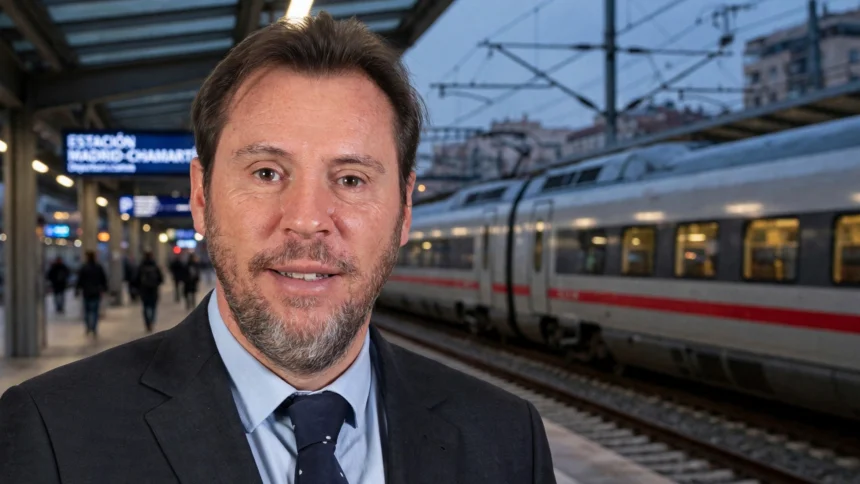
Spain’s Transport Minister Oscar Puente resigned on Tuesday, six days after a high-speed train crash near Urda killed 69 people and shook confidence in one of Europe’s busiest rail networks. Announced at the end of a tense four-hour hearing, it also ended his candidacy for the snap election on November 29, leaving Prime Minister Pedro Sanchez without one of his most combative ministers weeks before voters go to the polls.
Puente had repeatedly ruled out resigning since the October 28 collision. On Tuesday night, he changed course, telling lawmakers he had made up his mind within minutes of learning about the tragedy, but had waited until the emergency response was under way and the first aid and safety measures were in place.
“A transport minister in a country like Spain cannot remain in office after two accidents of such seriousness in less than a year, however different they may be, whether or not I bear direct responsibility,” he told lawmakers, according to Reuters. “I have tried to live up to it. Farewell.”
What happened at Urda
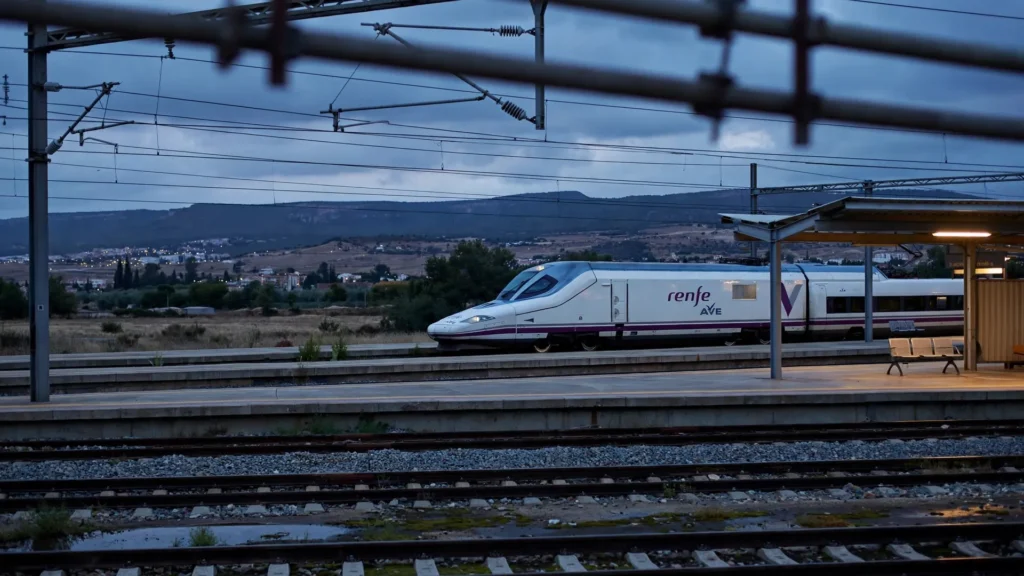
The crash happened on Wednesday, October 28, outside the village of Urda, around 130 kilometres south of Madrid, on the Madrid-Seville high-speed line. A train operated by state-owned Renfe ploughed into the back of a stationary train belonging to private operator Iryo. Around 200 people were also injured.
Early accounts point to a failure of the automatic safety system. Several trains were stopped after a signalling failure, and the Madrid control centre then took over. Puente told lawmakers that the centre run by Adif, Spain’s state-owned rail infrastructure manager, had authorised the Renfe service to resume even though its LZB safety system had failed, halting all trains on a 63-kilometre stretch before the collision.
Urda was the second deadly accident on the same line this year. In January, a derailment near Adamuz killed 46 people. Together, the crashes have killed 115 people, turning rail safety into a national political question.
Why Puente stepped down now
Puente, 57, a lawyer and former mayor of Valladolid, became transport minister in November 2023. He had pledged to restore confidence in Spain’s high-speed network, the second largest in the world. Instead, he leaves after two disasters in less than a year, both involving the same companies on the same line.
He announced his resignation hours after laying out emergency aid for victims and new safety measures, including reduced services on the Madrid-Seville line until the Railway Safety Agency reviews its safety system and the delayed European Rail Traffic Management System, known as ERTMS, is rolled out. He also said stepping down was good for the country and for democracy. His resignation becomes effective once published in the official state gazette, though the exact timeline remains unclear.
- 69 people killed in the Urda crash on October 28, with around 200 injured.
- 46 people killed in the Adamuz derailment in January, bringing the combined toll to 115.
- November 29 is the date of Spain’s snap general election, which Puente will no longer contest.
- Reduced services on the Madrid-Seville line until a safety review and the ERTMS rollout are complete.
What it means for Sanchez and the election
For Sanchez, the resignation removes a key ally from the campaign trail at a difficult moment. Puente was one of the government’s most outspoken defenders, and his departure comes less than four weeks before an early election Sanchez himself called. Opposition parties had demanded that he face responsibility for the two disasters, and Tuesday’s hearing reflected that pressure.
The crashes have raised broader questions about investment, maintenance, and oversight on a network Spain presents with pride. The Adif works council has agreed to push for a strike on November 17 to demand better rail safety, although it has not yet been formally called. For victims’ families, the resignation is unlikely to feel like closure: investigations continue, and questions about who authorised what remain open. What has changed is accountability at the top.
What happens next
Spain now faces a safety review of the Madrid-Seville line, a political contest shaped in part by the crashes, and a long process of compensation for victims and their families. The test will be whether services return with stronger safeguards, not simply restored timetables. The next transport minister will inherit a public demand for answers about how two trains could collide on one of Europe’s most modern rail lines, twice in one year.
FAQs
Why did Oscar Puente resign?
He resigned after the Urda train crash killed 69 people, saying a transport minister cannot stay in office after two serious accidents in less than a year, even without direct personal responsibility.
When did the Urda crash happen?
On October 28, 2026, near Urda, south of Madrid, when a Renfe train hit a stationary Iryo train.
How many people died in Spain’s two rail crashes this year?
69 people died at Urda and 46 died in the Adamuz derailment in January, a combined toll of 115.
Will Puente contest the November 29 election?
No. He withdrew his candidacy for the snap general election on November 29 at the same time as he announced his resignation.
What safety steps has Spain announced?
Reduced services on the Madrid-Seville line until the Railway Safety Agency reviews the line’s safety system and the delayed ERTMS rollout is completed.
Informeia will follow the investigation and safety review as details emerge.