
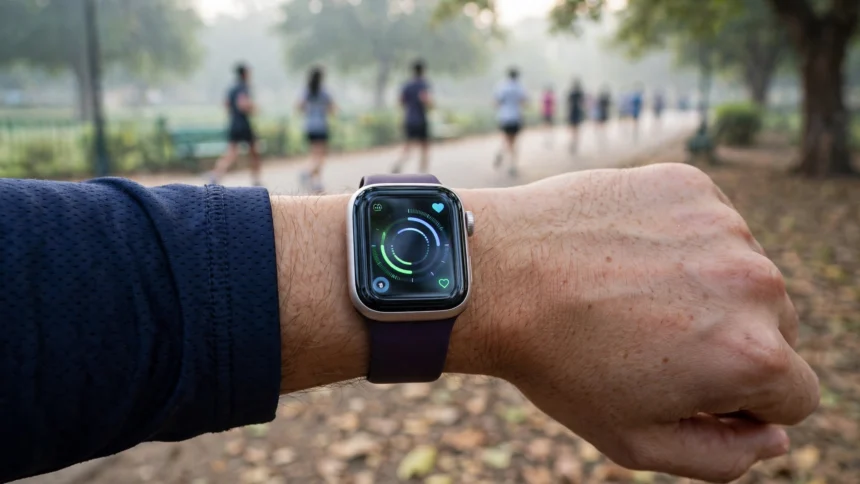
Indian consumers are no longer treating health as an afterthought. A new PwC India report released on Tuesday says 97 per cent of Indian consumers now prioritise long-term wellbeing, and their daily habits show it, from tracking protein on their phones to wearing fitness bands that count every step.
The findings come from PwC’s Voice of the Consumer 2026: India perspective, presented on 17 November 2026. The survey covered 21,808 consumers across 27 markets, including more than 1,000 respondents from 29 Indian cities. The message from India is clear: people want proof that what they eat, wear and buy is actually good for them.
The numbers that stand out
Indians are tracking their nutrition far more closely than the global average. More than half of Indian consumers, 53 per cent, regularly track their protein intake, compared with just 35 per cent globally. Half track fibre and 49 per cent track calories, against 33 per cent globally for each.
- 90 per cent of Indian respondents use health apps or wearables, compared with around 80 per cent globally.
- 81 per cent would pay more for wearable data that healthcare professionals trust, against 65 per cent globally.
- 71 per cent are very or extremely concerned about pesticides in food, and 67 per cent about microplastics.
- 42 per cent exercise daily, more than twice the global average.
Technology is now part of the routine. Nine in ten Indians surveyed use a health app or a wearable device, and most say they are willing to spend extra when the data behind a product carries a doctor’s credibility.
Food choices are changing
The shift shows up clearly on the plate. About 44 per cent of Indian consumers expect to significantly increase their fresh produce consumption, while 24 per cent expect to buy more dairy and 19 per cent more plant-based protein.
Longevity-focused foods, including high-protein and gut-health products, are the leading category among qualified buyers in India at 22 per cent, compared with 17 per cent globally. Food safety and trust now shape everyday choices as much as taste or price, with shoppers looking for clean labels and clear health benefits.

Exercise daily, but stress gets in the way
Indians are also moving more. At 42 per cent, the share who exercise daily is more than double the global average. But among respondents with health and wellness goals, 67 per cent named stress, fatigue or low energy as the main hurdle.
Longevity, stress reduction and better sleep are now the three priorities shaping choices across food, fitness, personal care and technology, according to the report. Indians are not just buying healthier products. They are trying to build routines that last.
Why it matters
This is a change in who holds the power in India’s health market. A year ago, PwC’s 2025 survey found 84 per cent of Indians simply wanted safer, healthier food choices. The 2026 numbers show that wish turning into measurable behaviour: people now track nutrients, log workouts and check wearable data before they spend.
That matters for readers in three practical ways. First, brands will have to compete on verified claims, because shoppers now check the label and the data behind it. Second, wearables and health apps will face tougher questions about accuracy, since four out of five Indians will only pay a premium for data a healthcare professional trusts. Third, tracking alone is not wellness: a step counter cannot fix poor sleep or chronic stress, and that is where most Indians are still stuck.
What the survey covered
PwC’s Voice of the Consumer 2026 is a global research initiative. The fieldwork ran in February and March 2026, supplemented by interviews with industry leaders. The India chapter reflects responses from more than 1,000 demographically diverse consumers across major metros and tier-2 and tier-3 urban hubs. PwC cautions that the findings should not be treated as representative of all Indian consumers, but the direction of travel is consistent across the survey’s Indian sample.
FAQs
What is PwC’s Voice of the Consumer 2026 report?
It is PwC’s annual global survey of consumer behaviour. The India perspective, released on 17 November 2026, looks at how Indian consumers connect food, wellness and health, based on responses from more than 1,000 people across 29 cities.
How many Indians track their protein intake?
About 53 per cent regularly track protein, against 35 per cent globally. Half track fibre and 49 per cent track calories, both well above the global figure of 33 per cent.
Do Indians use health apps and wearables more than the global average?
Yes. Around 90 per cent of Indian respondents use health apps or wearables, against about 80 per cent globally. And 81 per cent say they would pay more for wearable data trusted by healthcare professionals.
What foods do Indians plan to buy more of?
About 44 per cent expect to significantly increase fresh produce consumption, 24 per cent dairy and 19 per cent plant-based protein. Longevity-focused foods such as high-protein and gut-health products lead the list.
What is stopping Indians from reaching their wellness goals?
Stress, fatigue and low energy. Among respondents with health and wellness goals, 67 per cent named these as their biggest hurdles, even though 42 per cent exercise daily.
India’s wellness story is now about daily tracking, trusted data and food choices made with a label in hand, and the PwC report suggests that shift is here to stay.