Shigella is back in Kerala, and the numbers this week are worrying. Health officials confirmed 23 fresh infections in the first six days of November alone, with 13 of them reported on Friday. So far this year, 583 people across the state have tested positive for the bacterial infection, 116 more are suspected cases, and eight people have died.
The latest flare-up is concentrated in north Kerala. Of the 23 cases reported in November, seven are from Malappuram, six from Kozhikode and three from Palakkad. Health teams in both Malappuram and Kozhikode are now on high alert, with inspections, sanitation drives and awareness campaigns running in the affected pockets.
Malappuram: wedding feast at the centre of the cluster
Malappuram has reported eight confirmed cases so far. Five of them are linked to a wedding feast held on October 31 at Elamkulam panchayat near Perinthalmanna. Around 80 people who attended the function have since reported symptoms of diarrhoea, and nearly 100 people in the area are under surveillance.
Local authorities and the Family Health Centre in Elamkulam have launched containment measures that include chlorination of water sources and a proposed ban on community feasts until the situation is under control. The Food Safety department has collected samples of the food and drinking water served at the wedding and sent them for testing. Stool samples of those affected are being examined at the laboratory of the Government Medical College, Manjeri.
Three more cases in the district were reported from Nilambur, where people fell ill after eating food from local eateries. A four-year-old girl who ate snacks from a shop in Amarambalam tested positive, along with two people who had eaten mandi from a shop in Palunda.
Kozhikode: schoolchildren fall ill after mid-day meal
In Kozhikode, the infection has hit schoolchildren. Three students of Meppayil Senior Basic School, aged seven, eight and ten, tested positive for shigellosis after falling ill following the mid-day meal served at the school on October 30. The children were admitted to hospital with vomiting, fever and diarrhoea. One child has already recovered.
The wider picture in the area is bigger than the three confirmed cases. More than 100 people in the locality have reported vomiting, fever and diarrhoea since last Friday, many of them after eating egg curry and curd during a school lunch. Health workers have visited 950 homes in the area to distribute oral rehydration salts (ORS) and spread awareness.
Kozhikode District Medical Officer Dr L T Sarithakumari told reporters that the condition of the affected children is not critical, but officials are keeping a close watch as fresh cases of diarrhoeal illness continue to be reported.
A familiar infection, a worse year
Shigella is not new to Kerala. The disease was first reported in the state in 2025, when 132 people were infected and no deaths were recorded. This year has been far worse, with 583 confirmed cases and eight deaths already, and two months of the year still to go.
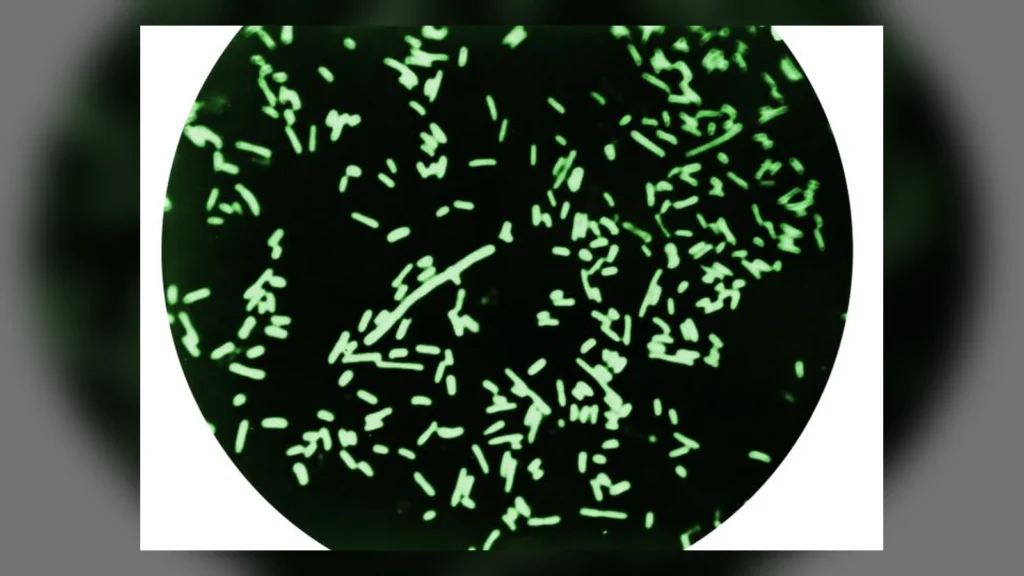
The infection is caused by Shigella bacteria and spreads through contaminated food and water, and through close contact with an infected person. It is common in places where sanitation is poor or where food is prepared and stored in unhygienic conditions. Health officials have pointed to both wedding feasts and eateries in the latest clusters, which is why food safety inspections have been stepped up alongside water chlorination.
What to watch out for
The symptoms usually appear within a day or two of infection. Here is what health officials say to look for:
- Diarrhoea, often with blood or mucus, along with stomach cramps and pain.
- Vomiting and fever, which can leave patients weak and dehydrated.
- Severe dehydration, the most dangerous complication, especially in children and older people. In rare, severe cases, the infection can trigger neurological complications.
Doctors say most patients recover with timely treatment, fluids and rest, but anyone with bloody diarrhoea, high fever or signs of dehydration should reach a hospital quickly rather than waiting it out at home.
How to stay safe
With cases still being reported, the Health Department has issued a set of simple precautions for people in the affected districts and across the state:
- Wash hands thoroughly with soap before eating and after using the toilet.
- Drink boiled or chlorinated water, and avoid water from doubtful sources.
- Avoid eating from roadside stalls and eateries that look unhygienic, especially during an outbreak.
- Keep cooked food covered, eat it fresh, and avoid storing it for long.
- Keep oral rehydration salts at home and use them at the first sign of loose motions.
Health workers are continuing door-to-door checks in Malappuram and Kozhikode, and the department has said preventive measures will stay in place until fresh cases stop appearing. For now, the message from officials is simple: take stomach upsets seriously, keep water safe, and do not ignore the early signs.
FAQs
What is Shigella infection?
It is a bacterial infection of the gut caused by Shigella bacteria. It spreads through contaminated food and water and causes diarrhoea, stomach pain, vomiting and fever.
How many Shigella cases has Kerala reported in 2026?
583 confirmed cases so far this year, with 116 suspected cases and eight deaths. 23 of those cases came in the first six days of November.
Which districts are worst affected?
Malappuram and Kozhikode are the worst hit, with seven and six cases respectively in November. Palakkad has reported three cases.
Is Shigella dangerous?
Most people recover with treatment and fluids, but dehydration can become life-threatening, especially in children and older people. Severe infections can, in rare cases, cause neurological complications.
How can I protect my family?
Wash hands with soap, drink boiled or chlorinated water, avoid food from unhygienic eateries during the outbreak, and seek medical care early if anyone develops bloody diarrhoea or signs of dehydration.
Kerala’s health teams will be watching the daily case count closely in the coming days. The next few days will show whether the containment measures in Malappuram and Kozhikode are enough to break the chain, or whether the outbreak spreads wider.